Editorially Reviewed: Korea Medical Tourism Desk | Patient Focus: International Medical Travelers
What Is Apgujeong Dermatology and Why Do Patients Choose It?
Apgujeong dermatology refers to the network of board-certified dermatology clinics concentrated in Seoul’s Apgujeong district, a premier medical corridor within the broader Gangnam area widely recognized as Korea’s aesthetic medicine capital. Clinics here specialize in treatments ranging from laser skin rejuvenation and anti-aging injectables to medical-grade acne management and skin brightening protocols. Most international patients report that Apgujeong clinics offer more advanced technology, more experienced practitioners, and more competitive pricing than equivalent providers in their home countries. Typical procedure costs range from approximately 150,000 to 3,000,000 KRW (roughly USD 110 to 2,250) depending on treatment type and session count. English consultation services are widely available, and same-day appointments are common for many non-surgical procedures. According to data from Korea’s Health Industry Development Institute, South Korea attracts hundreds of thousands of medical tourists annually, with dermatology and aesthetic treatments among the top requested services.
International patients arriving in Seoul often report being surprised by the density and sophistication of Apgujeong’s medical district. Within a few city blocks, travelers can access clinics offering Profhilo skin hydration therapy, Sculptra volumizing injections, Rejuran healing polynucleotide treatments, and high-tech laser platforms not yet widely available elsewhere. The district has cultivated a reputation for combining clinical rigor with patient-focused service, making it a preferred destination for those seeking both corrective skin treatments and preventive aesthetic care.
Clinical Perspective: A board-certified dermatologist practicing in Apgujeong notes: “Many of our international patients are surprised that a full consultation, skin analysis, and first treatment session can often be completed in a single visit. We structure our approach to respect the time constraints of medical travelers while maintaining thorough clinical standards.”
What Patients Experience at Apgujeong Dermatology Clinics
Initial Consultation and Skin Assessment
Most Apgujeong dermatology clinics begin with a structured consultation that includes a digital skin analysis, review of the patient’s skin history, and a customized treatment plan. Patients with concerns about language barriers can request an English-speaking coordinator, and many top clinics have multilingual staff as a standard offering. Consultations typically last 20 to 40 minutes and are either complimentary or priced between 30,000 and 80,000 KRW (USD 22 to 60), often credited toward the first procedure. For patients interested in comparing options across multiple providers, our comprehensive guide to Seoul dermatology clinics provides a structured overview of what to look for during consultations.
Common Treatment Categories and Pricing
Apgujeong dermatology clinics cover an extensive range of treatments. Laser resurfacing and pigmentation correction procedures typically range from 150,000 to 600,000 KRW (USD 110 to 450) per session. Anti-aging injectables such as Botox cost approximately 100,000 to 300,000 KRW (USD 75 to 225) depending on treatment area. Skin booster injections, including popular options like Rejuran polynucleotide therapy for deep skin healing and collagen stimulation, range from 300,000 to 800,000 KRW (USD 225 to 600) per session. Patients interested in structural volumizing may explore Sculptra treatment in Korea, which stimulates natural collagen over several months and typically costs 800,000 to 1,800,000 KRW (USD 600 to 1,350) per vial. Procedures are generally performed with topical numbing cream, keeping discomfort minimal, and most non-invasive treatments require zero downtime.
Advanced Technology and Signature Treatments
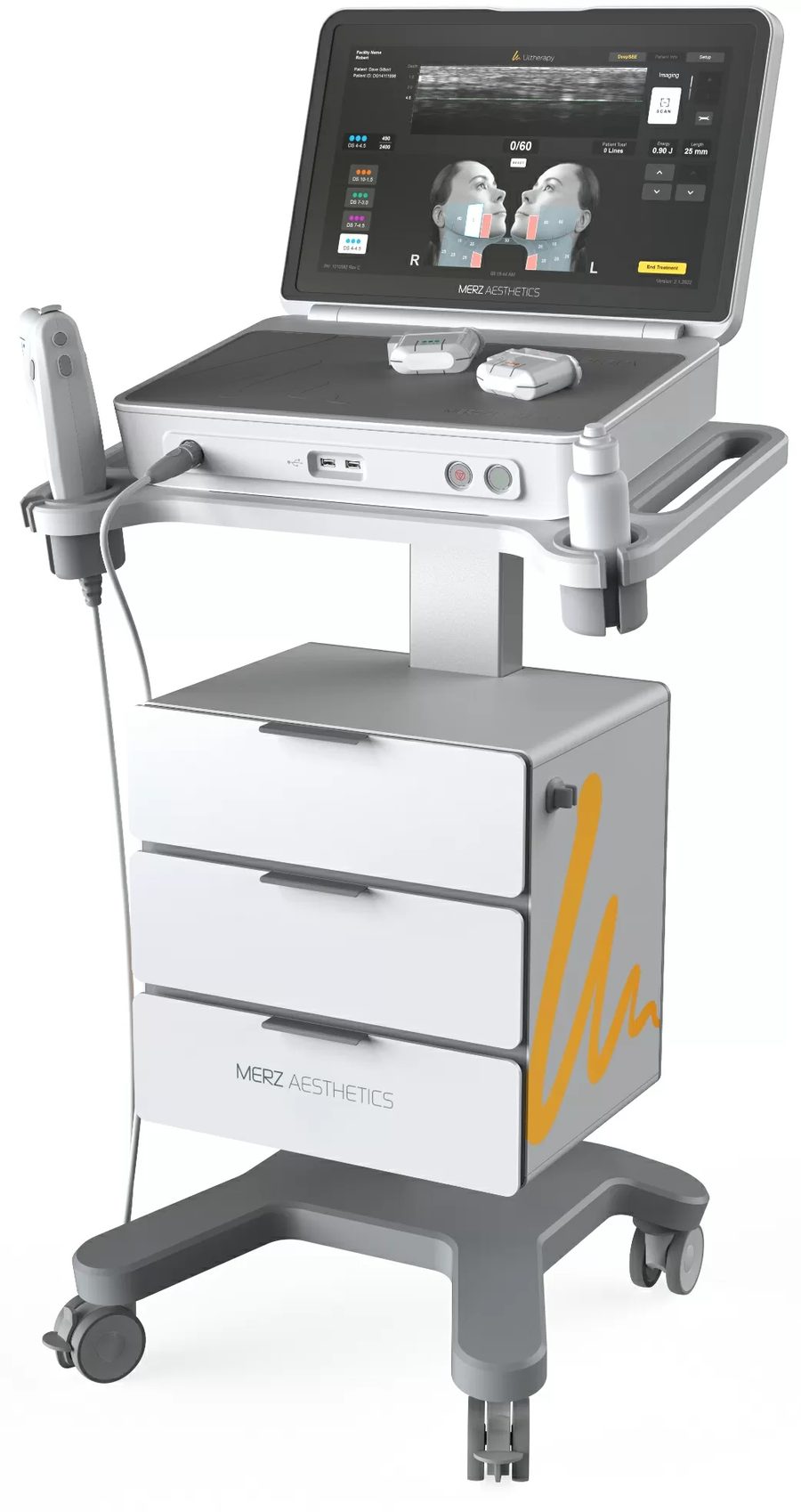
Apgujeong clinics are distinguished by their early adoption of globally validated technologies. Radiofrequency skin tightening platforms, including options reviewed at Thermage Korea, are popular for non-surgical facial lifting and cost between 800,000 and 2,500,000 KRW (USD 600 to 1,900). Ultrasound-based lifting treatments such as those covered in detail at Ultherapy Korea are similarly offered at leading Apgujeong clinics. The American Academy of Dermatology recognizes energy-based devices as clinically validated options for skin laxity and rejuvenation, and Korean practitioners in this district typically hold certifications from international aesthetic medicine bodies. For a deeper look at how Korean practitioners approach non-invasive procedures, the American Academy of Dermatology provides evidence-based clinical guidelines that complement what you’ll encounter in consultations. Additionally, Korea Health Industry Development Institute publishes verified data on Korean medical tourism standards that help international patients benchmark clinic quality.
Your Apgujeong Dermatology Journey in Korea
Planning Your Visit
Most international patients plan a stay of three to seven days in Seoul to complete multi-step treatment protocols or allow for brief recovery periods after more intensive procedures. Apgujeong is easily accessible from major Seoul hotels and Incheon International Airport via subway and taxi. Clinics in this district are typically open six days per week, and same-day booking is often possible for standard procedures. Patients researching broader options across the Gangnam corridor can also consult resources like Gangnam dermatology clinic reviews to compare treatment availability and pricing across the district.
What to Bring and How to Prepare
Patients should arrive at their consultation with any current skincare products, prescription medications, and a list of known skin sensitivities or allergies. Sun protection is essential post-treatment, and most clinics provide SPF products for immediate use. Avoid alcohol and blood-thinning supplements for 48 to 72 hours before injectable procedures. Patients are advised to schedule more intensive treatments, such as fractional laser resurfacing, at the start of their trip to allow adequate recovery time before flying home.
What International Patients Should Know
Navigating the logistics of medical tourism in Korea is straightforward once a few key points are understood. Korea does not require a special medical visa for short-term dermatology visits covered under standard tourist entry. English-language support is widely available, especially in Apgujeong, and most clinics can provide treatment summaries and aftercare instructions in English. Payment is accepted in Korean Won, and many clinics accept international credit cards, though confirming this in advance is recommended. Patients seeking radiofrequency microneedling with Morpheus8 technology can find extensive reviews at Morpheus8 Korea for context on what current protocols look like before booking. Patients comparing costs across multiple treatment modalities can use resources like Korea cosmetic procedure cost guides as a general reference for pricing benchmarks in the Korean market.
Aftercare and Follow-Up
Aftercare protocols vary by treatment but generally include daily SPF application, gentle cleansing, and avoidance of saunas or pools for five to seven days post-procedure. Many Apgujeong clinics offer follow-up video consultations for international patients who have returned home, making ongoing care practical. Patients undergoing a multi-session treatment plan may schedule their second visit within two to four months depending on the protocol.
Frequently Asked Questions
How much does apgujeong dermatology treatment cost in Korea?
Costs vary widely by procedure. Basic laser treatments start around 150,000 KRW (USD 110), while advanced anti-aging procedures such as radiofrequency lifting can reach 2,500,000 KRW (USD 1,900) or more. Most clinics offer bundled packages for multi-session treatments at a reduced per-session rate.
Can foreigners visit apgujeong dermatology clinics in Korea?
Yes, foreigners are welcome and actively accommodated at most Apgujeong clinics. Many clinics have multilingual coordinators, and English-language consultations are standard at top-tier providers in the district.
Are there English-speaking dermatologists in Apgujeong?
English-speaking staff are widely available across Apgujeong’s medical district. Several clinics also employ Korean-American or internationally trained physicians who conduct consultations entirely in English.
How many sessions are typically needed for skin treatments in Apgujeong?
Session count depends on the treatment. Skin booster injections such as Rejuran typically require three sessions spaced four weeks apart. Laser pigmentation treatments may require two to four sessions. Single-session procedures include Thermage and Ultherapy for skin tightening. See also thermage korea age recommendation: complete guide information.
What are the risks or side effects of dermatology treatments in Korea?
Common side effects include temporary redness, mild swelling, and skin sensitivity lasting one to three days after most non-invasive procedures. More intensive laser treatments may cause peeling for five to seven days. Serious complications are rare when procedures are performed by board-certified dermatologists. Related guide: the clinic.
Does health insurance cover apgujeong dermatology procedures?
Aesthetic and cosmetic dermatology procedures are not covered by Korean national health insurance or most international travel policies. Patients should budget for out-of-pocket costs. Some clinics offer installment payment or package discounts for multi-procedure visits.
How do I book a dermatology appointment in Apgujeong?
Many Apgujeong clinics accept appointment requests via email, WhatsApp, or online inquiry forms. Booking two to four weeks in advance is recommended for peak travel periods, though same-day walk-in consultations are often possible.
Do I need a medical visa for a dermatology visit to Korea?
Most international visitors do not require a special medical visa for short-term cosmetic dermatology treatments. Standard tourist entry applies for most nationalities. Longer stays or surgical procedures may warrant checking with the Korean consulate in your home country. see here.
Is apgujeong dermatology better than clinics in my home country?
Korea’s dermatology clinics are generally considered among the most advanced globally, offering technologies and protocols not yet widely available elsewhere. Pricing in Korea is often significantly lower than comparable treatments in the US, UK, or Australia, making Apgujeong an attractive option for medical travelers.
What is the best district in Seoul for dermatology?
Apgujeong, Cheongdam, and the broader Gangnam area are collectively recognized as Seoul’s premier medical corridor for dermatology and aesthetic medicine. Apgujeong is particularly noted for its concentration of premium clinics serving an international clientele.
How long should I stay in Korea for dermatology treatment?
A stay of three to five days is sufficient for most single-procedure visits, including consultation, treatment, and initial recovery. Patients pursuing multi-step protocols or combination treatments are advised to plan seven to ten days to allow flexibility.
What aftercare is needed after dermatology treatments in Apgujeong?
Standard aftercare includes high-SPF sunscreen applied daily, avoiding direct sun exposure, refraining from saunas and intense exercise for three to five days, and using gentle, fragrance-free skincare products. Clinics typically provide a written aftercare protocol in English. skin treatment korea: complete guide guide.
How long do results from apgujeong dermatology treatments last?
Results vary by treatment. Skin booster effects typically last six to twelve months. Radiofrequency lifting results can persist for twelve to eighteen months with good skincare maintenance. Pigmentation correction from laser treatments is long-lasting but requires consistent sun protection to maintain. See also ice pick scar treatment korea: best clinics & costs details.
Related Articles
- English Speaking Dermatologist Gangnam Guide
- Best Dermatology Clinic Gangnam: Complete Guide
- Dermatologist Gangnam: Complete Guide for Patients