Board Certified Dermatologist Seoul: Complete Guide

Editorially Reviewed: Korea Medical Tourism Desk  |  Patient Focus: International Medical Travelers

What Is a Board Certified Dermatologist in Seoul?

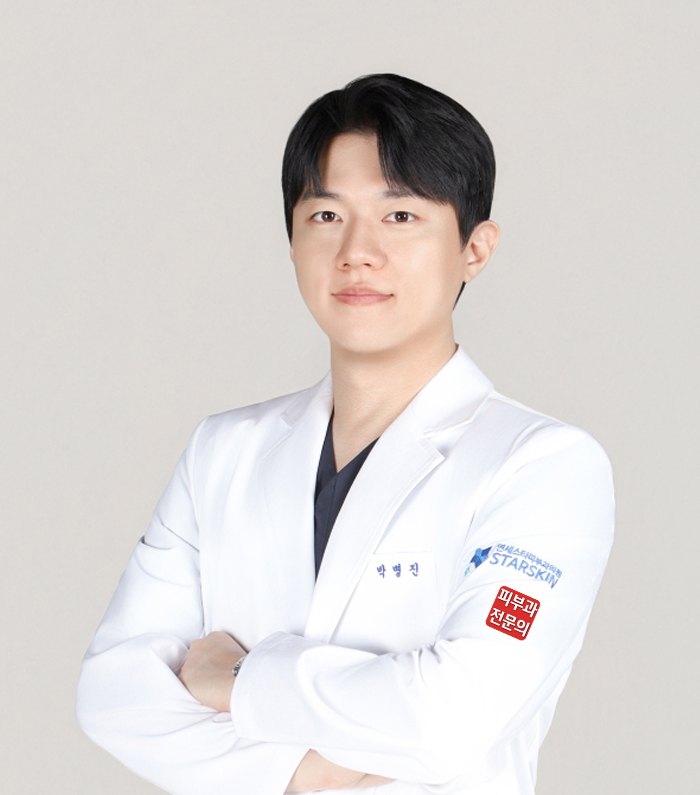
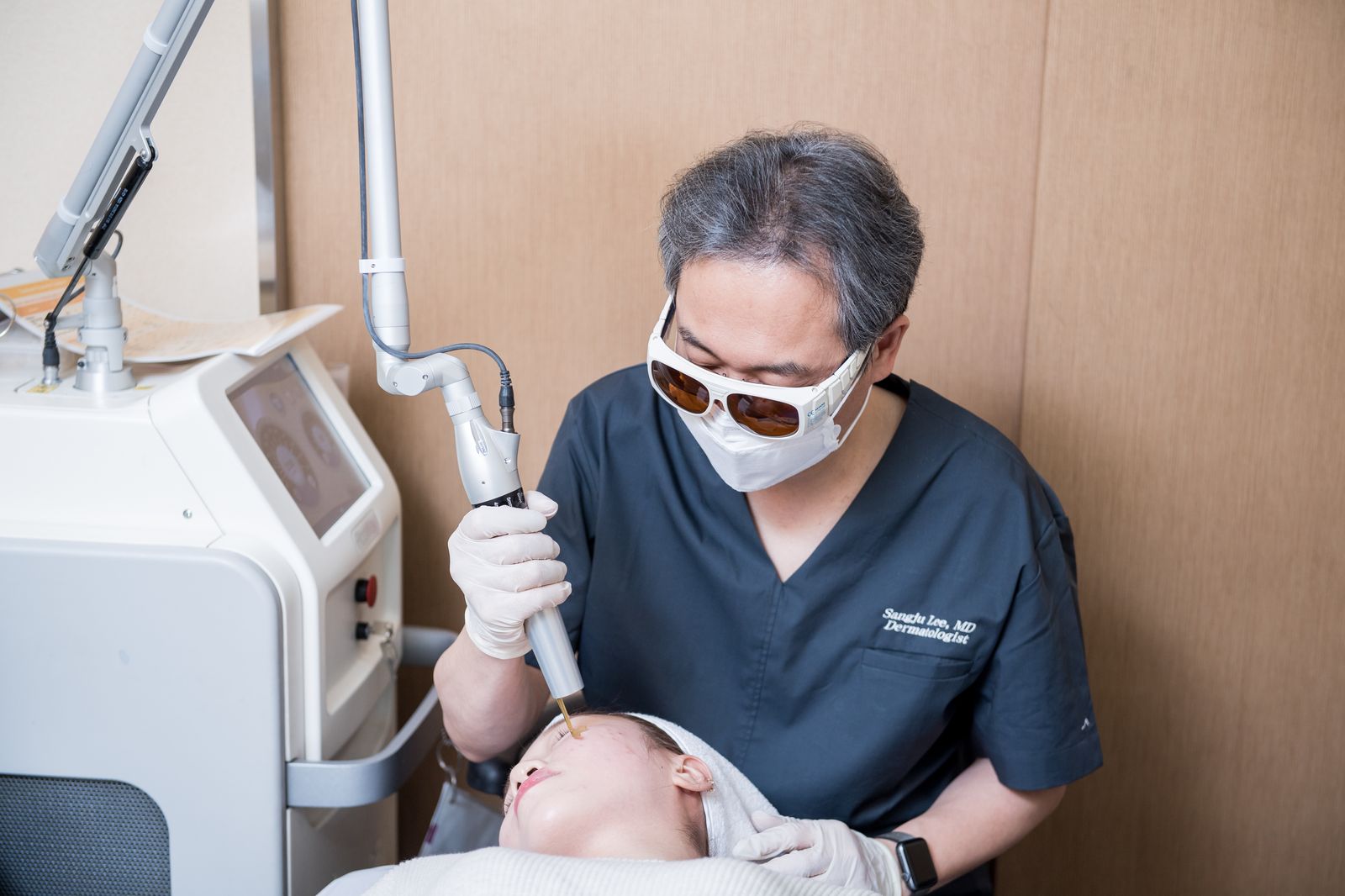
A board certified dermatologist in Seoul is a licensed Korean physician who has completed medical school, a dermatology residency, and passed the national specialist certification exam administered by the Korean Dermatological Society. Seoul hosts over 1,200 registered dermatology clinics, with the highest concentration in the Gangnam, Apgujeong, Cheongdam, and Sinchon districts. These specialists treat a broad spectrum of conditions ranging from acne and pigmentation to psoriasis, eczema, and skin cancer, while many also offer advanced aesthetic procedures including laser resurfacing, injectables, and skin rejuvenation. Consultation fees typically range from 30,000 to 80,000 KRW (USD 22–60), while procedure costs vary widely from 100,000 KRW for basic treatments to over 1,500,000 KRW (USD 75–1,130) for complex laser sessions. International patients can generally expect English-language consultations at clinics in Gangnam that actively serve foreign clientele, with appointments often available within one to three business days. Korea’s dermatology sector is recognized globally for its clinical excellence and technology adoption rate, making Seoul a preferred destination for medical tourists seeking board-certified skin care.

International patients arriving in Seoul often report being impressed by the high concentration of specialist clinics, the availability of advanced devices not yet widespread in their home countries, and the relatively transparent pricing structures offered during initial consultations. Korea’s dermatological standards are governed by the Korean Ministry of Health and Welfare, which mandates ongoing continuing education and credential verification for all practicing specialists. Whether you are seeking treatment for a chronic skin condition or an elective aesthetic procedure, understanding how the certification system works will help you make a more confident and safe decision.

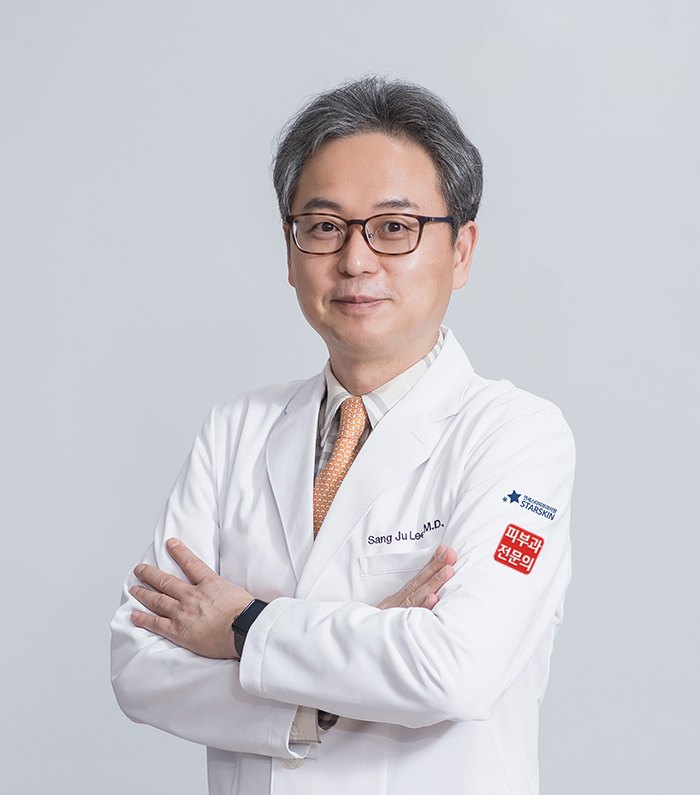
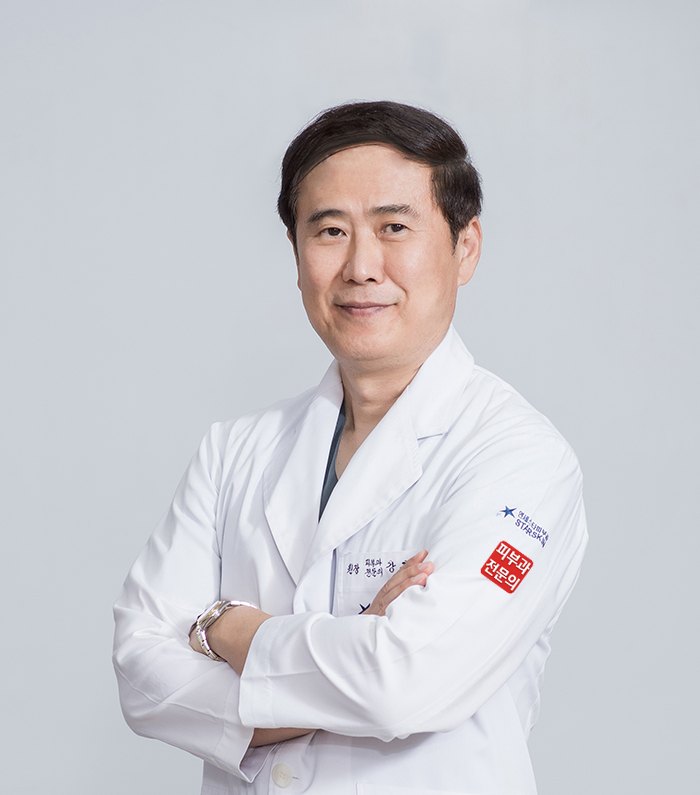
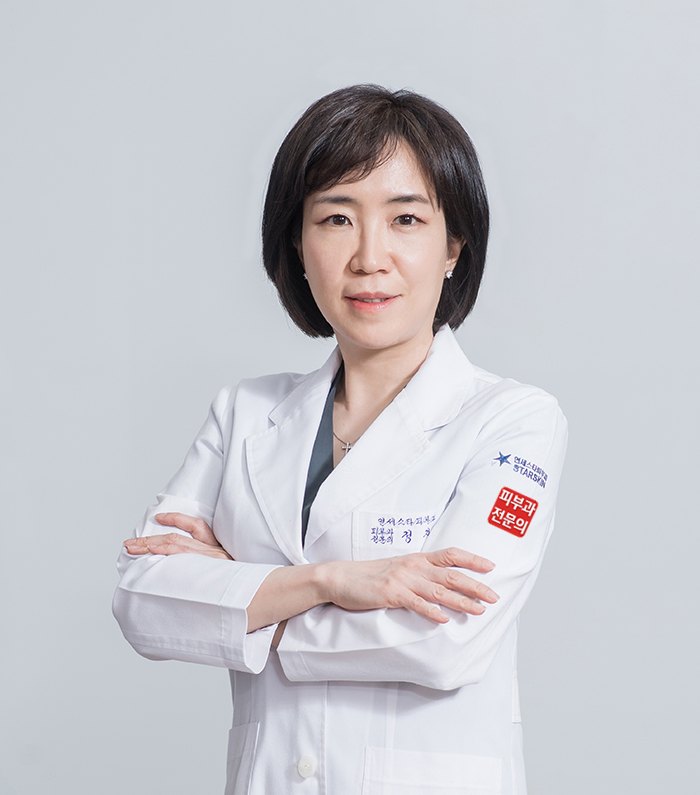
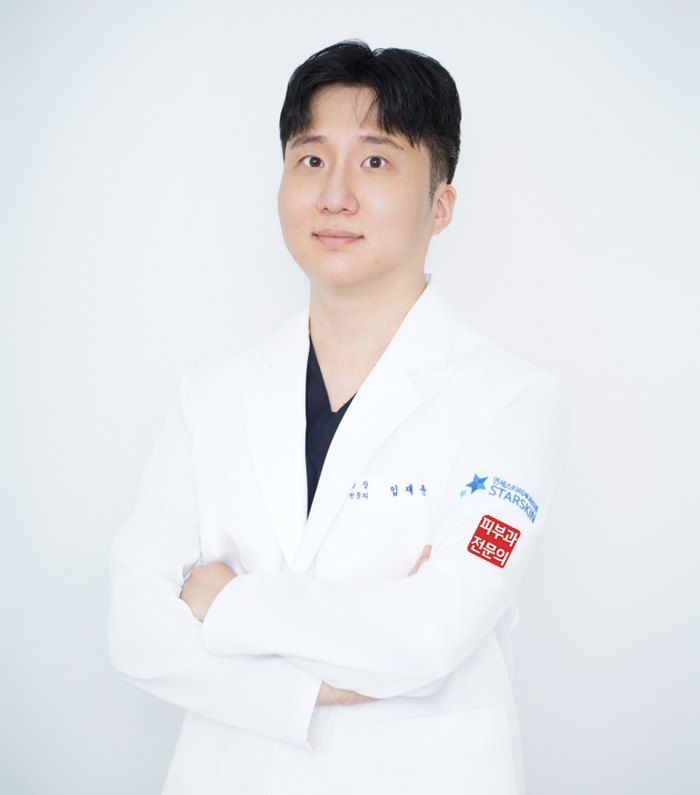
Clinical Perspective: A board-certified dermatologist practicing in Gangnam notes: “International patients should always verify that their treating physician holds active specialist certification, not merely a general medical license. In Korea, the distinction between a general practitioner performing skin procedures and a certified dermatologist is significant in terms of training depth and clinical safety protocols.”

What Patients Experience at Seoul Dermatology Clinics

Initial Consultation and Assessment

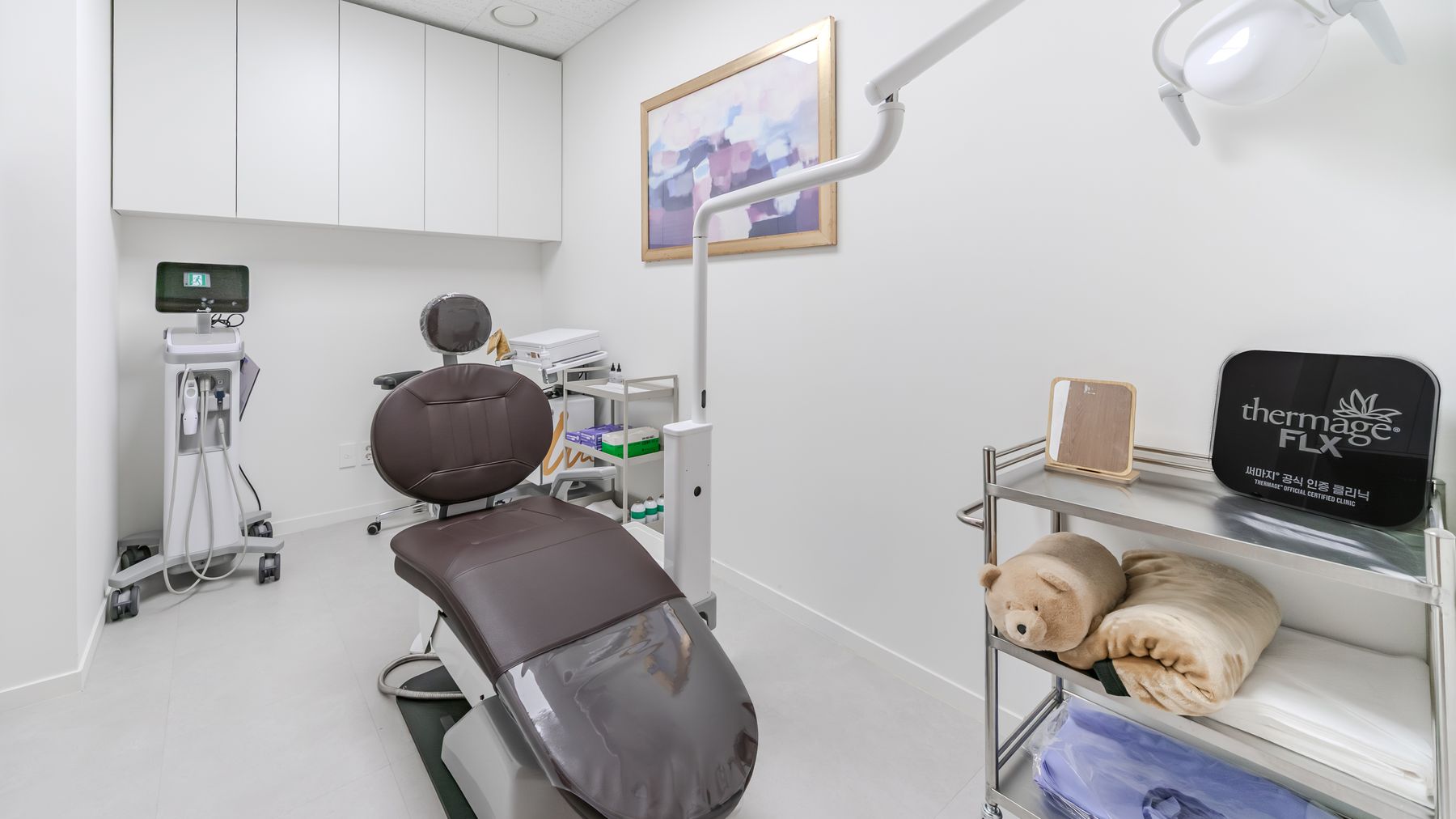
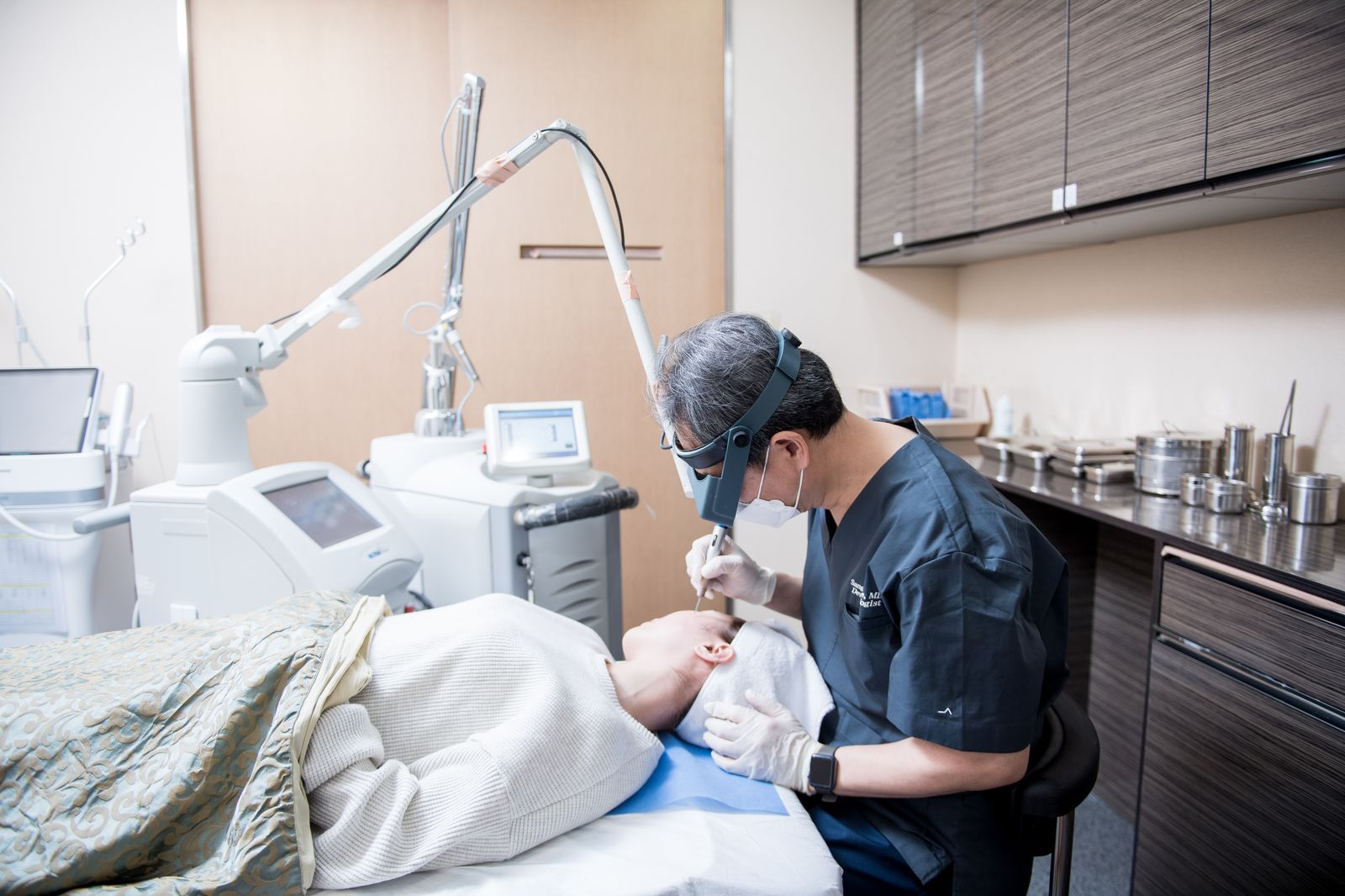
The first visit to a board certified dermatologist in Seoul typically involves a detailed skin analysis using dermoscopy and, in many clinics, AI-assisted skin imaging systems. The dermatologist will review your medical history, assess your skin type according to the Fitzpatrick scale, and recommend a personalized treatment plan. Consultations at specialist clinics in Gangnam often last 20 to 40 minutes and may include a patch test if allergic reactions are a concern. Many clinics provide written summaries of their recommended protocols, which is particularly useful for international patients who need to plan treatment across multiple visits. For those researching their options before traveling, our comprehensive overview of the best dermatologists in Seoul offers detailed clinic-by-clinic comparisons to help narrow your search.

Common Treatments and Procedure Costs

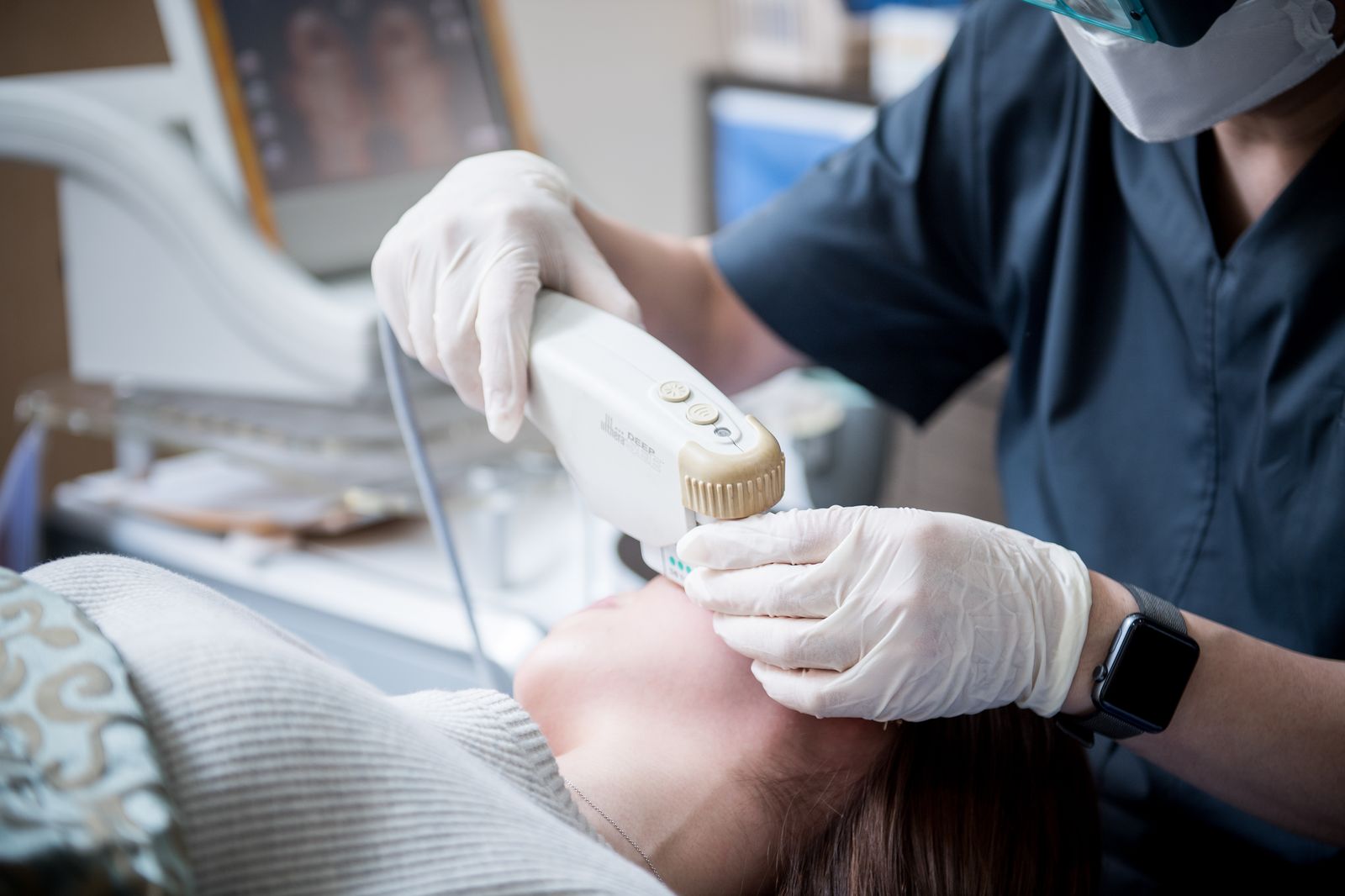
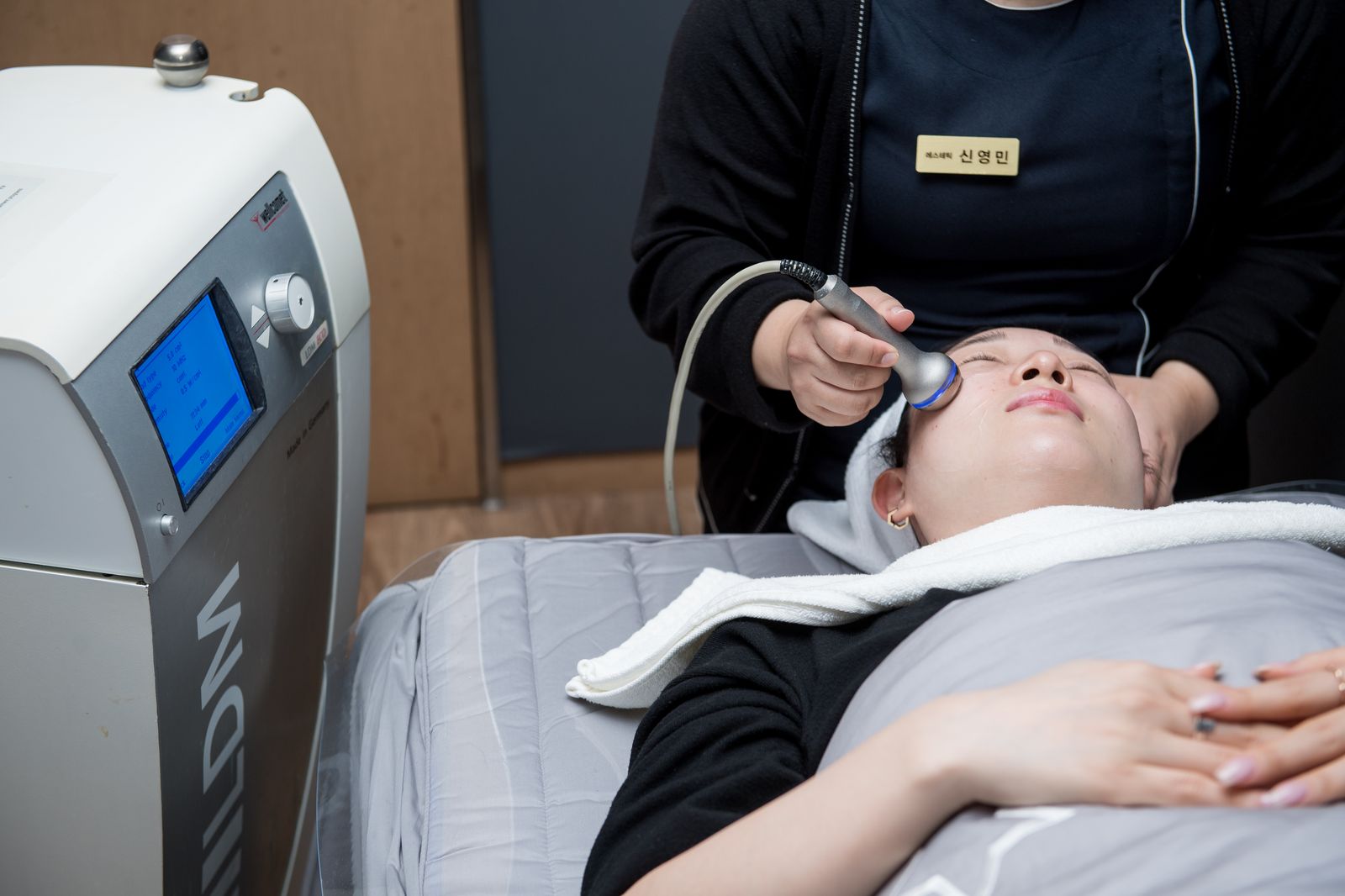
Board certified dermatologists in Seoul offer a wide range of treatments. Laser toning sessions for pigmentation typically cost between 80,000 and 200,000 KRW (USD 60–150) per session, while fractional CO2 resurfacing can range from 300,000 to 900,000 KRW (USD 225–675). Rejuran Healer injections, popular among international patients for skin repair, are generally priced at 200,000 to 500,000 KRW (USD 150–375). Botulinum toxin injections for wrinkle reduction start at approximately 100,000 KRW (USD 75) per area. For clinical evidence supporting these procedures, research published through NCBI PubMed documents the efficacy and safety profiles of many commonly requested Korean dermatological treatments. Patients visiting for acne scar treatment, melasma management, or anti-aging procedures frequently find that Seoul offers both more advanced technology and more competitive pricing compared to equivalent clinics in North America, Europe, or Australia.

Navigating Clinic Credentials and Staff Qualifications

One of the most important steps before committing to any clinic is verifying that the treating physician is an active member of the Korean Dermatological Society and holds a current specialist license. Reputable clinics display their credentials visibly in waiting areas and on their official websites. It is also advisable to confirm that any nurse or aesthetician performing supportive procedures works under direct physician supervision, which is a regulatory requirement in Korean medical facilities. For patients who want to compare multiple clinic experiences, reading real patient accounts in our detailed review of dermatology Seoul reviews provides firsthand insight into what verified patients have encountered across top-rated clinics.

Your Board Certified Dermatologist Journey in Korea

Planning Your Visit

Most international patients who visit a board certified dermatologist in Seoul structure their trip around a minimum stay of five to seven days to allow for initial consultation, any required patch testing, the main procedure, and at least one follow-up assessment. For multi-session treatments such as laser acne scar therapy or pigmentation correction, a two-week stay is advisable. Patients traveling from Southeast Asia, the Middle East, or North America commonly choose Gangnam as their base due to its proximity to the highest density of internationally oriented clinics. For a full breakdown of current market rates across different treatment categories, the dermatology Seoul price guide provides an up-to-date reference for budgeting purposes.

Aftercare and Follow-Up

Post-treatment care is taken very seriously by board certified dermatologists in Seoul. Most clinics provide printed aftercare instructions in English, Korean, and sometimes Chinese or Japanese. Sun protection is universally emphasized following any laser or resurfacing procedure, and many clinics dispense pharmaceutical-grade sunscreen and barrier repair serums as part of the treatment package. Remote follow-up consultations via messaging apps or email are increasingly offered by clinics accustomed to international patients who have returned home. Those planning longer treatment journeys may also benefit from information available through Korean clinics for international patients, which covers practical logistics including interpreter services and post-visit communication protocols.

What International Patients Should Know

  • Verify credentials directly: Ask the clinic to confirm that your treating physician holds active certification from the Korean Dermatological Society before booking any paid procedure.
  • Request itemized pricing in writing: Reputable clinics will provide a written estimate covering consultation, procedure, consumables, and any follow-up sessions so there are no unexpected charges.
  • Book English consultations in advance: Clinics in Gangnam and Apgujeong that regularly serve foreign patients often have dedicated English-speaking coordinators, but availability should be confirmed at least 48 to 72 hours in advance.
  • Factor in skin sensitivity recovery time: Procedures such as fractional lasers or chemical peels may leave skin visibly red or flaking for three to seven days, which should be accounted for in your travel schedule.
  • Check for package deals transparently: Some clinics offer multi-session packages at a discount, but confirm that each session is delivered by the same board certified dermatologist rather than rotating junior staff.

Frequently Asked Questions

How much does seeing a board certified dermatologist in Seoul cost?

Consultation fees typically range from 30,000 to 80,000 KRW (USD 22–60). Procedure costs vary widely: basic treatments start around 100,000 KRW (USD 75), while advanced laser sessions can reach 1,500,000 KRW (USD 1,130) or more. Many clinics offer package pricing for multi-session treatments that reduce the per-visit cost.

Can foreigners see a board certified dermatologist in Seoul?

Yes, foreigners are fully permitted to receive dermatological treatment at any licensed clinic in Korea. Many clinics in Gangnam and Apgujeong specifically cater to international patients with English-speaking staff, translated consent forms, and foreign payment options. A valid passport is typically the only document required for registration. Related guide: surgery treatment korea: complete guide for foreigners review.

How do I verify that a dermatologist in Seoul is board certified?

You can ask the clinic to show the physician’s specialist certificate issued by the Korean Dermatological Society, which is the national certifying body. Certified specialists must display their license on clinic premises under Korean medical law. You may also ask whether the physician is a member of the Korean Medical Association. sensitive skin clinic seoul: expert care guide 2026 guide.

Are there English-speaking board certified dermatologists in Seoul?

Yes, particularly in the Gangnam, Apgujeong, and Itaewon districts. Clinics catering to international patients often employ full-time English-speaking patient coordinators or have physicians who completed part of their training abroad. It is advisable to confirm English availability when booking your appointment.

How many sessions are typically needed for skin treatments in Seoul?

This depends on the condition being treated. Pigmentation and acne scar treatments often require three to six sessions spaced two to four weeks apart. Single-session procedures such as mole removal or individual lesion treatment are completed in one visit. Your board certified dermatologist will outline a session plan during the initial consultation.

What are the risks of dermatological procedures performed in Seoul?

Risks depend on the specific procedure but may include temporary redness, swelling, hyperpigmentation, or scarring in rare cases. Board certified dermatologists mitigate these risks through thorough skin assessment and evidence-based treatment protocols. Choosing a certified specialist rather than a non-specialist significantly reduces the likelihood of adverse outcomes. See also thermage flx vs regular thermage in korea.

Does insurance cover dermatology treatments in Seoul for foreigners?

Medical insurance from your home country rarely covers elective aesthetic dermatological procedures in Korea. Some basic diagnostic consultations for skin conditions may be partially reimbursable depending on your insurer. It is recommended to check with your insurance provider before traveling and to retain all receipts and medical documentation from your Korean clinic visits.

How do I book an appointment with a board certified dermatologist in Seoul?

Most internationally oriented clinics accept online bookings through their official websites, KakaoTalk, or email inquiry. Booking two to five days in advance is generally sufficient for consultation appointments, though popular clinics during peak travel seasons may require earlier planning. Medical tourism agencies operating in Seoul can also assist with appointment coordination and translation services.

Do I need a medical visa to see a dermatologist in Seoul?

Citizens of many countries, including the United States, Canada, European Union nations, Australia, and most Southeast Asian countries, can enter Korea visa-free for tourism and short-stay medical visits. If you plan an extended medical stay exceeding the standard visa-free period, a medical treatment visa may be required. Check the Korean embassy requirements for your specific nationality before travel.

What is the best district in Seoul for board certified dermatologists?

Gangnam-gu, particularly the Apgujeong and Cheongdam neighborhoods, has the highest concentration of internationally recognized dermatology clinics. These areas are well-served by public transport and within walking distance of major hotels frequented by medical tourists. Sinchon and Hongdae also have reputable clinics at slightly lower price points.

How long should I stay in Seoul for dermatological treatment?

For a single-session procedure, a minimum of three days is recommended to account for consultation, treatment, and initial recovery. Multi-session treatment courses typically require one to two weeks per visit. Patients combining dermatological treatment with other procedures or tourism commonly stay seven to fourteen days.

Is dermatology in Seoul better than in other countries?

Korea is globally recognized for its dermatological innovation, early adoption of advanced laser technologies, and high specialist-to-patient ratio. Many devices and techniques in routine use at Seoul clinics are still considered premium offerings in Western markets. However, quality ultimately depends on the individual physician’s experience and the specific condition being treated.

What aftercare is needed following dermatological procedures in Seoul?

Standard aftercare includes diligent application of broad-spectrum SPF 50 sunscreen, avoiding direct sun exposure for at least two weeks post-procedure, refraining from harsh skincare actives such as retinoids and AHAs for a specified period, and keeping treated skin moisturized. Your dermatologist will provide a written aftercare sheet tailored to your specific procedure. korean dermatology clinic: complete guide for patients review.

How long do results from Seoul dermatology treatments last?

Results vary significantly by treatment type. Laser toning for pigmentation can maintain results for six to twelve months with proper sun protection. Rejuran Healer effects typically last nine to twelve months. Botulinum toxin results generally last three to six months. Your board certified dermatologist will advise on maintenance scheduling during your consultation.

What side effects are common with dermatological treatments in Seoul?

Common and expected side effects include temporary erythema (redness), mild swelling, and flaking in the days following laser or resurfacing procedures. These typically resolve within three to seven days. Serious side effects such as post-inflammatory hyperpigmentation or scarring are uncommon when procedures are performed by board certified dermatologists following established protocols. See also best thermage face korea: complete 2026 guide.

Related Articles

Editorial Standards: For our methodology and review process, see our Medical Review Policy. For information about how we evaluate Korean clinics, see our Clinic Selection Criteria. For our process for reviewing individual clinics, see How We Review Clinics.
Important Notice: The content on this page is intended for general educational use. Personal medical decisions should be made only after consultation with a licensed physician. Outcomes and suitability differ by individual.
About the Authors: The editorial team at Seoul Dermatology Center produces patient-focused guides for international medical travelers, combining direct clinic research with official Korean health resources.

Leave a Comment