Dermatologist Seoul: Complete Guide for Patients

Editorially Reviewed: Korea Medical Tourism Desk  |  Patient Focus: International Medical Travelers

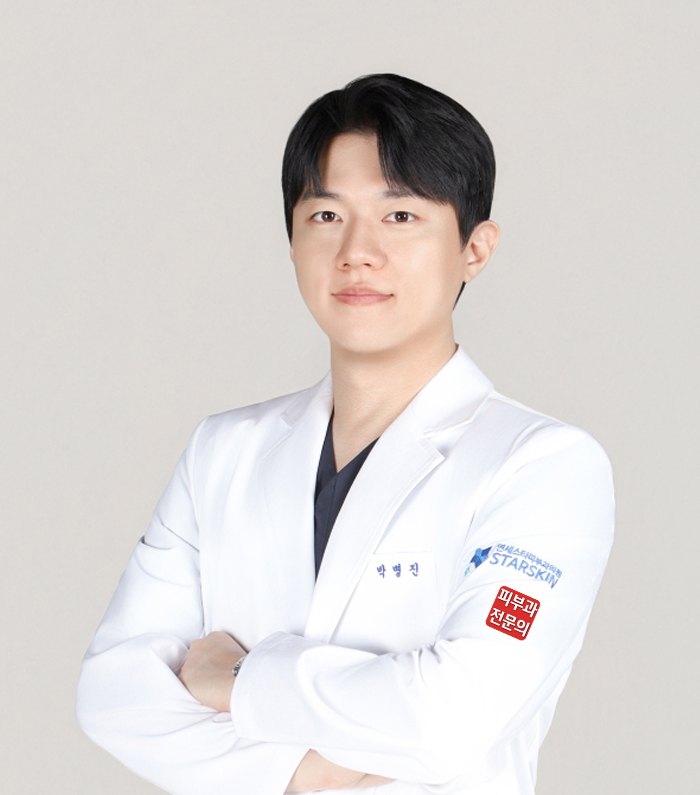
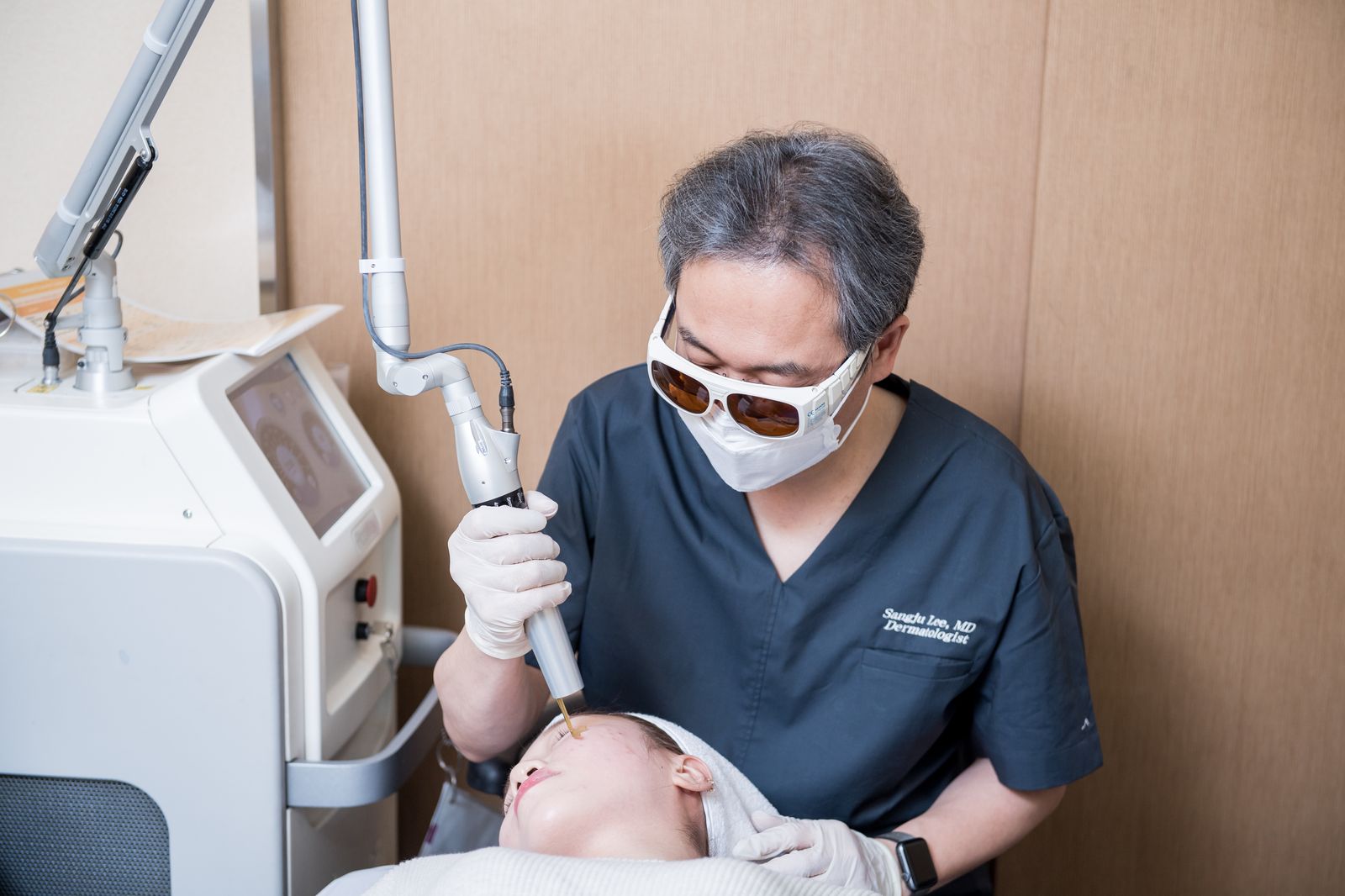
A dermatologist in Seoul is a board-certified skin specialist practicing in one of Asia’s most advanced aesthetic medicine environments, concentrated primarily in the Gangnam, Apgujeong, Cheongdam, and Sinchon districts. Seoul dermatology clinics typically offer services ranging from basic skin consultations and acne treatment to advanced laser therapies, pigmentation correction, and anti-aging procedures. Initial consultation fees generally range from 30,000 to 80,000 KRW (approximately USD 22–60), while treatment costs vary widely based on procedure type — laser treatments start from around 100,000 KRW (USD 75) per session, with premium combination therapies reaching 2,000,000 KRW (USD 1,500) or more. Korea has become a global destination for dermatological care, with the Korea Health Industry Development Institute reporting that skin-related treatments consistently rank among the top procedures sought by medical tourists visiting the country. International patients can expect English-language services at clinics catering to foreign visitors, same-day or next-day consultation availability, and treatment sessions that typically complete within 30 to 90 minutes with minimal disruption to travel schedules.

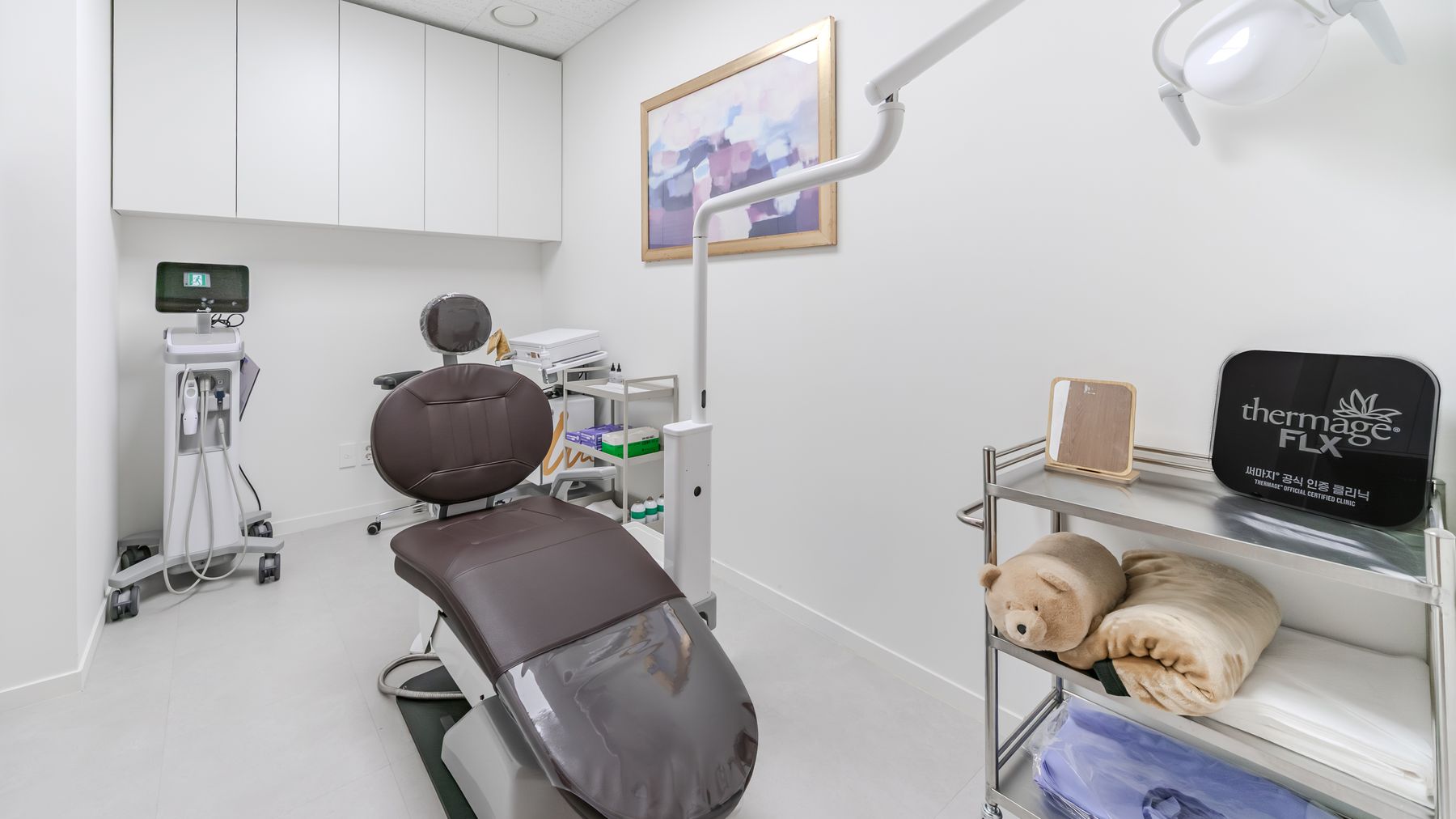
International patients arriving in Seoul often report being pleasantly surprised by the accessibility, clinical efficiency, and technology standards at Korean dermatology clinics. Unlike many Western systems where months-long waits are common, Seoul clinics routinely accommodate walk-in or same-week bookings, and the density of specialist practices in areas like Gangnam means patients have genuine choice over providers. Whether you are seeking treatment for a chronic skin condition, cosmetic enhancement, or a combination of both, this guide walks you through everything you need to know about visiting a dermatologist in Seoul.

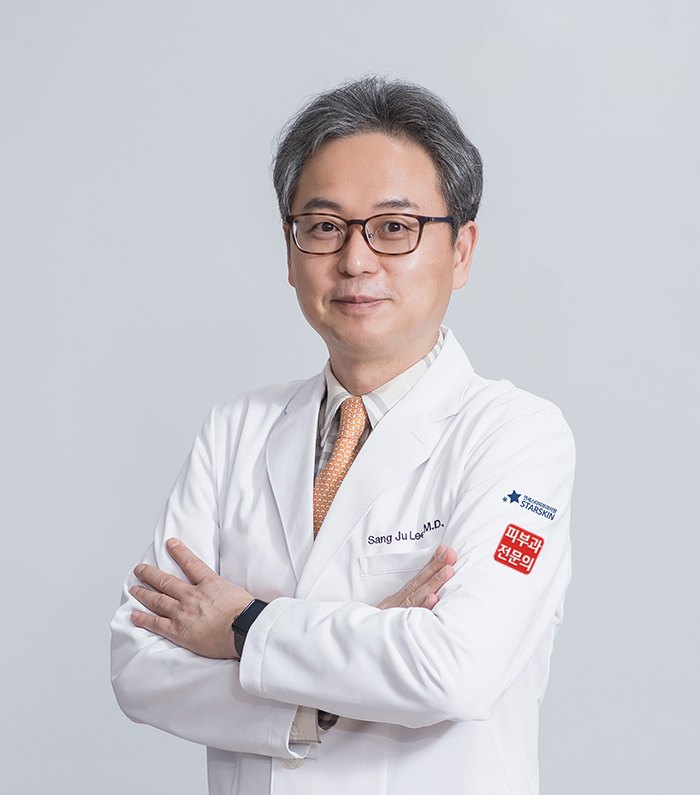
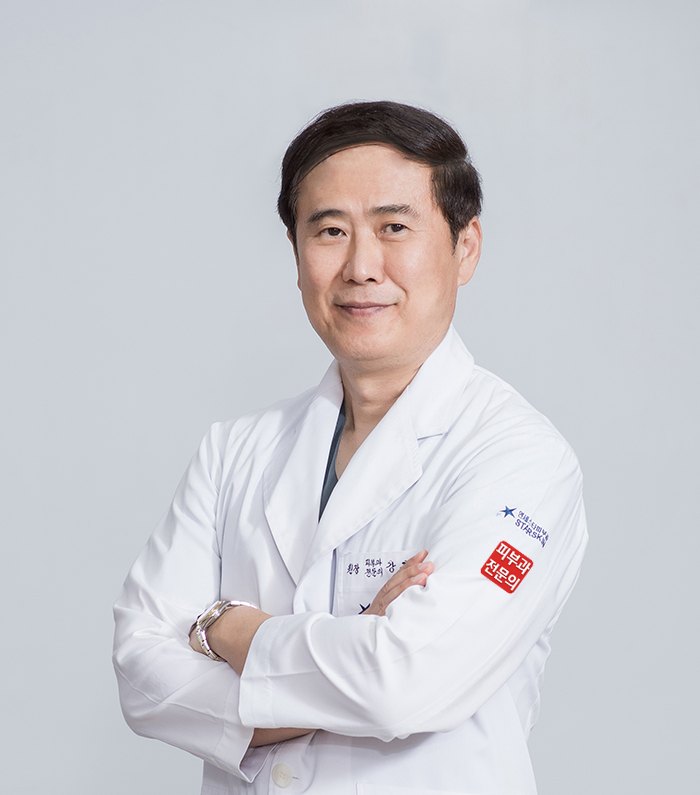
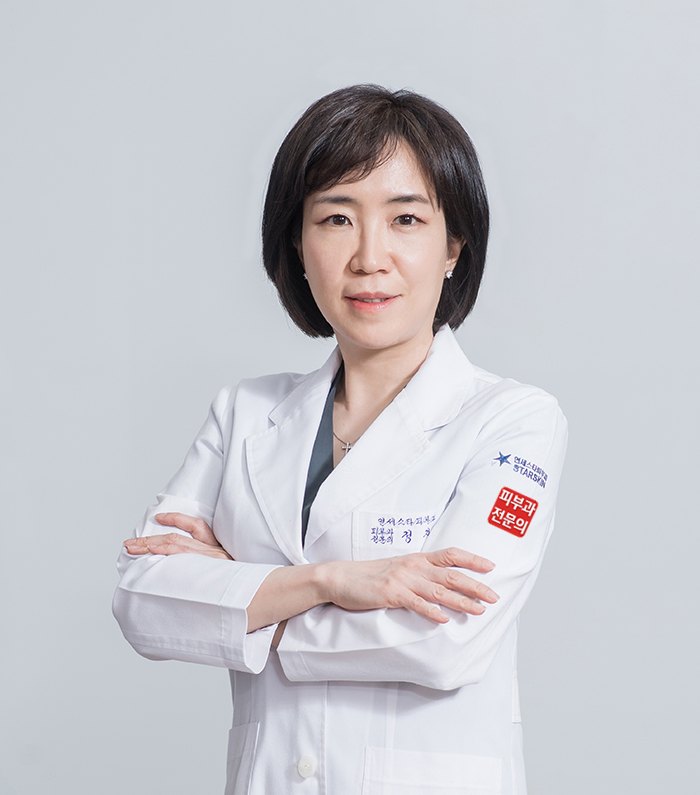
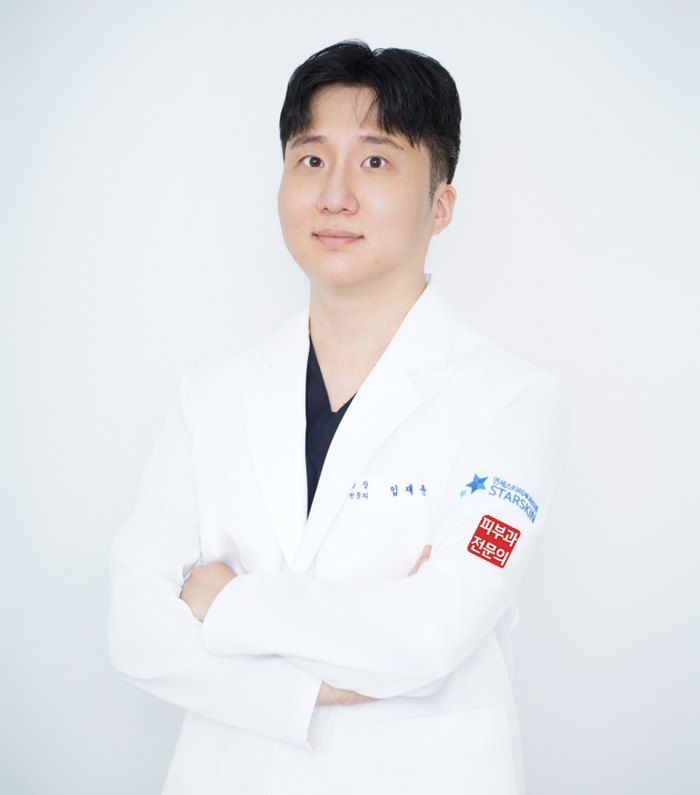
Clinical Perspective: A board-certified dermatologist practicing in Gangnam notes: “International patients typically benefit from Korea’s hybrid approach — we address medical skin concerns like rosacea or melasma alongside aesthetic goals in the same consultation, which saves both time and follow-up visits for travelers working within a limited schedule.”

What Patients Experience at a Seoul Dermatology Clinic

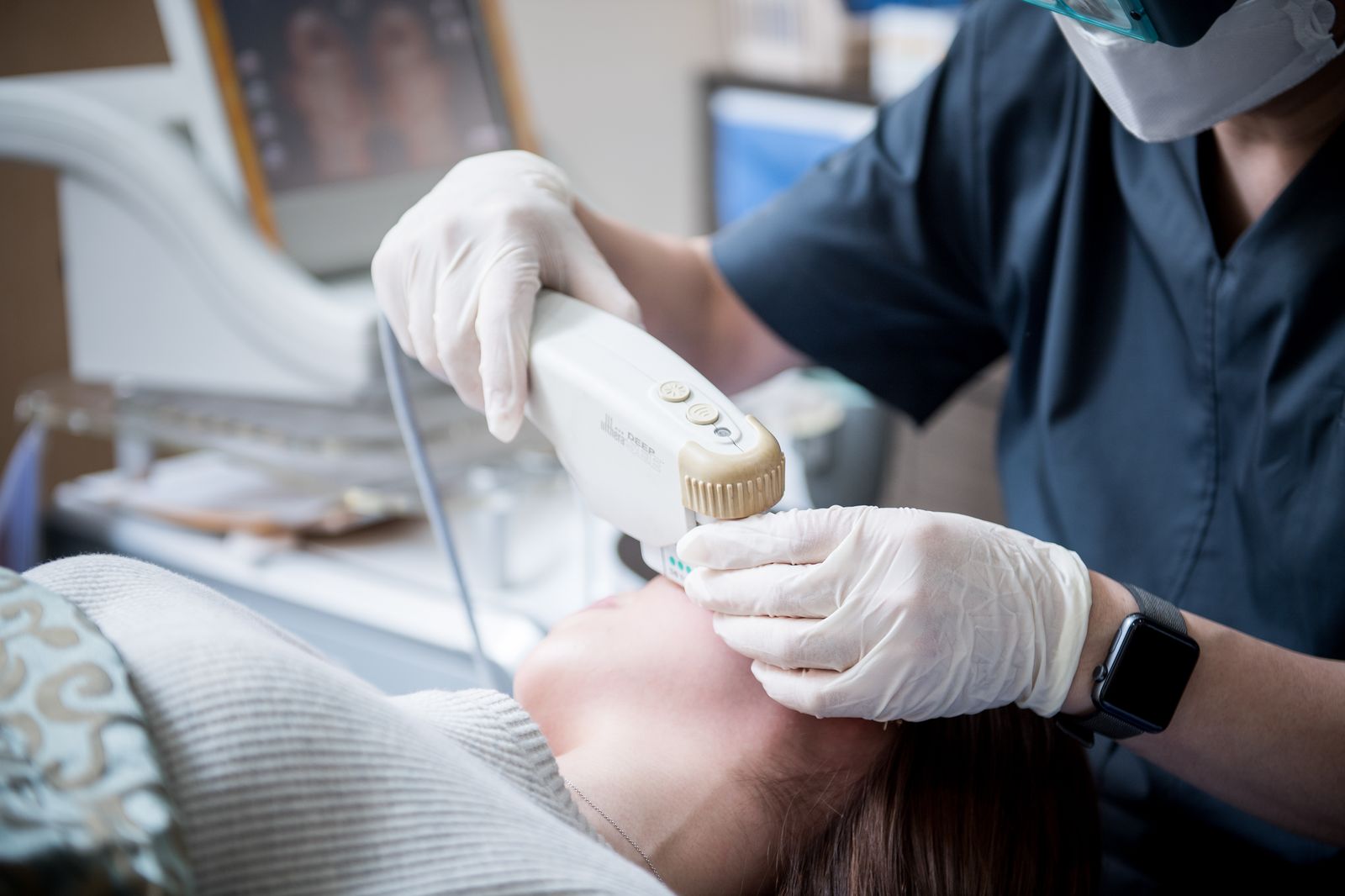
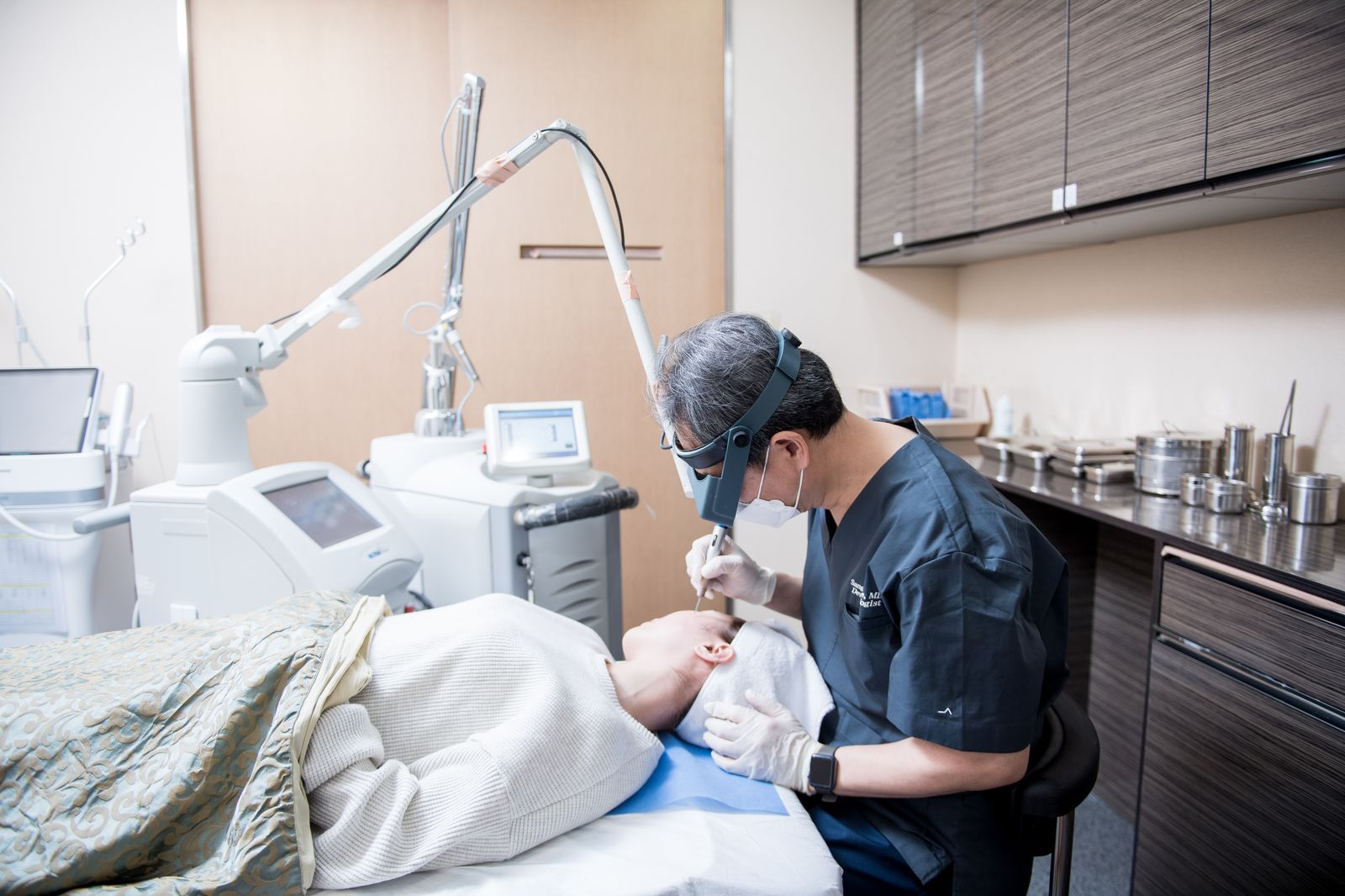
The patient journey at a Seoul dermatologist clinic typically begins with a detailed skin analysis using equipment such as VISIA complexion analysis systems, which map pigmentation, pores, UV damage, and texture. This diagnostic approach allows the dermatologist to recommend a personalized treatment protocol rather than a one-size-fits-all package. Most clinics targeting international patients offer consultation summaries in English and provide printed aftercare instructions in multiple languages. The American Academy of Dermatology confirms that evidence-based skin analysis prior to laser or chemical treatment is critical for minimizing adverse outcomes, a standard well-embedded in Korean clinical practice.

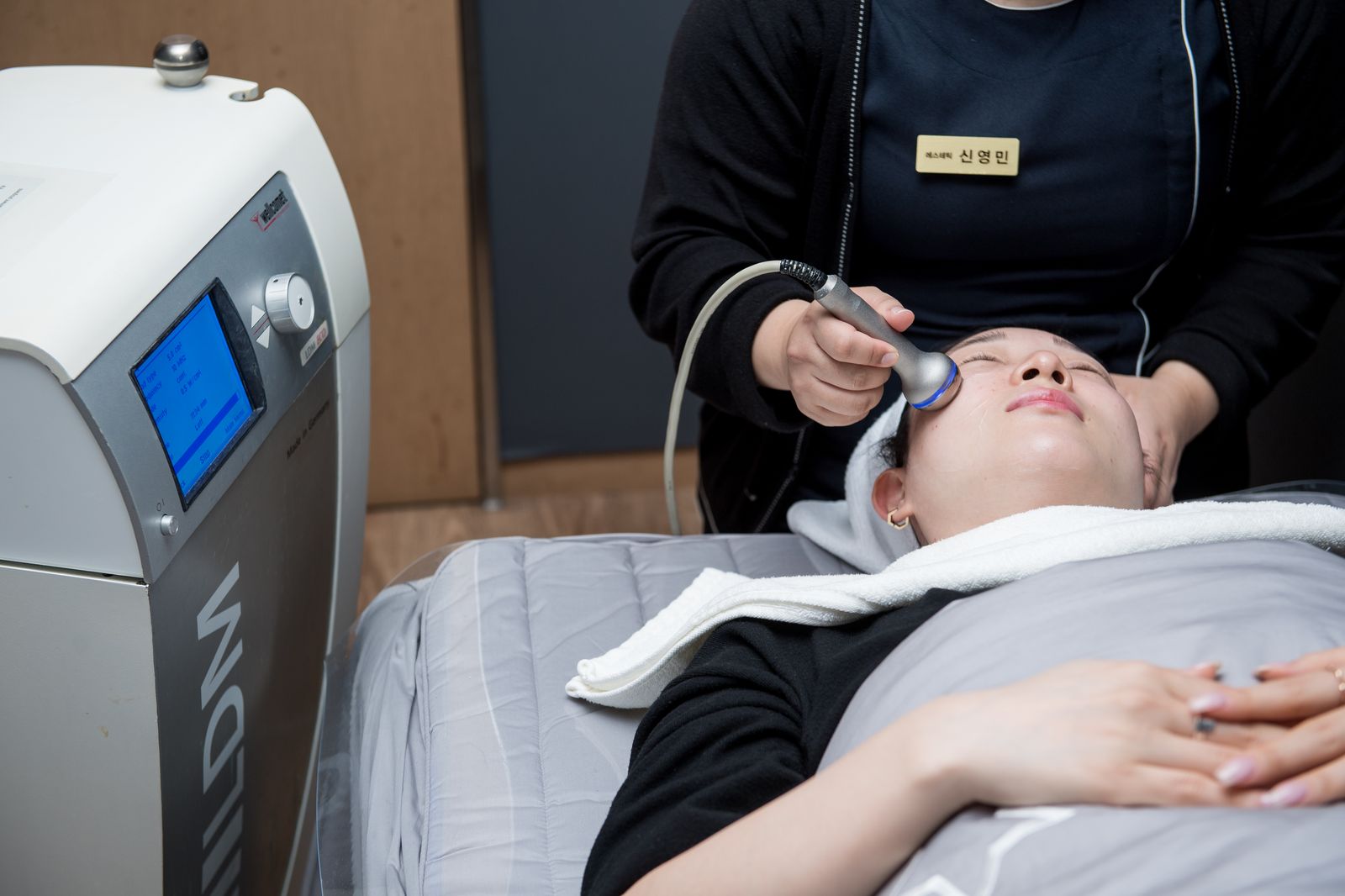
For patients seeking skin treatment options, you may also find useful comparisons in this overview of dermatology clinics in Seoul, which covers the clinic landscape in greater depth. Common treatments you can expect a Seoul dermatologist to offer include: Pico laser for pigmentation and tattoo removal, Fraxel and fractional CO2 for texture and scarring, LDM (Local Dynamic Micro-massage) for sensitive skin and redness, skin boosters such as Rejuran and Juvederm Volite, chemical peels, and prescription-grade topical programs.

Types of Dermatology Services Available

Seoul dermatologists serve both medical and aesthetic needs. Medical dermatology covers conditions like eczema, psoriasis, acne vulgaris, seborrheic dermatitis, and contact dermatitis. Aesthetic dermatology includes laser resurfacing, toning, anti-aging injectables, fat reduction, and brightening protocols. Many clinics provide both under one roof, staffed by dermatology specialists who hold certification from the Korean Dermatological Association. For patients specifically researching injectable or filler procedures, the Filler Seoul Complete Guide offers detailed pricing and clinic recommendations.

Your Dermatologist Seoul Journey: Costs and Timelines

Understanding cost structures is essential for planning a dermatology visit to Seoul. Below are typical price ranges observed across multiple Gangnam and Apgujeong clinics for commonly requested services. All prices are approximate and subject to clinic-specific variation:

  • Initial skin consultation: 30,000–80,000 KRW (USD 22–60)
  • Pico laser (full face): 150,000–400,000 KRW (USD 110–300) per session
  • Fractional CO2 laser: 300,000–700,000 KRW (USD 225–530)
  • Chemical peel (medical grade): 80,000–200,000 KRW (USD 60–150)
  • Rejuran Healer injection: 300,000–600,000 KRW (USD 225–450) per session
  • Acne extraction and treatment: 50,000–150,000 KRW (USD 38–115)
  • Melasma treatment program (3 sessions): 500,000–1,200,000 KRW (USD 375–900)

For a broader breakdown of what skin treatments cost across Korea’s major clinics, the resource on skin treatment costs in Korea provides a comprehensive pricing breakdown. The Korea Health Industry Development Institute also publishes data on inbound medical tourism spending patterns, which reflects that dermatology and aesthetic procedures represent a growing share of international patient activity in Seoul.

How Long Should You Plan for Treatment?

Most single-session laser or skin booster treatments are completed within 30 to 60 minutes. If a numbing cream is required, add 30 minutes to the appointment. Combination programs requiring multiple sessions are typically spaced 2 to 4 weeks apart. Patients planning a short trip to Seoul for dermatology purposes should ideally allow at least 3 to 5 days in the city to accommodate consultation, any pre-treatment preparation, the treatment itself, and a brief post-treatment review. For complex protocols such as acne scarring or melasma management, a stay of 7 to 10 days with multiple sessions may be recommended. See also about sculptra after effects korea: patient complete guide.

What International Patients Should Know

Navigating the Seoul dermatology scene as a foreign patient involves a few practical considerations. Clinic concentrations in Gangnam-gu, particularly around Apgujeong Rodeo and Sinnonhyeon, offer the highest density of English-capable practices. It is advisable to confirm English availability when booking, as while many reception staff communicate in English, the dermatologist themselves may require a medical coordinator to assist during detailed consultations. Reading verified patient reviews is one of the most reliable ways to assess a clinic — for this purpose, the resource on dermatology Seoul reviews offers curated perspectives from international patients. Patients with existing skin conditions should bring documentation of previous diagnoses, current medications, and any allergy history to the consultation.

Patient Questions

A common question from international patients relates to whether their home-country prescriptions will be honored. Korean dermatologists operate independently and will typically conduct their own assessment before issuing any prescription, though presenting prior treatment records significantly streamlines this process. Patients who have undergone laser treatments within the prior two weeks, or who are currently using retinoids or strong AHAs, should disclose this at consultation as these factors influence treatment eligibility and settings. You can also review the broader guide for international patients at Korean clinics for additional practical advice on navigating appointments, payments, and communication.

Frequently Asked Questions

How much does a dermatologist visit in Seoul cost?

An initial consultation with a dermatologist in Seoul typically costs between 30,000 and 80,000 KRW (USD 22–60). If treatment is performed on the same day, additional costs apply depending on the procedure selected. Most clinics provide a full cost estimate before proceeding with any treatment.

Can foreigners visit a dermatologist in Seoul?

Yes, foreigners can visit any licensed dermatology clinic in Seoul without restrictions. Many clinics in Gangnam specifically cater to international patients and offer English-language consultations and multilingual support. You do not need Korean health insurance or residency to receive treatment.

Are there English-speaking dermatologists in Seoul?

Yes, particularly in the Gangnam, Apgujeong, and Itaewon areas. Many clinics have international patient coordinators who facilitate English communication. It is recommended to confirm English-language availability when making your booking, especially for complex consultations. see here.

How do I book a dermatologist appointment in Seoul?

Most clinics accept appointments via their official websites, messaging apps like KakaoTalk, or through medical tourism coordination platforms. Walk-in visits are also accepted at many clinics, though booking ahead is recommended during peak tourist seasons. Response times for email or online inquiries are generally within 24 hours. Related guide: this guide.

Does insurance cover dermatology treatment in Seoul?

Korean National Health Insurance does not cover international patients. Most cosmetic and aesthetic procedures are not covered even for Korean nationals. Some international travel insurance policies may cover medically necessary dermatological treatment — check your policy’s coverage for outpatient specialist visits before traveling. top korean skin booster clinics ranked guide.

Is dermatology in Seoul better than in Western countries?

Korean dermatologists are trained to the same international standards and often have access to newer device technologies and more affordable pricing structures than Western equivalents. Seoul’s high volume of aesthetic patients also means clinicians accumulate significant procedural experience. For certain treatments like laser toning and pigmentation correction, Korean practitioners are widely regarded as global leaders.

What is the best district in Seoul for dermatology clinics?

Gangnam-gu is considered the primary hub for dermatology clinics in Seoul, with the highest concentration of specialist practices. Within Gangnam, Apgujeong and Cheongdam-dong are particularly well-known for premium aesthetic dermatology. Sinchon and Hongdae also have strong dermatology options, often at slightly lower price points.

How many sessions are typically needed for laser skin treatment?

The number of sessions depends on the treatment type and the individual’s skin concern. Mild pigmentation may respond in 2 to 3 sessions, while acne scarring treatment programs often require 4 to 6 sessions spaced several weeks apart. Your dermatologist will recommend a specific protocol following the initial skin analysis.

What are the risks or side effects of dermatological laser treatments?

Common side effects include temporary redness, mild swelling, and sensitivity to sunlight following laser procedures. More serious complications such as post-inflammatory hyperpigmentation or burns are rare when performed by qualified practitioners. Proper pre- and post-treatment care significantly reduces risk, and reputable clinics provide detailed aftercare instructions.

Do I need a medical visa to visit a dermatologist in Seoul?

Most nationalities can enter Korea for short-term medical visits on a standard tourist visa or visa-free entry. A separate medical visa is not required for outpatient dermatology treatments. However, if your stay extends beyond the standard visa-free period or involves extended inpatient treatment, you may need to apply for a medical treatment visa through a Korean embassy. See also the clinic.

How long should I stay in Seoul for dermatology treatment?

For a single treatment session such as a laser facial or skin booster injection, 2 to 3 days is sufficient. If you are undergoing a multi-session program for acne scars or melasma, a stay of 7 to 14 days is more appropriate to allow for multiple appointments and post-treatment monitoring.

What aftercare is needed after dermatology treatment in Seoul?

Aftercare varies by treatment but generally includes sun avoidance, use of SPF 50+ sunscreen, gentle fragrance-free skincare, and avoiding heat exposure for 24 to 72 hours. Clinics will provide specific written aftercare instructions, and many offer follow-up consultation via messaging apps if questions arise after you return home. chemical peel korea cost: 2026 price guide details.

How long do dermatology treatment results last?

Results depend heavily on the treatment type and individual skin characteristics. Laser pigmentation treatments may produce results lasting 6 to 18 months with proper sun protection. Skin booster injections such as Rejuran typically last 6 to 12 months. Maintenance sessions are often recommended to sustain optimal results over time.

Related Articles

Editorial Standards: For our methodology and review process, see our Medical Review Policy. For information about how we evaluate Korean clinics, see our Clinic Selection Criteria. For our process for reviewing individual clinics, see How We Review Clinics.
Important Notice: The content on this page is intended for general educational use. Personal medical decisions should be made only after consultation with a licensed physician. Outcomes and suitability differ by individual.
About the Authors: The editorial team at Seoul Dermatology Center produces patient-focused guides for international medical travelers, combining direct clinic research with official Korean health resources.

Leave a Comment