Fact-Checked: Korea Medical Content Team | Research Basis: Direct Clinic Consultations
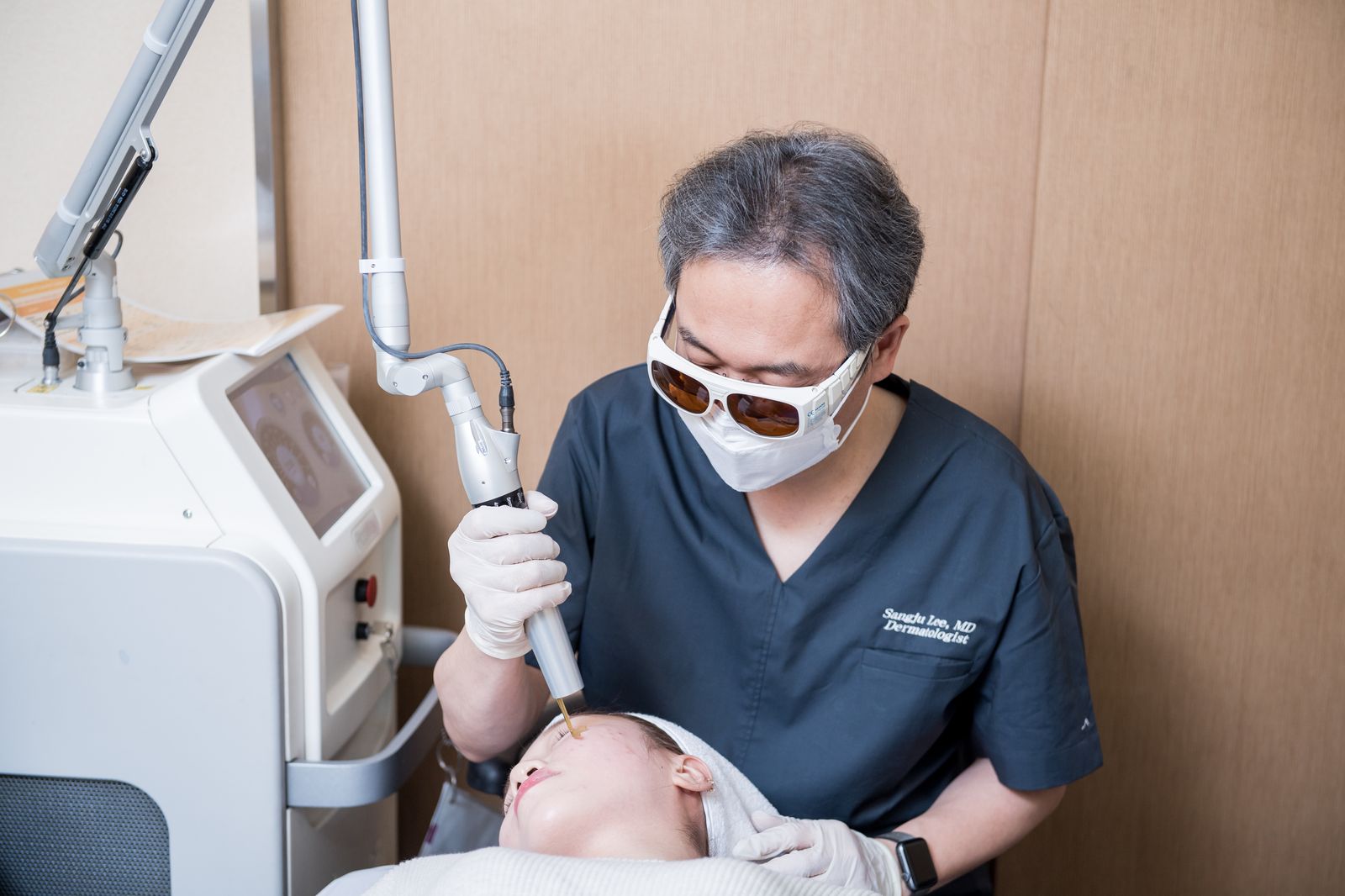
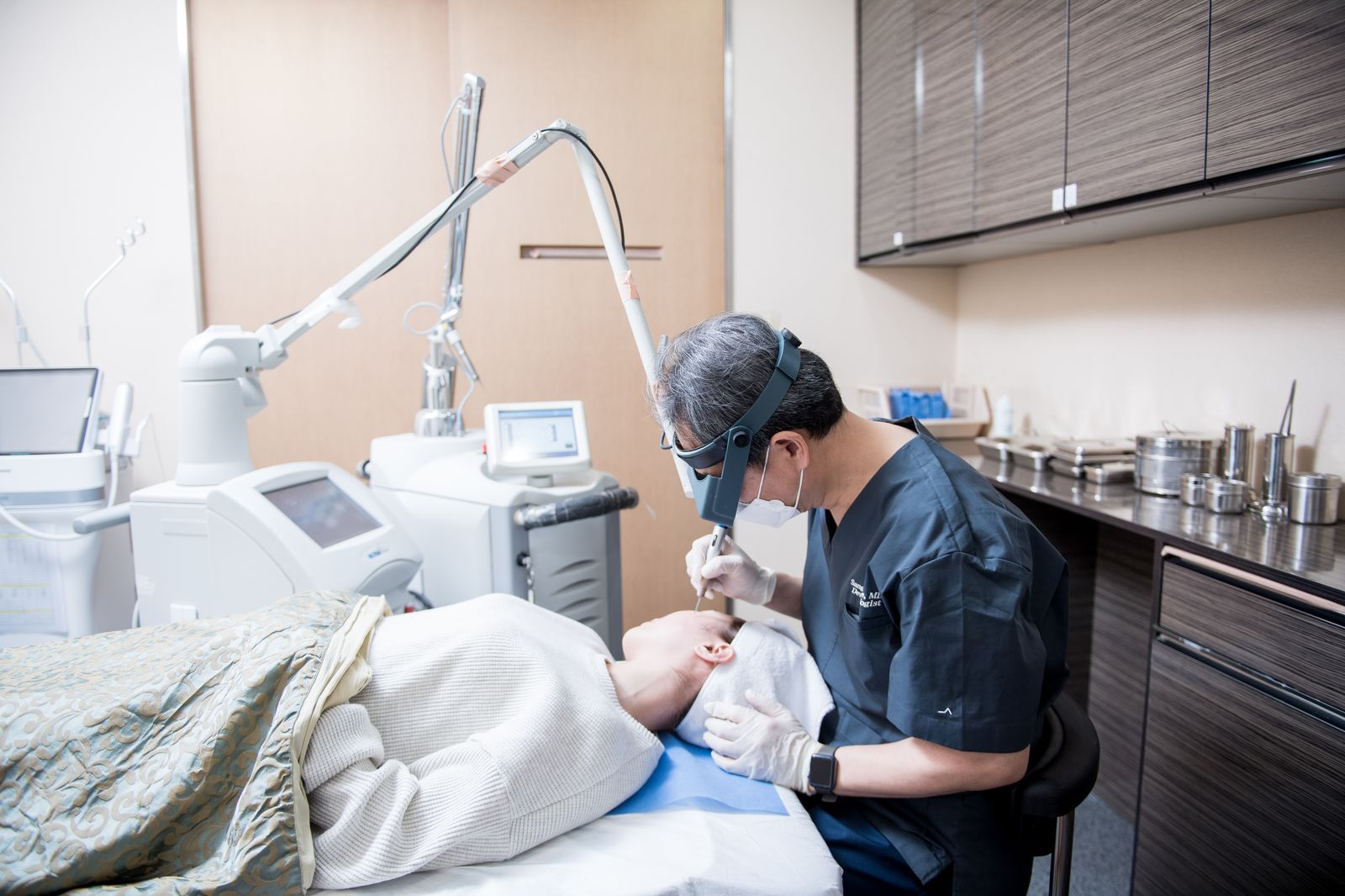
A dermatology clinic in Seoul offers international patients access to board-certified Korean skin specialists who practice in one of the world’s most advanced aesthetic medicine environments. The majority of leading clinics are concentrated in Gangnam-gu, particularly the Apgujeong, Cheongdam, and Sinnonhyeon districts, with a significant cluster also operating near Hongdae and Myeongdong for walk-in and medical tourism patients. Common treatments include pico laser pigmentation removal (300,000–800,000 KRW / USD 225–600), Fraxel resurfacing (400,000–1,200,000 KRW / USD 300–900), Rejuran Healer skin regeneration (250,000–600,000 KRW / USD 185–450), and medical-grade acne management programs. Most clinics offer English-language consultations, same-day appointments, and treatment packages tailored to short-stay visitors. Korea’s dermatology sector is regulated by the Ministry of Health and Welfare, and dermatologists must hold a board certification after completing specialized residency training — a standard that directly benefits patients seeking high-quality care abroad.
Pricing and quality vary significantly across Seoul’s medical districts, making a systematic comparison essential before committing to a clinic. Gangnam clinics typically command premium pricing due to higher overhead and international reputation, while equally capable dermatologists operate in Mapo-gu and Yongsan-gu at moderately lower costs. Understanding how to evaluate a dermatology clinic in Seoul — from certifications and technology to aftercare support and transparent pricing — can make the difference between an exceptional treatment outcome and a disappointing one. This guide compares key factors international patients should weigh when choosing the right clinic in Seoul.
Comparing Dermatology Clinic Options in Seoul
Gangnam and Apgujeong: Premium Clinic Tier
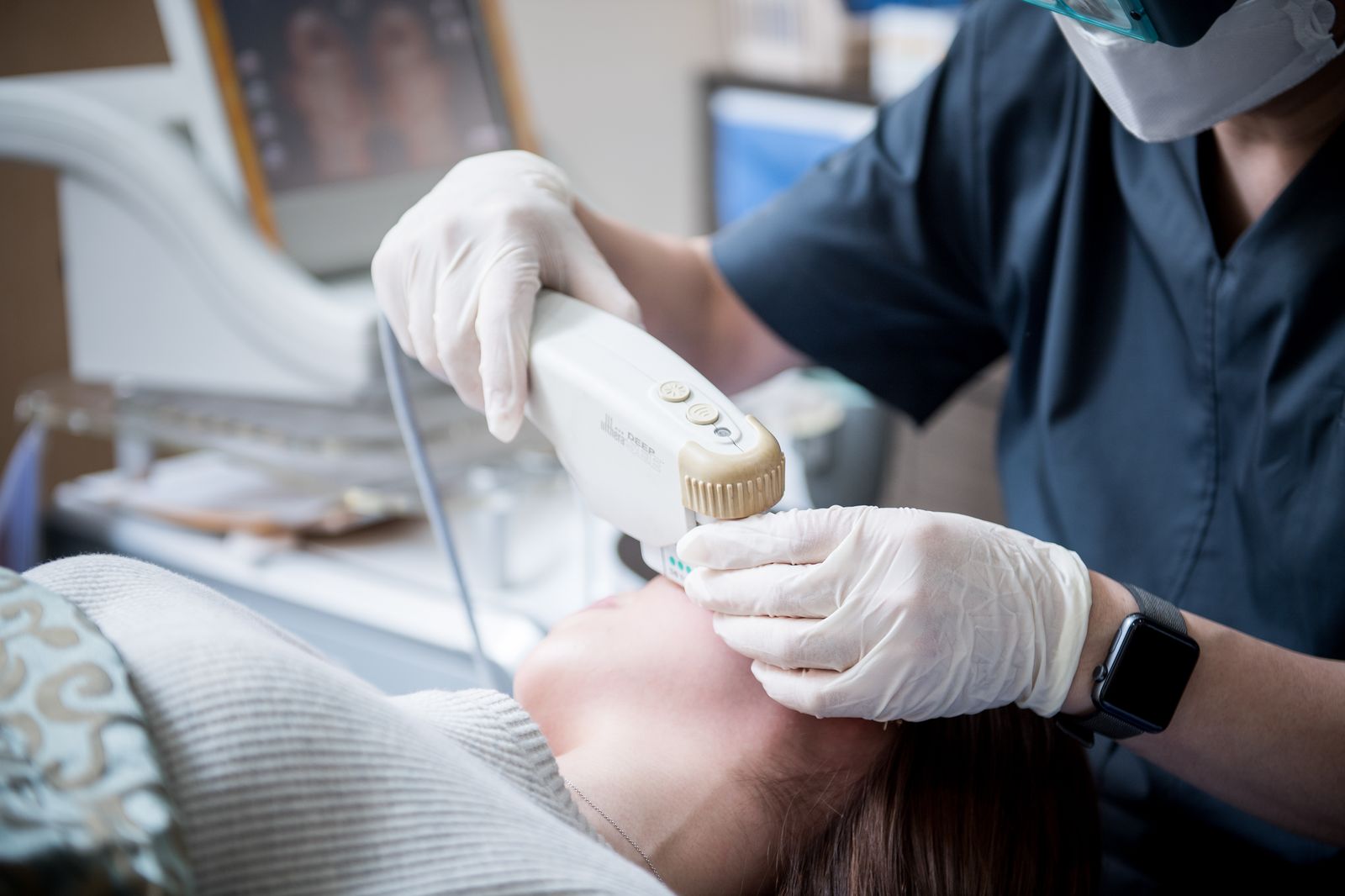
The Gangnam and Apgujeong corridors represent Seoul’s flagship dermatology zone. Clinics here typically feature the latest generation laser platforms — including PicoSure Pro, Fraxel Dual, and Ultherapy — alongside dedicated international patient coordinators. Consultation fees range from 30,000 to 80,000 KRW (USD 22–60), often waived if treatment is booked on the same visit. These clinics hold the highest density of double-board-certified dermatologists in the country, and many publish English-language procedure menus with upfront pricing. The American Academy of Dermatology recognizes that standardized dermatologist training and licensure — as practiced in Korea — is directly associated with better patient outcomes for aesthetic procedures, reinforcing confidence in Seoul-based specialists.
Mid-Range Clinics: Hongdae, Itaewon, and Yongsan
Districts such as Hongdae and Itaewon host a growing number of competent dermatology clinics catering to both expats and medical tourists. These clinics often use identical device brands to their Gangnam counterparts but operate with lower staffing overhead, passing savings to patients. Laser toning sessions average 80,000–200,000 KRW (USD 60–150) in this tier, compared to 150,000–350,000 KRW (USD 110–260) in Gangnam. For visitors who have clearly diagnosed conditions and require straightforward treatment rather than full-consultation luxury packages, mid-range Seoul clinics represent strong value. Patients researching clinic options can also consult dermatology Seoul reviews to compare verified patient experiences across different districts before making a final decision.
Treatment Categories and Price Comparisons
Understanding which treatment category your concern falls into helps narrow the clinic search. Below is a comparative overview of common procedures across clinic tiers in Seoul:. See also gangnam dermatology: complete guide for patients details.
- Acne treatment programs: 150,000–500,000 KRW (USD 110–375) per session; mid-range to premium
- Laser toning / pigmentation: 80,000–400,000 KRW (USD 60–300) depending on area and device
- Chemical peels (medical grade): 100,000–300,000 KRW (USD 75–225)
- Rejuran Healer injections: 250,000–600,000 KRW (USD 185–450) per session
- Fraxel or fractional CO2 resurfacing: 400,000–1,200,000 KRW (USD 300–900)
- Skin booster injections (Juvederm Volite, Restylane Skinboosters): 300,000–700,000 KRW (USD 225–525)
For a broader understanding of cost structures across Korean skin treatments, reviewing a detailed skin treatment Korea cost breakdown can help patients budget accurately before arrival.
How to Evaluate a Dermatology Clinic in Seoul
Certification and Licensing Standards
Korean dermatologists must complete a minimum four-year medical degree, followed by a hospital internship, a dermatology residency, and board certification administered through the Korean Dermatological Association. Patients should verify that their chosen provider holds an active license registered with the Korea Health Industry Development Institute, which publishes guidelines on accredited medical tourism facilities. Clinics actively participating in the Korea Medical Tourism Accreditation program typically display this certification visibly at reception and on their English-language websites.
Technology, English Support, and Aftercare
A well-equipped Seoul dermatology clinic should have current-generation laser systems with documented maintenance records, a dedicated English-speaking coordinator (not merely a bilingual receptionist), and a written aftercare protocol provided in English at discharge. Clinics offering remote post-treatment follow-up consultations via video call are particularly valuable for international patients returning home within days of treatment. Patients exploring options across multiple clinics benefit from reviewing aggregated guides such as the best dermatologist in Seoul overview to cross-reference clinic features before booking.
How to Choose the Right Clinic
Questions to Ask Before Booking
Before confirming an appointment at any dermatology clinic in Seoul, international patients should ask: Is the treating physician board-certified in dermatology (not just aesthetic medicine)? What specific device model will be used, and what is its service date? Is the quoted price inclusive of consultation, the procedure, and one follow-up? What is the policy if a reaction or adverse effect occurs after you have left Korea? Clinics that answer these questions transparently with written confirmation demonstrate the organizational maturity that reduces risk for international patients. For patients seeking a board-certified specialist specifically, the board certified dermatologist Seoul guide provides a detailed framework for verifying credentials.
Red Flags and What to Avoid
Avoid clinics that resist sharing the treating physician’s name before consultation, pressure patients into same-day package upgrades during consultation, or advertise prices significantly below all market competitors without explanation. Unusually low prices often reflect unregistered devices, undertrained staff performing procedures under loose supervision, or consumables of questionable quality. A trustworthy clinic will provide a written quote, a consent form translated into your language, and a clear explanation of realistic outcomes.
How to Choose the Right Clinic: Practical Tips
- Verify the physician’s specialty registration: Confirm board certification in dermatology, not just aesthetic or cosmetic medicine, which requires less rigorous training.
- Request an English consultation before treatment day: Many reputable Seoul clinics offer free video pre-consultations for international patients — use this to assess communication quality.
- Compare package inclusions carefully: Some clinics quote procedure-only prices; others include post-treatment products and follow-up visits, making direct price comparisons misleading.
- Check for KFDA device registration: All laser and energy devices used in Korean clinics must be registered with the Korean FDA. Ask for device model numbers and verify independently.
- Plan a 3–5 day buffer after treatment: Even non-invasive procedures like fractional laser or Rejuran may cause temporary redness or sensitivity lasting 2–4 days — allow time before travel or public events.
Frequently Asked Questions
How much does a dermatology clinic in Seoul typically cost?
Costs vary by treatment type and clinic district. Consultations range from free to 80,000 KRW (USD 60), while common procedures like laser toning cost 80,000–400,000 KRW (USD 60–300) per session. Comprehensive skin packages can total 500,000–2,500,000 KRW (USD 375–1,875) depending on the number of sessions and treatment types included.
Can foreigners visit a dermatology clinic in Seoul without a referral?
Yes. Korean dermatology clinics operate on a direct-access model — no GP referral is required. International patients can book directly online or by phone, and many clinics accept walk-in consultations. Having a brief description of your skin concern in Korean or English is helpful for intake purposes.
Are there English-speaking dermatology clinics in Seoul?
Many clinics in Gangnam, Itaewon, and Hongdae employ English-speaking staff or patient coordinators. Clinics catering specifically to international medical tourists typically list English consultation availability on their websites. When in doubt, email the clinic in advance to confirm before booking. Related guide: korea medical tourism for foreigners: complete guide review.
How long is recovery after common dermatology treatments in Seoul?
Recovery depends on the procedure. Laser toning and skin booster injections have virtually no downtime. Medical-grade chemical peels may cause mild peeling for 3–5 days. Fractional laser treatments typically require 5–7 days of social downtime with redness and flaking. Your clinic will provide a written aftercare timeline. See also thermage 300 vs 600 shots korea: complete guide.
Is Seoul dermatology care better than in the US or Europe?
Korean dermatologists train to the same international clinical standards, and many Korean clinics offer earlier access to newer laser technologies than clinics in Western markets due to faster local regulatory pathways. Costs in Seoul are typically 40–70% lower than comparable procedures in the US or Western Europe, with equivalent or superior clinical outcomes reported by many international patients. learn more.
How many sessions are typically needed for skin improvement?
This depends heavily on the condition being treated. Pigmentation correction via pico laser often takes 3–5 sessions spaced 3–4 weeks apart. Acne management programs may involve 6–10 sessions. Rejuran Healer for skin texture is typically administered in 3 sessions, one month apart. Your dermatologist will recommend a protocol based on your skin assessment. best dermatologist in korea: complete guide details.
What are the risks or side effects of laser dermatology treatments?
Common side effects include temporary redness, mild swelling, and sensitivity lasting 1–7 days depending on the procedure intensity. Post-inflammatory hyperpigmentation (PIH) is a risk for patients with medium to dark skin tones undergoing ablative procedures — a key reason to choose a board-certified dermatologist who performs a thorough skin type assessment beforehand.
Does health insurance cover dermatology treatment in Seoul for foreigners?
Most aesthetic and cosmetic dermatology treatments are not covered by Korean national health insurance or most foreign travel insurance policies. Medical treatments for diagnosed conditions such as severe acne, eczema, or psoriasis may qualify for partial Korean NHI coverage if you hold a valid Korean insurance ID. International visitors should confirm out-of-pocket costs upfront. visit.
How do I book a dermatology clinic appointment in Seoul?
Most reputable Seoul dermatology clinics accept bookings via their official website, KakaoTalk messaging, email, or phone. For international patients, email booking with written confirmation is recommended to ensure accurate scheduling and to receive English-language pre-appointment instructions. Some clinics also partner with medical tourism facilitators who handle logistics.
Do I need a medical visa to visit a dermatology clinic in Seoul?
Most visitors from countries with Korean visa-free agreements (including the US, UK, EU nations, Australia, and many others) can visit for medical tourism purposes on a standard tourist entry. If your treatment requires an extended stay beyond the standard 90-day limit, a medical visa (C-3-3 or D-8) may be applicable. Check current entry requirements with the Korean embassy in your home country before travel. See also keloid scar treatment in gangnam, korea 2026.
What is the best district in Seoul for dermatology clinics?
Gangnam-gu, particularly Apgujeong and Cheongdam, is widely considered Seoul’s top dermatology corridor due to the concentration of specialized clinics, advanced devices, and English-speaking coordinators. Itaewon and Hongdae are strong alternatives for patients seeking quality care at lower price points in a more accessible, foreigner-friendly environment.
How long should I stay in Seoul for dermatology treatment?
For a single non-invasive session such as laser toning or Rejuran, a 3-day stay is sufficient — allowing one consultation day, treatment day, and a recovery buffer. For multi-session packages or more intensive procedures like fractional resurfacing, a 5–10 day stay is recommended to allow treatment and initial recovery before returning home.
What aftercare is needed after dermatology treatment in Seoul?
Most clinics provide a written aftercare kit including SPF 50+ sunscreen, a prescribed barrier moisturizer, and instructions to avoid direct sun, saunas, and active skincare ingredients like retinoids and AHAs for 7–14 days post-treatment. Following aftercare instructions is critical to achieving optimal results and avoiding complications.
How long do dermatology treatment results last in Seoul clinics?
Results vary by procedure. Pico laser pigmentation removal can yield long-lasting results if sun protection is maintained. Rejuran Healer skin quality improvements typically last 6–12 months. Skin booster effects last 3–6 months. Your dermatologist will advise on a maintenance schedule appropriate to your skin type and treatment goals.
Related Articles
- Gangnam Skin Clinic: Complete Guide for Patients
- Best Dermatologist in Seoul: Complete Guide
- Skin Treatment Korea Cost: Complete Guide