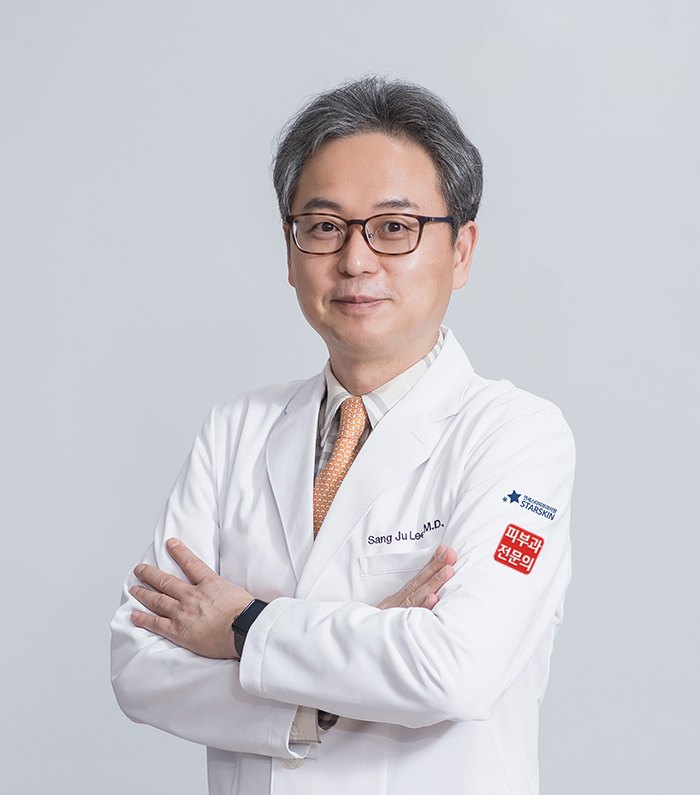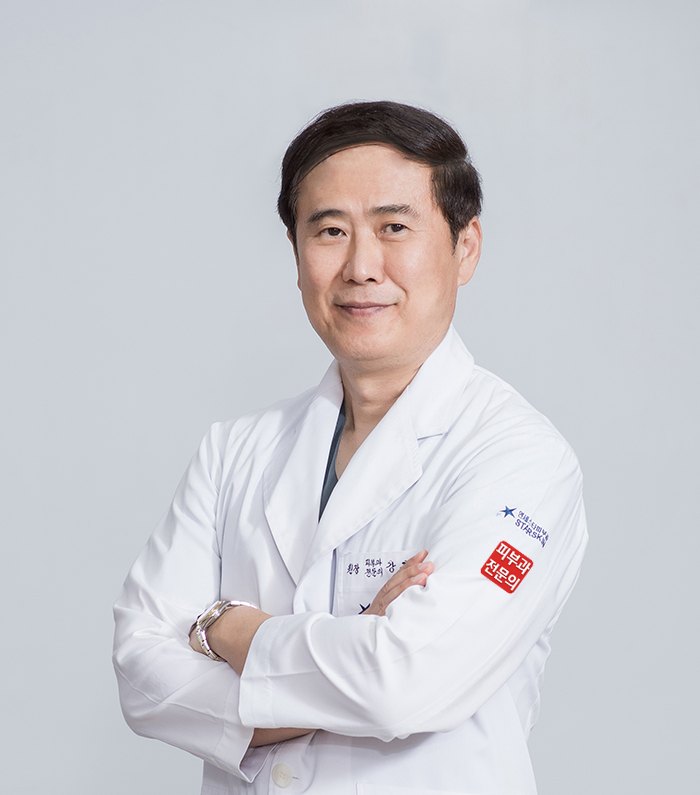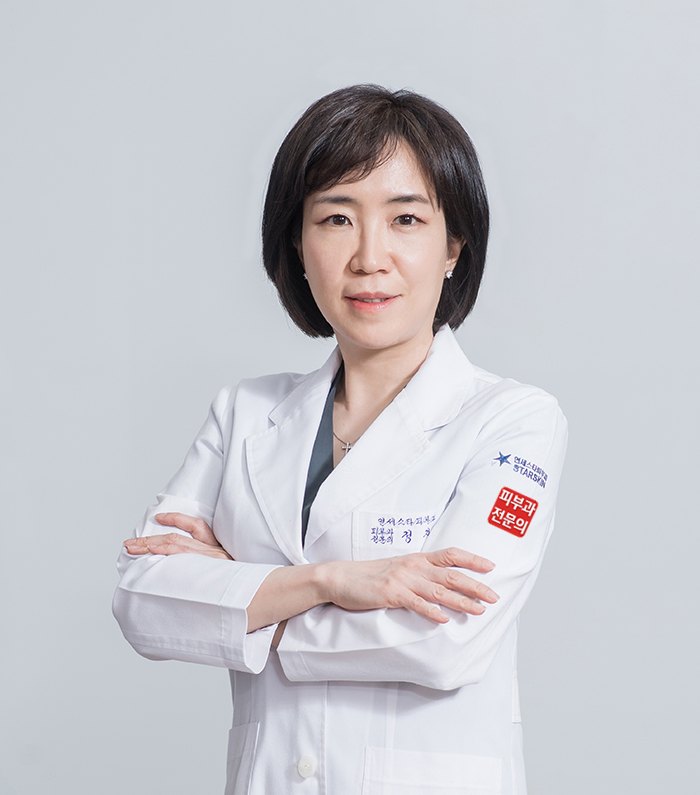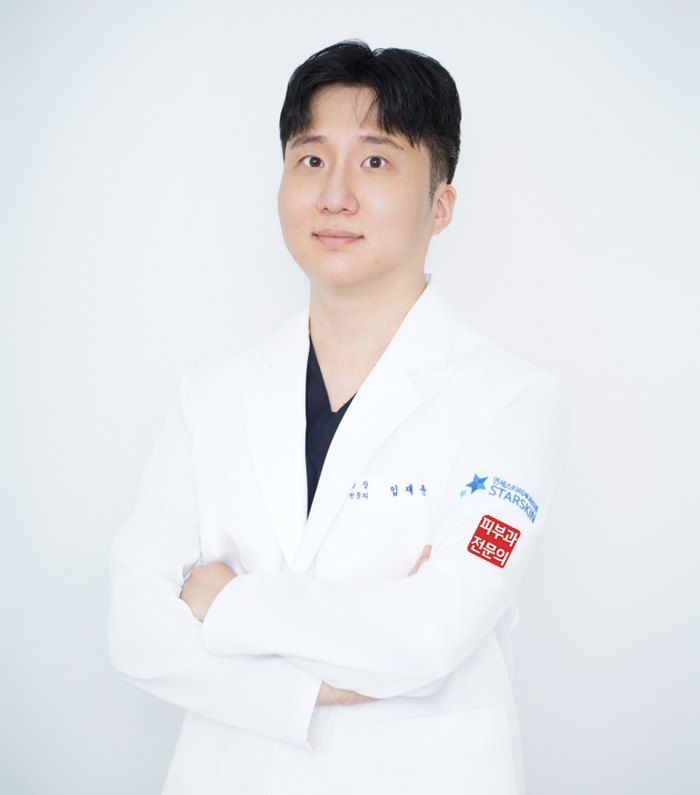
Seoul Dermatology English Speaking Specialists Guide

Fact-Checked: Korea Medical Content Team  |  Research Basis: Direct Clinic Consultations

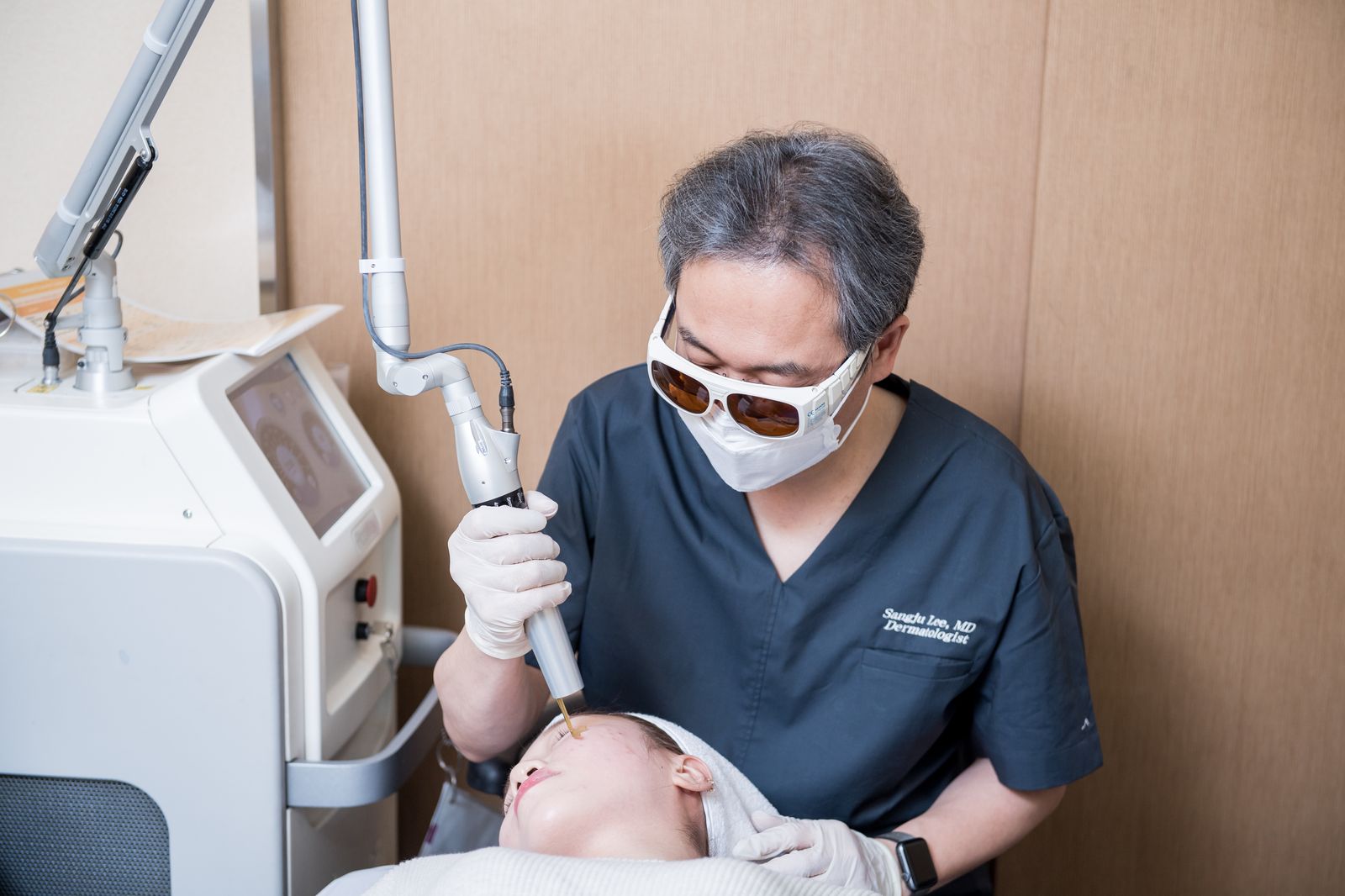
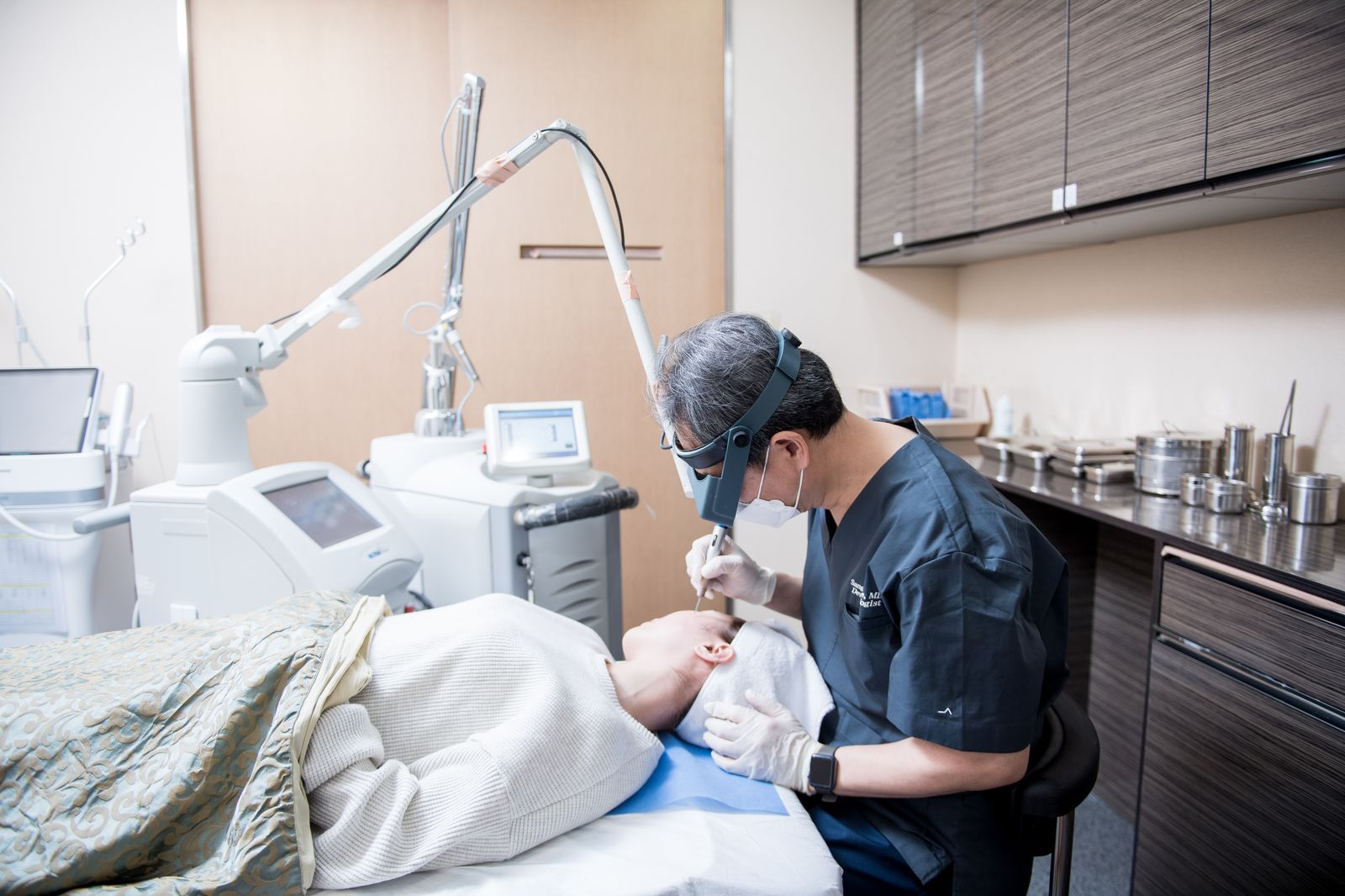
When comparing Korean clinics for Seoul dermatology English speaking specialists, the gap between patient experience and expectation can be significant depending on the district, clinic size, and staff composition. Seoul’s medical tourism sector has grown substantially in recent years, with the Korea Health Industry Development Institute reporting that skin-related treatments account for a leading share of inbound medical visits — a trend that has pushed many Gangnam-area clinics to hire dedicated English-speaking coordinators and bilingual dermatologists. For international patients, this evolution means more access than ever, but it also means a more complex landscape to navigate when choosing where to seek care. A comprehensive skin clinic seoul medical tourism guide resource can help visitors understand which facilities genuinely prioritize multilingual care standards.

Not all clinics that market themselves as “foreigner-friendly” actually have board-certified dermatologists on staff who can conduct a full consultation in English. The distinction matters enormously for YMYL-sensitive care: treatment plans, contraindications, and post-procedure instructions must be clearly understood by the patient. This guide breaks down how to compare Seoul’s English-speaking dermatology clinics by specialty, price range, service model, and practical accessibility for international visitors.

Key Insight: The most effective English-speaking dermatology clinics in Seoul differ not just in language ability but in the depth of bilingual support across every touchpoint — from booking through aftercare. Patients who prioritize clinics with a dedicated international patient coordinator, not just a translation app at the front desk, report significantly higher satisfaction outcomes. Gangnam and Sinchon districts currently host the highest concentration of genuinely bilingual dermatology teams.

Comparing Seoul Dermatology English-Speaking Clinic Models

Dedicated International Clinics vs. General Dermatology Practices

There are two primary models for English-speaking dermatology in Seoul. The first is the dedicated international clinic, often located in Gangnam-gu, which employs bilingual dermatologists and full-time English-speaking coordinators. These clinics typically charge a premium — consultation fees range from approximately ₩50,000 to ₩120,000 (roughly USD 37–90) — but provide seamless communication throughout the visit. The second model is the standard Korean clinic that employs a bilingual nurse or patient coordinator who relays information between the doctor and patient. While more affordable, translation-dependent consultations can result in nuance being lost, especially for complex conditions like melasma, rosacea, or acne scarring that require detailed history-taking. Using a clinic comparison reference can help you evaluate the strengths and limitations of each model before committing to a consultation. For

>english-speaking dermatology care in Seoul, understanding which model a clinic uses before booking is essential.

District-by-District Comparison

Gangnam remains the gold standard for English-speaking dermatology access. Clinics in the Apgujeong and Cheongdam sub-districts cater heavily to medical tourists and often provide multilingual intake forms, English-language aftercare packets, and direct doctor-to-patient consultations in English. Itaewon and Mapo districts offer a growing number of foreigner-accessible clinics at lower price points, though the depth of English fluency varies more. Sinchon, near major universities, tends to attract internationally trained dermatologists who may have completed fellowships abroad. For a broader breakdown of how these districts compare for skin treatment, this Gangnam dermatology clinic comparison guide provides useful context across multiple specialties and price tiers.

How to Evaluate Seoul’s English-Speaking Dermatologists

Credentials and Training to Look For

Board certification from the Korean Dermatological Association is the baseline credential. However, for English-speaking patients, an additional strong indicator is whether the specialist completed any portion of their training abroad or has published in international journals. Clinics affiliated with academic hospitals such as Seoul National University Hospital or Severance Hospital typically have faculty who meet this standard. The American Academy of Dermatology offers a useful reference point for understanding global dermatology standards and what to expect from a board-certified specialist consultation. International patients can cross-reference the scope of services offered in Seoul against AAD-recognized treatment protocols to assess whether a clinic’s offerings align with evidence-based medicine.

Pricing Benchmarks for Common Treatments

Understanding price ranges across English-speaking clinics helps patients set realistic budgets. Below are approximate current ranges observed across Seoul’s major dermatology districts: laser toning (for pigmentation) ₩80,000–₩180,000 per session (USD 60–135); chemical peels ₩60,000–₩150,000 (USD 45–113); full-face fractional laser resurfacing ₩250,000–₩600,000 (USD 188–450); Botox per area ₩50,000–₩150,000 (USD 37–113); filler per syringe ₩250,000–₩500,000 (USD 188–375). Clinics catering to international patients tend to price at the mid-to-upper end of these ranges but often include English-language consultation and aftercare as part of the package. For patients exploring skin clinic options designed for foreign patients, comparing package inclusions is often more revealing than comparing headline prices alone.

Comparing Consultation Standards Across Clinics

What a Quality English-Language Dermatology Consultation Should Include

A thorough consultation at a reputable Seoul dermatology clinic — regardless of language — should include a skin analysis using imaging tools (such as Visia or similar systems), a complete medical history intake, discussion of contraindications, a proposed treatment plan with realistic outcome expectations, and written post-procedure guidelines. In English-speaking clinics, all of this should be conducted directly with the dermatologist rather than relayed through a coordinator. The Korea Health Industry Development Institute sets guidelines for medical tourism service standards, including language support requirements for JCI-accredited and government-registered medical tourism facilities — a certification worth checking before booking. Patients who reference these standards during clinic research tend to make better-informed choices.

Red Flags and Quality Indicators

Key red flags include clinics that provide consultation only in Korean with a brief summary translation, no written aftercare instructions in English, and no clear disclosure of the treating physician’s credentials. Quality indicators include: a named, credentialed English-speaking dermatologist listed on the clinic website; verifiable patient reviews from international travelers; and transparent pricing with itemized treatment quotes provided in writing. For additional clinic research support, this Korean clinic review resource aggregates verified patient feedback and clinic details useful for cross-referencing before making an appointment. Pairing independent review platforms with official government standards gives patients the most complete picture. Patients researching dermatologists in Seoul with verified English fluency should request a pre-visit phone or video consultation to confirm communication quality directly.

How to Choose the Right Clinic

Selecting the right Seoul dermatology English speaking specialist requires a structured approach rather than relying on marketing language alone. Start by identifying your primary skin concern — whether it is medical (acne, eczema, psoriasis) or aesthetic (pigmentation, anti-aging, scarring) — since some clinics specialize heavily in one area. Next, confirm the dermatologist’s credentials and English fluency directly, ideally via a brief introductory call or email exchange before committing to an appointment. Request an itemized quote in writing for all anticipated treatments and confirm what is included in the consultation fee. Check whether the clinic is registered with the Korean Ministry of Health and Welfare’s medical tourism program, which indicates compliance with minimum service standards. Finally, review aftercare policies, particularly if your stay in Seoul is short — reliable remote follow-up via email or messaging can be a deciding factor for medical tourists who need continued support after returning home. See also about botox jaw reduction korea: cost, results & clinics.

Frequently Asked Questions

Are there truly English-speaking dermatologists in Seoul, not just coordinators?

Yes, Seoul has a growing number of board-certified dermatologists who are genuinely fluent in English, particularly in Gangnam’s Apgujeong and Cheongdam areas and near major university hospitals. The key is to confirm fluency directly before booking rather than assuming a clinic’s “international-friendly” label guarantees doctor-level English. Asking specifically whether the treating physician — not the coordinator — speaks English is the most reliable approach. See also dermatology clinic ratings in gangnam: 2026 guide guide.

What is the typical cost of an English-speaking dermatology consultation in Seoul?

Consultation fees at English-speaking dermatology clinics in Seoul generally range from ₩50,000 to ₩120,000 (approximately USD 37–90), which is often higher than consultations at standard Korean clinics. Many clinics waive or discount the consultation fee if you proceed with treatment on the same visit. Always confirm whether the consultation fee is separate from diagnostic tool usage fees.

How do I find a Seoul dermatologist who specializes in treating non-Asian skin types?

Look for clinics that explicitly list international patient services and have posted reviews from patients of diverse ethnic backgrounds. Dermatologists who trained internationally or completed fellowships in the US, Europe, or Australia are generally more experienced with a range of skin phototypes. University hospital-affiliated clinics tend to have the broadest experience across all skin types due to their academic and research exposure. learn more.

Do Seoul dermatology clinics provide written aftercare instructions in English?

Reputable international-oriented clinics do provide written English aftercare instructions, though the quality varies. Higher-end Gangnam clinics typically produce printed aftercare sheets and may also send digital versions by email. It is wise to confirm this before your procedure and, if needed, request that the coordinator translate and print aftercare instructions in English on the day of treatment. Related guide: best rhinoplasty korea review: costs, clinics & results.

Is it safe to undergo dermatology treatments as a tourist with a short stay in Seoul?

Many non-invasive dermatology treatments — such as laser toning, chemical peels, and Botox — involve minimal to no downtime and are considered safe for medical tourists with short itineraries. More intensive treatments like fractional laser resurfacing may require a few days of recovery and a brief follow-up check, so scheduling these early in your trip is advisable. Always discuss your departure timeline openly with your dermatologist so they can tailor the treatment plan accordingly. specialist.

Related Articles

Disclosure: This comparison guide reflects general information and is not a substitute for professional medical consultation. Treatment suitability depends on individual assessment by a qualified practitioner.
Editorial Standards: Seoul Dermatology Center delivers comparison-based medical tourism content reviewed against official Korean health authority data and verified through direct clinic communication.


Related Categories

Recommended Reading


External Resources

Other helpful resources:. dermatology center cheongdam: guide for international patients.


Leave a Comment