Editorially Reviewed: Korea Medical Tourism Desk | Patient Focus: International Medical Travelers
What Is a Seoul Skin Clinic?
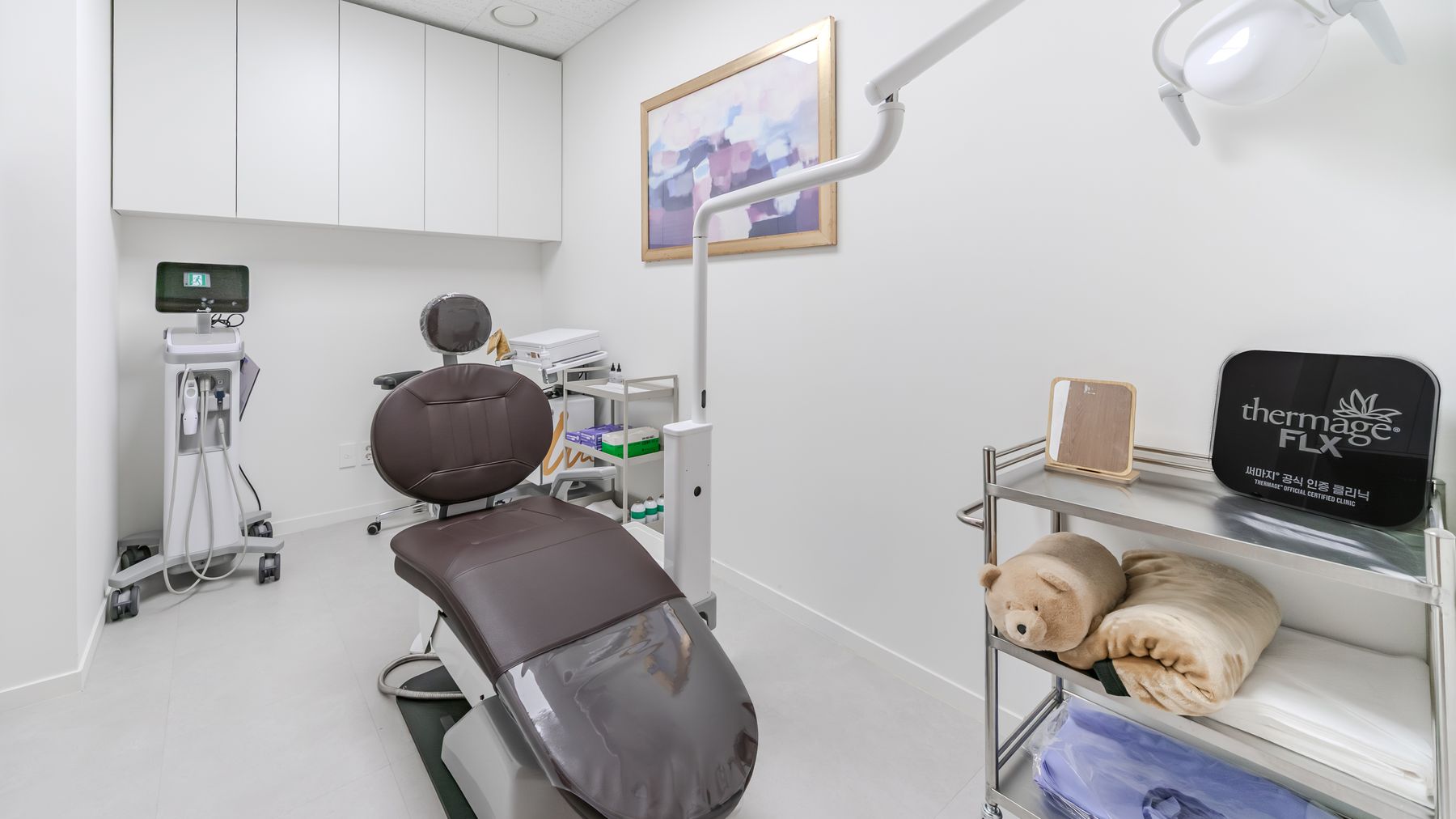
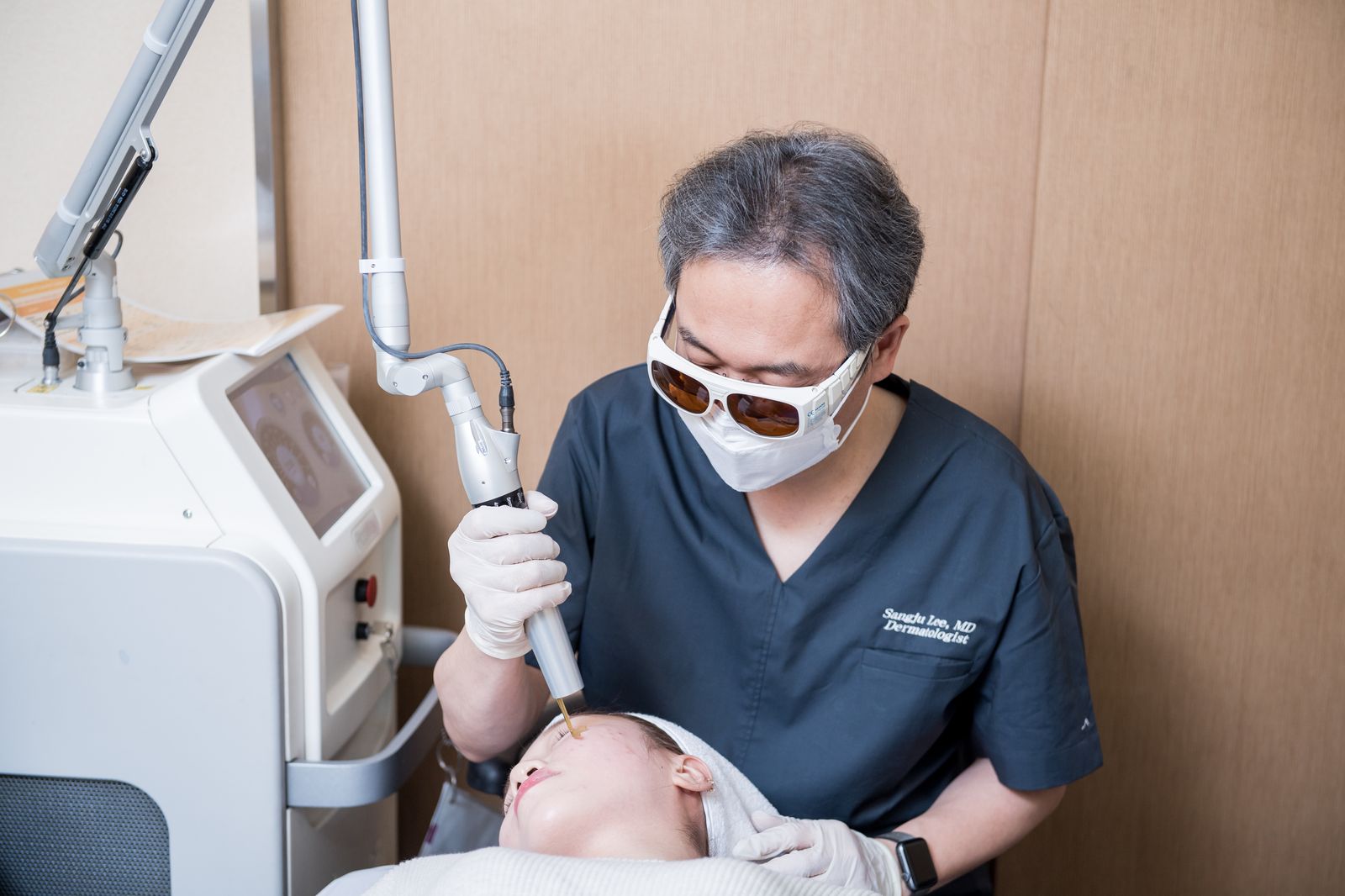
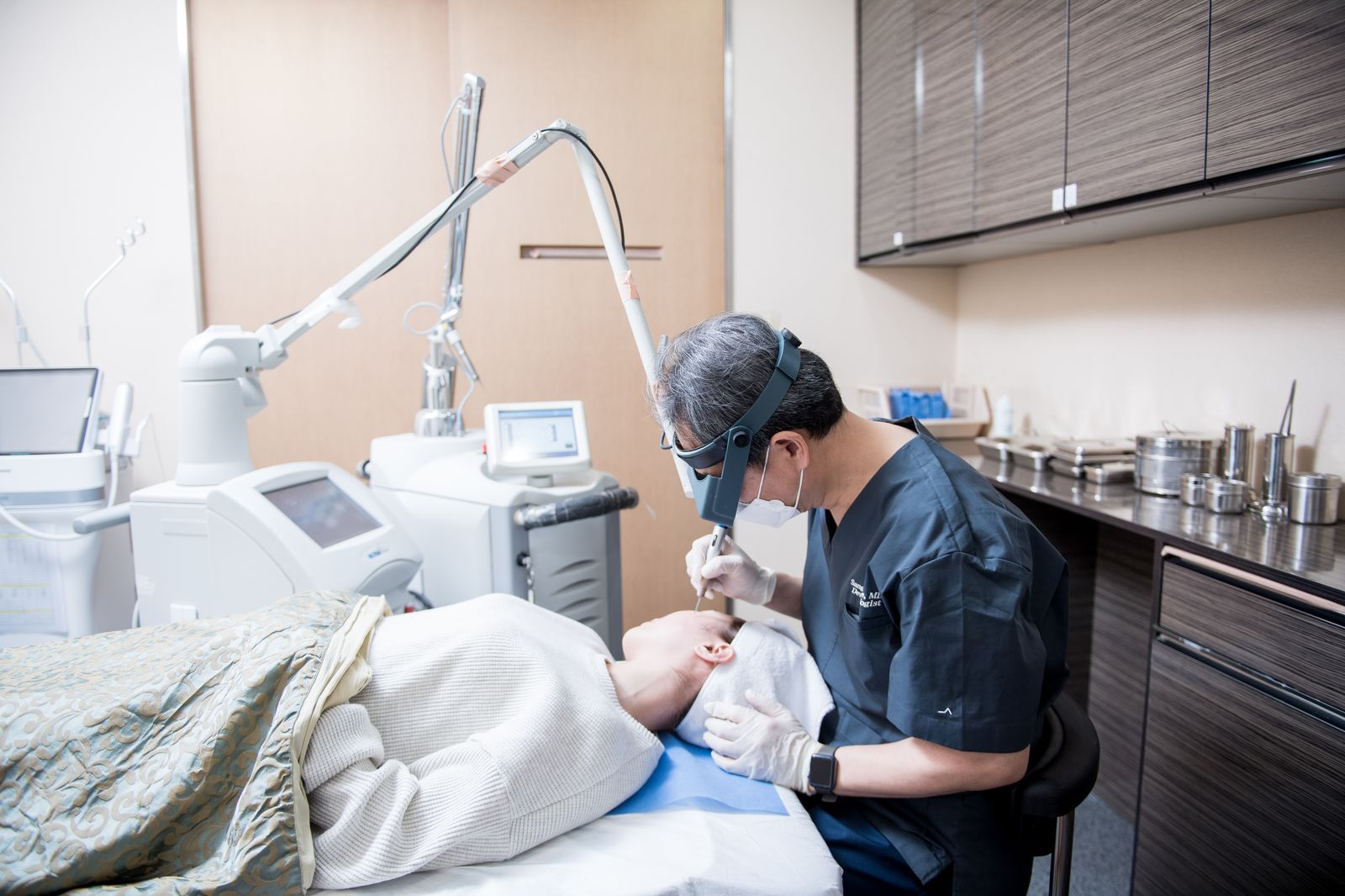
A Seoul skin clinic is a specialized medical facility offering dermatological and aesthetic skin treatments, operated by licensed Korean dermatologists and skin care physicians primarily in districts such as Gangnam, Apgujeong, Cheongdam, and Myeongdong. These clinics typically provide procedures including laser resurfacing, pigmentation correction, acne treatment, skin brightening, anti-aging therapies, and prescription-grade skincare consultations. Treatment costs range broadly from 50,000 KRW (approximately USD 38) for basic consultations to 3,500,000 KRW (approximately USD 2,650) for advanced combination laser sessions, depending on the procedure type and clinic tier. Most single-session treatments are completed within 30 to 90 minutes, and many procedures involve minimal to no downtime, making them practical for medical tourists with limited time in Korea. Korea’s Ministry of Health and Welfare reports that dermatological and aesthetic treatments consistently rank among the most sought-after services by international patients visiting the country, with skin-related procedures comprising a significant share of medical tourism visits annually. English-language consultation services are widely available at clinics catering to foreign patients, particularly in the Gangnam district.
International patients arriving in Seoul often report that the density and quality of skin clinics here is unlike anything available in their home countries. The combination of cutting-edge technology, highly trained board-certified dermatologists, and competitive pricing has positioned Seoul as a global destination for skin care. Whether patients are seeking treatment for chronic skin conditions, post-acne scarring, hyperpigmentation, or preventive anti-aging care, the breadth of options at a Seoul skin clinic is extensive and well-suited to diverse skin types and concerns.
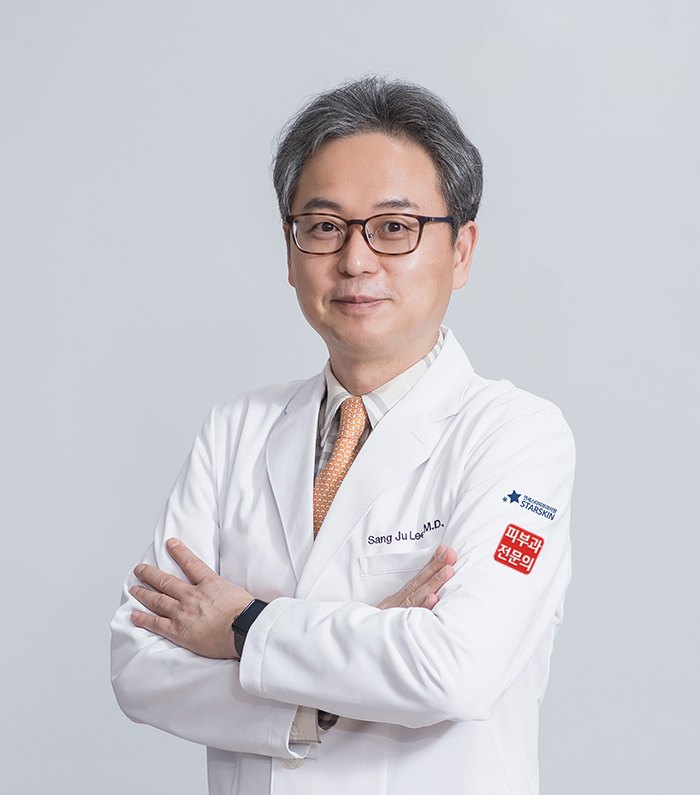
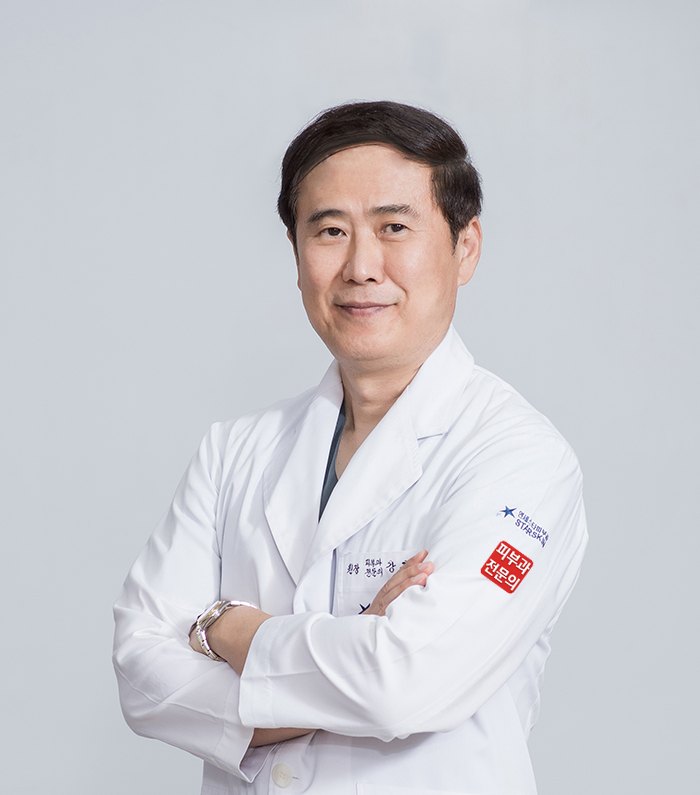
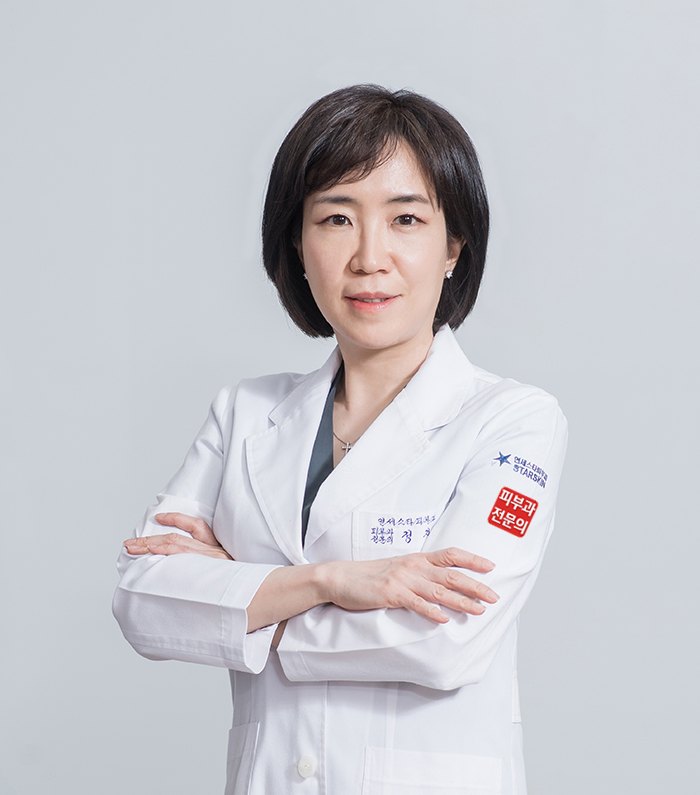
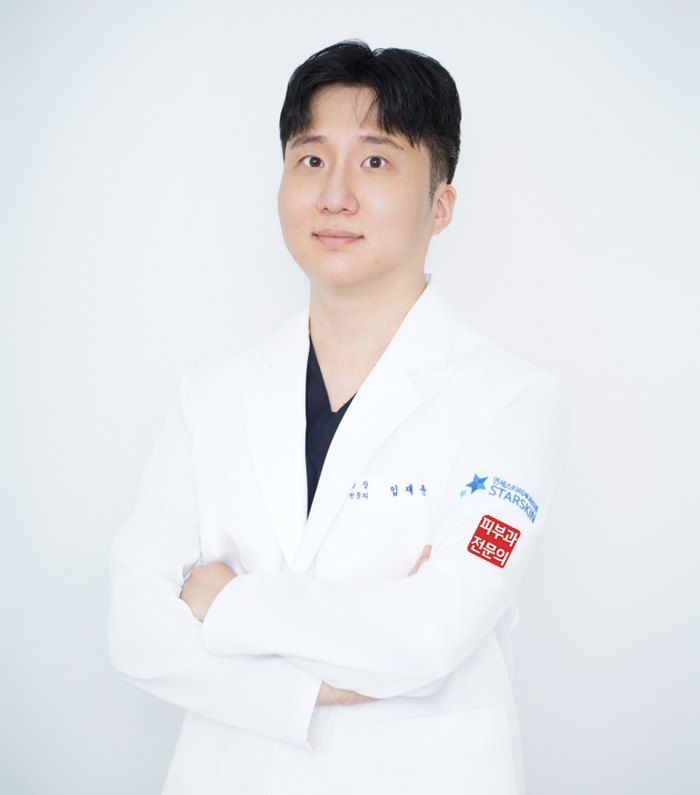
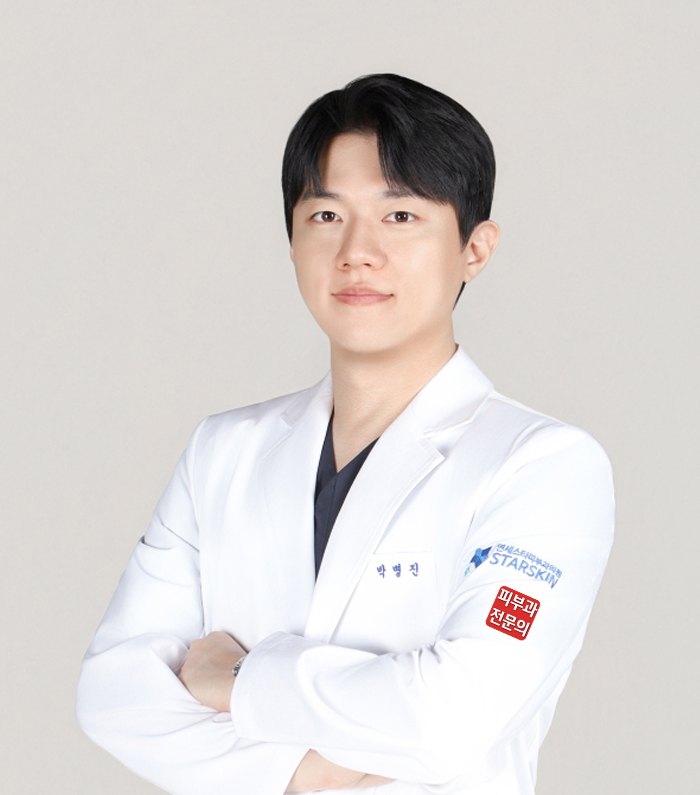
Clinical Perspective: A board-certified dermatologist practicing in Gangnam notes: “International patients are often surprised by how individualized treatment protocols are here — we assess skin type, tone, and underlying conditions before recommending any procedure, which is why results tend to be more consistent than patients experience elsewhere.”
What Patients Experience at a Seoul Skin Clinic
The Initial Consultation Process
Most Seoul skin clinics follow a structured consultation model before any treatment begins. Patients typically complete a skin analysis using diagnostic imaging equipment such as VISIA or similar systems, which assess pore size, pigmentation depth, wrinkle formation, and UV damage. This data-driven approach allows clinicians to recommend precise treatment combinations rather than generic protocols. At clinics specializing in international patients, consultations are conducted in English, and written treatment summaries are often provided in the patient’s preferred language. Consultation fees range from 30,000 to 80,000 KRW (USD 23 to 61), and many clinics waive this fee if the patient proceeds with a recommended treatment. For patients researching options before arriving in Korea, the best dermatologist in Seoul guide provides a useful starting framework for understanding what to expect from top-tier practitioners.
Common Treatments Offered
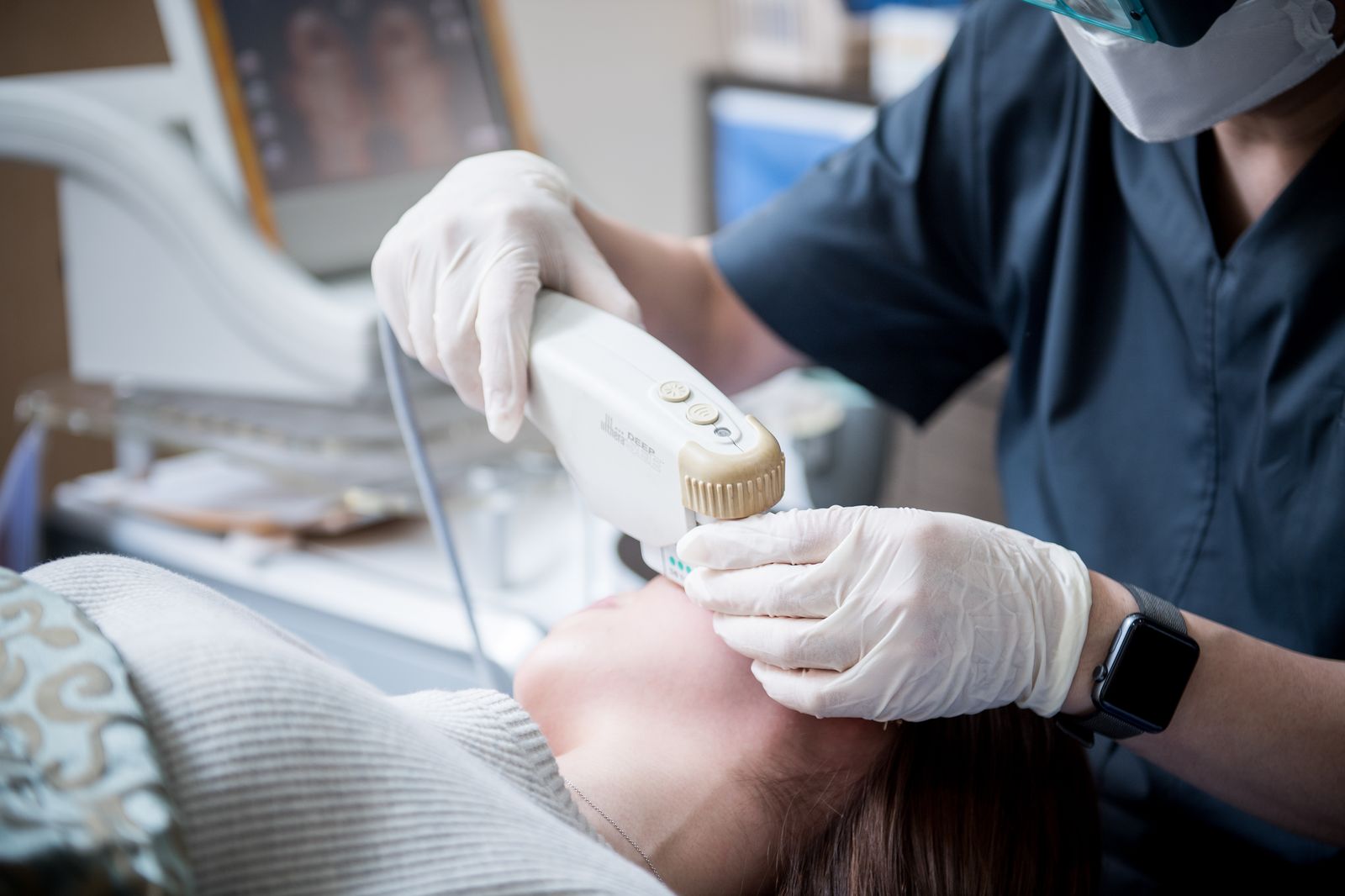
Seoul skin clinics offer an extensive menu of treatments that spans both medical dermatology and aesthetic procedures. Laser toning for pigmentation typically costs 80,000 to 200,000 KRW (USD 61 to 152) per session, while fractional CO2 laser resurfacing for acne scars ranges from 300,000 to 800,000 KRW (USD 228 to 608) per session. Rejuran Healer injections, a popular poly-nucleotide skin regeneration treatment, are priced between 250,000 and 600,000 KRW (USD 190 to 456). Pico laser treatments for sun damage and melasma typically range from 150,000 to 400,000 KRW (USD 114 to 304) per session. Research published by the National Center for Biotechnology Information (NCBI) supports the clinical efficacy of several laser modalities widely used in Korean skin clinics for treating hyperpigmentation and post-inflammatory scarring, reinforcing why these treatments have become internationally sought-after. Patients interested in understanding how costs compare across procedure types can also explore the skin treatment Korea cost guide for detailed pricing breakdowns.
Aftercare and Follow-Up Protocols
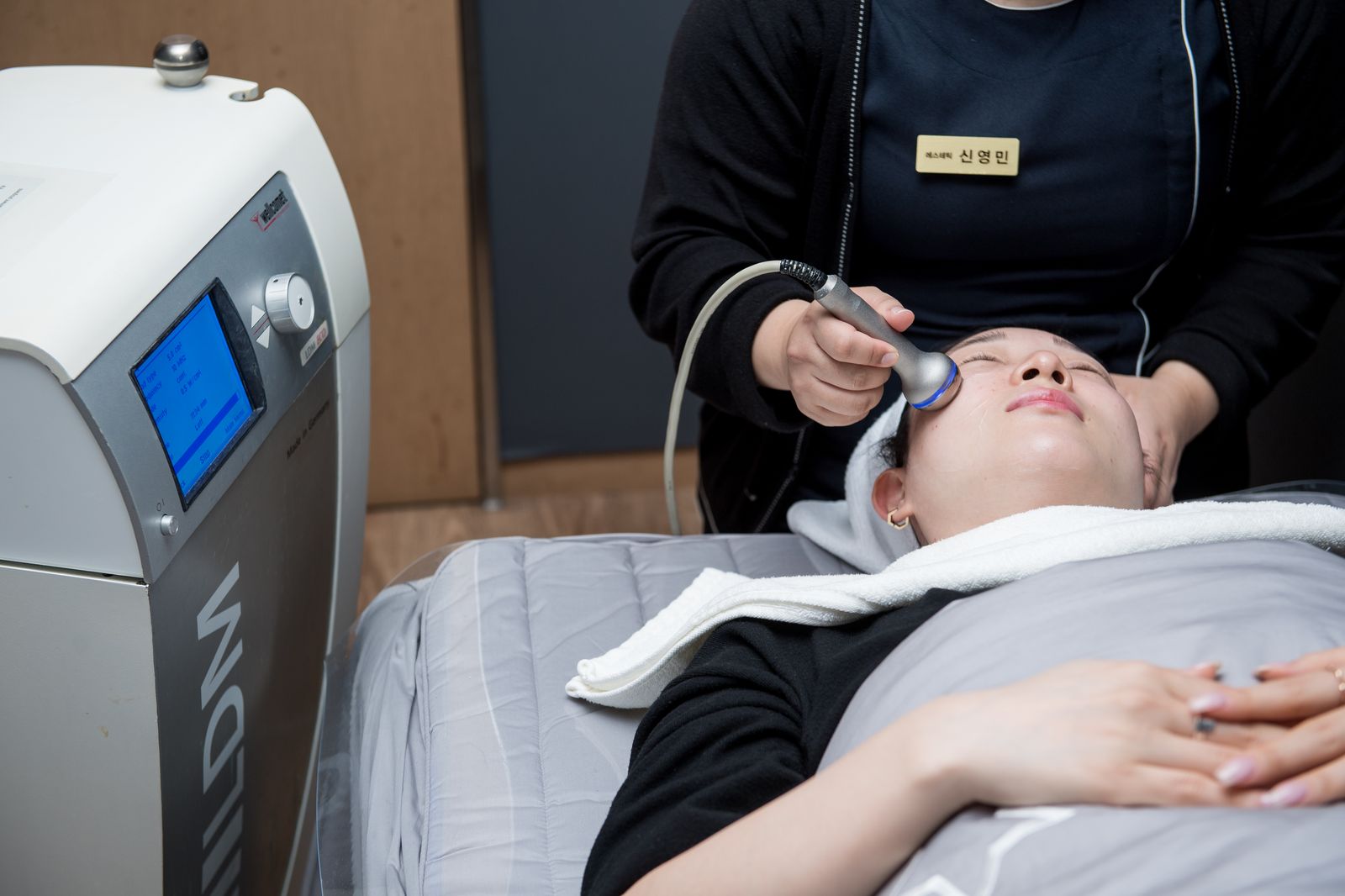
One distinguishing feature of the Seoul skin clinic experience is the emphasis on structured aftercare. Most clinics provide written post-treatment instructions, a starter kit of prescribed medical-grade skincare products, and at least one follow-up consultation included in the treatment price. Patients undergoing more intensive procedures such as fractional laser or chemical peels may receive soothing mask treatments immediately after the procedure to reduce redness and accelerate healing. Downtime for most popular aesthetic procedures ranges from zero to five days. Clinics that regularly treat international patients often schedule follow-up consultations via video call for patients who have returned to their home countries, ensuring continuity of care. See also gangnam skin clinic: expert guide for patients.
Your Seoul Skin Clinic Journey in Korea
Choosing the Right District
Gangnam-gu remains the premier destination for Seoul skin clinics, hosting hundreds of licensed dermatology practices ranging from boutique single-physician clinics to multi-floor aesthetic centers. Apgujeong-dong within Gangnam is particularly known for its concentration of clinics serving high-end clientele including international patients and Korean celebrities. Myeongdong and Hongdae are also home to a growing number of skin clinics popular with younger international visitors due to their accessibility and English-friendly staff. Patients who prioritize board certification and hospital-affiliated oversight may find clinics associated with institutions such as Seoul National University Hospital to be a trusted reference point when evaluating the qualifications of individual practitioners. Additional reviews and ratings for specific clinic experiences across these districts are covered in the dermatology Seoul reviews guide.
What to Bring and Prepare
International patients should bring a clear record of any existing skin conditions, previous treatments, known allergies to topical agents or injectable substances, and a list of current medications. Patients with active skin infections, open wounds, or recently tanned skin may be advised to postpone certain laser treatments. Most clinics recommend arriving without makeup for a skin consultation. Those planning multiple sessions over several days should book clinic appointments before traveling to Seoul to avoid scheduling gaps. For a broader understanding of dermatological care standards across Korea, the American Academy of Dermatology offers internationally recognized guidance on what constitutes safe and effective skin treatment protocols. Patients can also review the dermatology clinic Seoul guide for a full overview of what leading clinics offer.
What International Patients Should Know
- Book consultations in advance: Popular Gangnam skin clinics often have wait times of several days, especially during peak travel seasons. Online pre-booking through official clinic websites is recommended.
- Request itemized treatment quotes: Ask for a written breakdown of all costs including consultation, procedure, post-care products, and follow-up visits before agreeing to any treatment.
- Verify practitioner credentials: Confirm that the physician performing your treatment holds a Korean Board of Dermatology certification and is not a delegated aesthetician for medical procedures.
- Plan for possible multiple sessions: Many skin concerns such as melasma, acne scarring, or pigmentation require 3 to 6 sessions spaced 2 to 4 weeks apart for optimal results.
- Sun protection is non-negotiable: After most laser and pigmentation treatments, strict SPF 50+ sun avoidance is required for several weeks to prevent rebound pigmentation.
Frequently Asked Questions
How much does a Seoul skin clinic treatment cost?
Costs vary significantly by treatment type. Basic consultations start around 30,000 KRW (USD 23), while popular laser treatments range from 80,000 to 800,000 KRW (USD 61 to 608) per session. Advanced combination procedures can exceed 2,000,000 KRW (USD 1,520).
Can foreigners visit a Seoul skin clinic?
Yes, foreigners are welcome at virtually all skin clinics in Seoul. Many Gangnam clinics actively cater to international patients and employ English-speaking coordinators. No special permits are required for aesthetic or dermatological treatments.
Are there English-speaking clinics for skin treatment in Seoul?
Yes. The majority of clinics in Gangnam, Apgujeong, and Cheongdam offer English-language services. Some clinics also provide translation support in Chinese, Japanese, and other languages upon request.
How many sessions are typically needed at a Seoul skin clinic?
This depends on the condition being treated. Brightening laser treatments may show noticeable results in 1 to 3 sessions, while acne scar resurfacing or melasma management typically requires 4 to 8 sessions spaced several weeks apart. See also the clinic.
What are the risks or side effects of skin clinic procedures in Korea?
Common temporary side effects include redness, mild swelling, and skin sensitivity lasting 1 to 5 days depending on the procedure. More intensive treatments carry a small risk of post-inflammatory hyperpigmentation, particularly on darker skin tones if protocols are not adjusted appropriately.
How long is recovery after treatment at a Seoul skin clinic?
Most aesthetic laser and injection treatments require zero to two days of social downtime. Intensive ablative procedures such as deep fractional CO2 laser may involve 5 to 7 days of visible healing. Clinics will advise on specific recovery expectations prior to treatment.
Is treatment at a Seoul skin clinic better than in other countries?
Korea is widely regarded as a global leader in aesthetic dermatology due to the combination of advanced equipment, highly specialized physicians, competitive pricing, and innovation in treatments such as Rejuran and various laser protocols. Many international patients report significantly better results per cost compared to home country clinics. Related guide: clinics with english speaking staff korea guide details.
Does insurance cover Seoul skin clinic treatments?
Most aesthetic skin clinic treatments are not covered by Korean national health insurance or international travel insurance. Medical treatments for diagnosed skin conditions such as severe acne or eczema may qualify for partial domestic coverage, but cosmetic procedures are typically out-of-pocket expenses.
How do I book an appointment at a Seoul skin clinic?
Most clinics offer online booking through their official websites, and many can be reached via messaging apps. Booking 1 to 2 weeks in advance is recommended for popular clinics. Some medical tourism facilitators also assist with scheduling and translation for international patients. rejuran seoul: cost, clinics & what to expect.
Do I need a medical visa for skin clinic treatment in Korea?
A standard tourist visa or visa-free entry is sufficient for most aesthetic skin treatments in Korea. A medical visa (C-3-3) is available for patients requiring extended stays for ongoing treatment series, but is not required for short-term cosmetic visits.
What is the best district in Seoul for a skin clinic?
Gangnam-gu, particularly the Apgujeong and Cheongdam neighborhoods, is considered the top district for premium skin clinics. Myeongdong and Hongdae offer more accessible options for budget-conscious international visitors. See also the experts.
How long should I stay in Korea for skin clinic treatments?
For single-session treatments, a 3 to 5 day visit is typically sufficient. Patients planning a series of laser or pigmentation treatments may benefit from a 2 to 4 week stay to complete multiple sessions and follow up with post-treatment skin assessments.
What aftercare is required after Seoul skin clinic procedures?
Standard aftercare includes applying prescribed barrier creams, avoiding direct sun exposure, refraining from heavy exercise for 24 to 48 hours, and using only gentle, fragrance-free cleansers. Most clinics provide a written aftercare plan and a starter product kit.
How long do Seoul skin clinic results last?
Results vary by treatment. Laser toning results for pigmentation may last 6 to 12 months with maintenance. Anti-aging injectable treatments such as Rejuran typically maintain visible improvement for 6 to 9 months. Scar treatment results from fractional laser are generally long-lasting as they involve structural skin remodeling.
Are Seoul skin clinic prices negotiable?
Prices at established dermatology clinics are generally fixed and displayed on treatment menus. Package deals combining multiple sessions are commonly offered and represent the best value. Some clinics offer promotional pricing for first-time international patients or seasonal treatment bundles. learn about best skin clinic in seoul for foreigners.
Related Articles
- Best Dermatologist in Seoul: Complete Guide
- Dermatology Seoul Reviews: Top Clinics Rated
- Dermatology Seoul Price: Complete Cost Guide