Top Korean Anti Aging Dermatologists: Complete Guide

“`html

Editorially Reviewed: Korea Medical Tourism Desk  |  Patient Focus: International Medical Travelers

International patients arriving in Seoul often report that Korean anti-aging dermatology surpasses what they experienced at home, both in technology and clinical precision. South Korea processes well over a million medical tourism visits annually, with skin rejuvenation and anti-aging procedures consistently ranking among the top requested treatments. The combination of world-class equipment, highly trained board-certified dermatologists, and relatively accessible pricing makes Seoul — especially the Gangnam and Apgujeong districts — a global destination for those seeking to reverse visible signs of aging. See also profhilo for men in korea: cost & treatment guide information.

Medical tourists considering Korean clinics frequently ask whether the standard of care genuinely differs from Western alternatives. The answer lies in Korea’s intense specialization culture: dermatologists here typically focus exclusively on aesthetic and therapeutic skin treatments, logging thousands of procedural hours per year in a single modality. This depth of focused expertise, combined with Korea’s early adoption of energy-based devices and biostimulator injectables, has positioned the top Korean anti aging dermatologists as true global leaders in the field. For those planning extended stays, understanding best 24 hour medical services for tourists in seoul information can help coordinate treatment schedules around travel logistics and maximize downtime between procedures.

Clinical Perspective: A board-certified dermatologist practicing in Gangnam notes: “Our patients from abroad are often surprised by how individualized each anti-aging protocol is. We assess skin structure, pigmentation patterns, and laxity simultaneously, then layer treatments rather than applying a one-size-fits-all approach — this is what drives outcomes.”

What Patients Experience When Seeking Anti-Aging Care in Seoul

The first consultation at a leading Seoul anti-aging clinic is markedly different from what most international patients expect. Rather than a brief assessment, most top-tier dermatologists dedicate 30 to 60 minutes to diagnostic imaging — including VISIA skin analysis, ultrasound-based tissue mapping, and detailed photographic documentation. This data-driven consultation helps establish a personalized treatment roadmap addressing multiple concerns simultaneously: skin laxity, fine lines, volume loss, pigmentation, and texture. For patients visiting from overseas, many clinics offer multi-day packages that sequence treatments strategically across a stay of five to ten days. Consulting a specialized treatment resource before arrival can help identify clinics that best match individual aesthetic goals and treatment preferences.

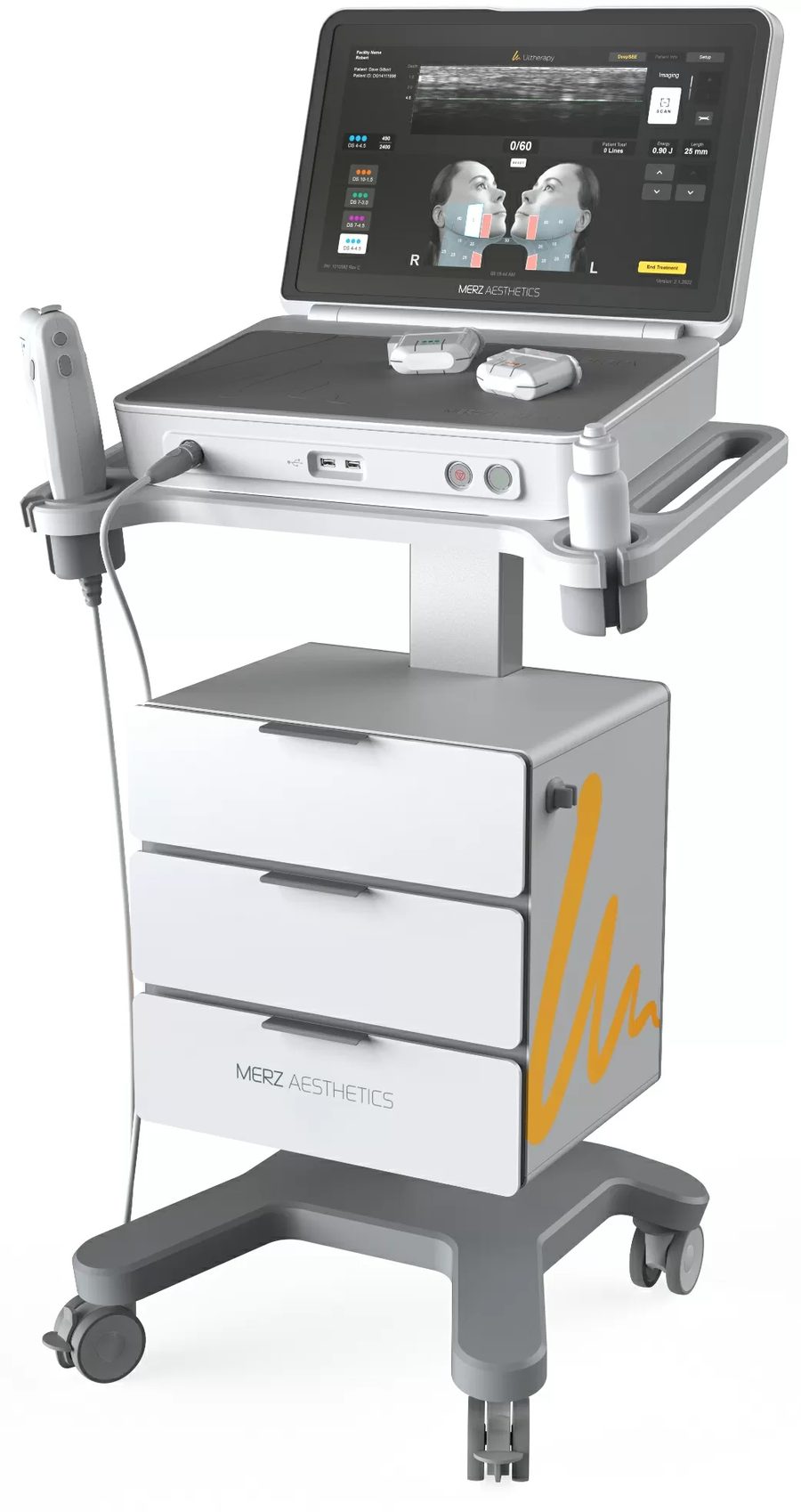
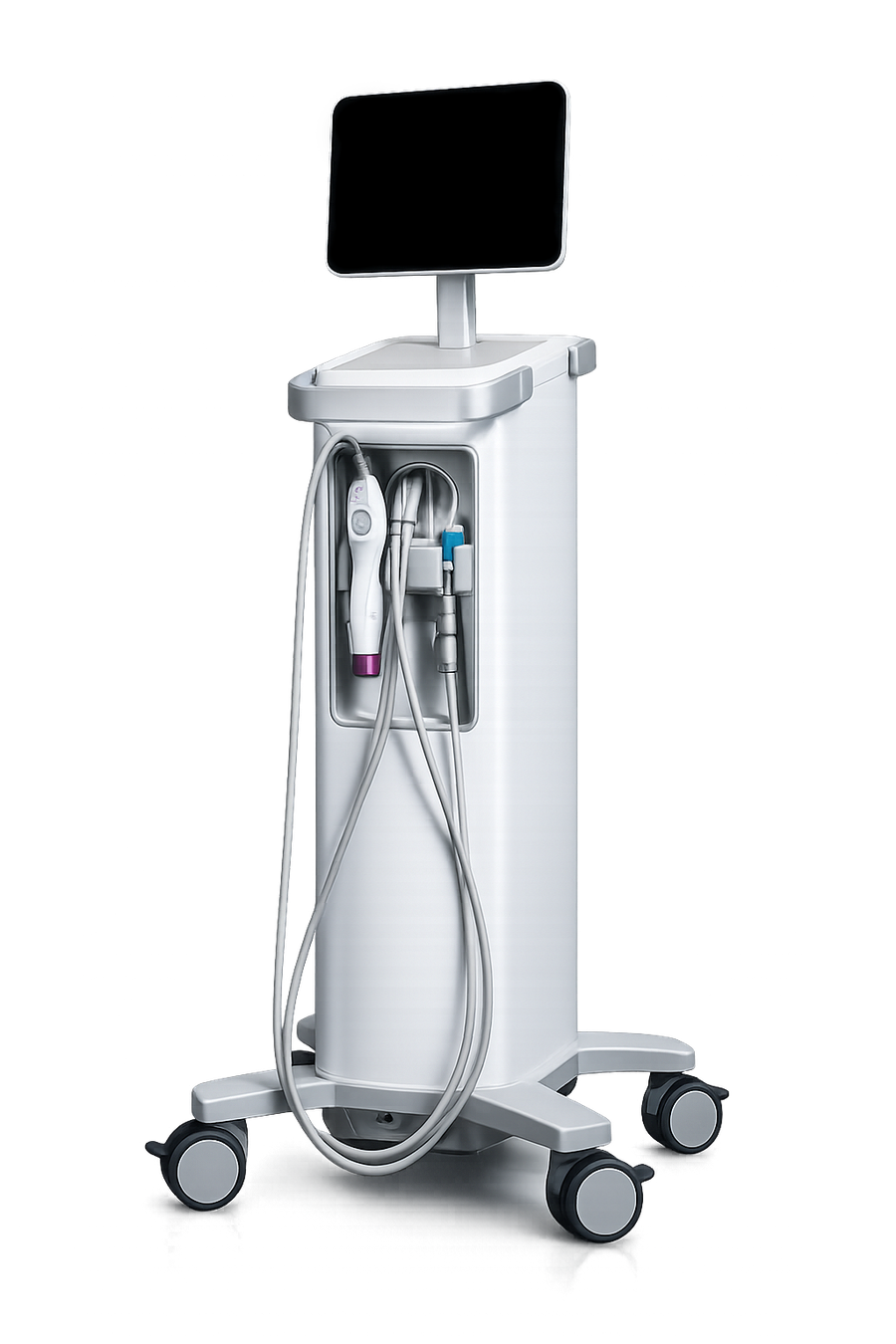
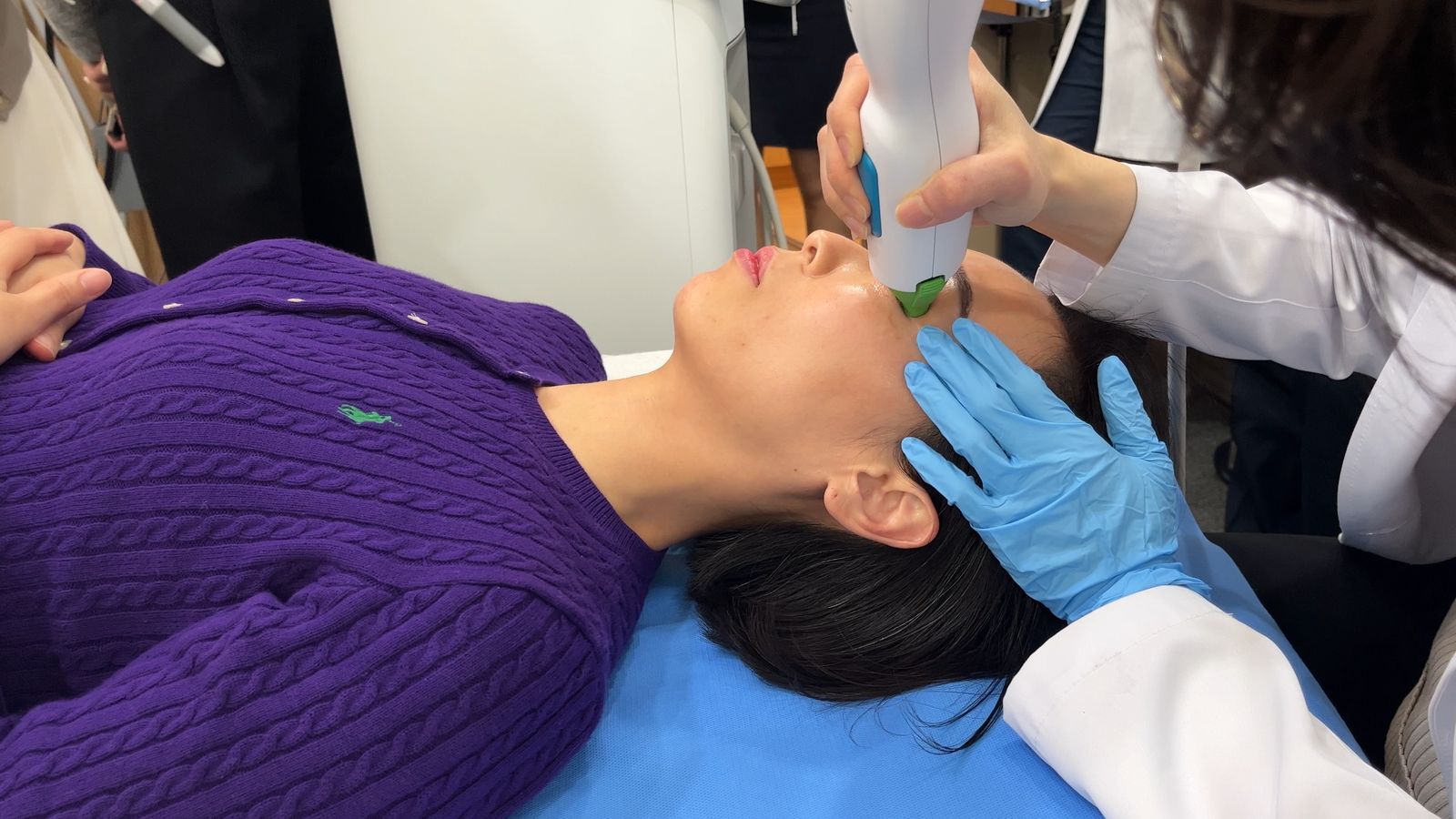
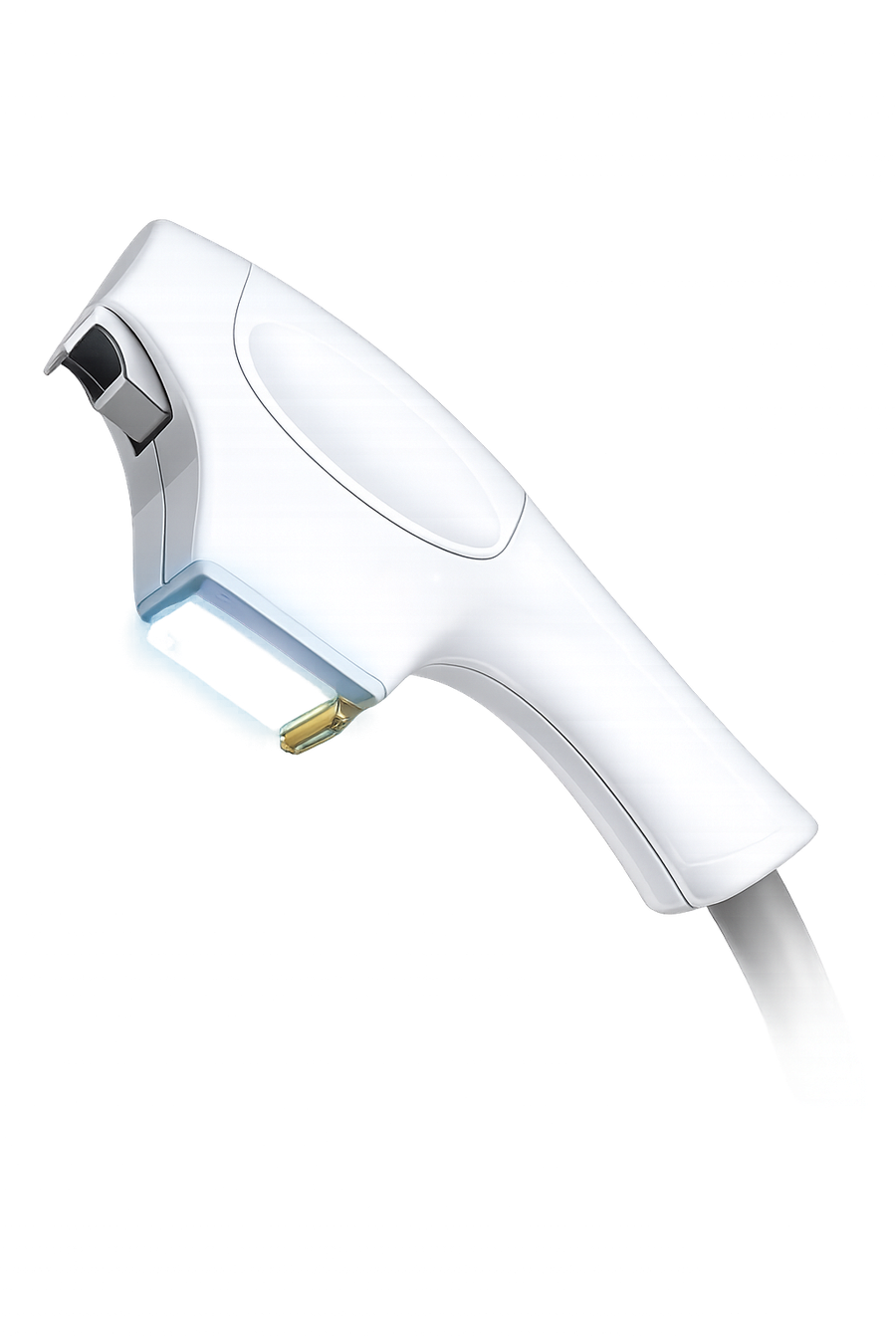
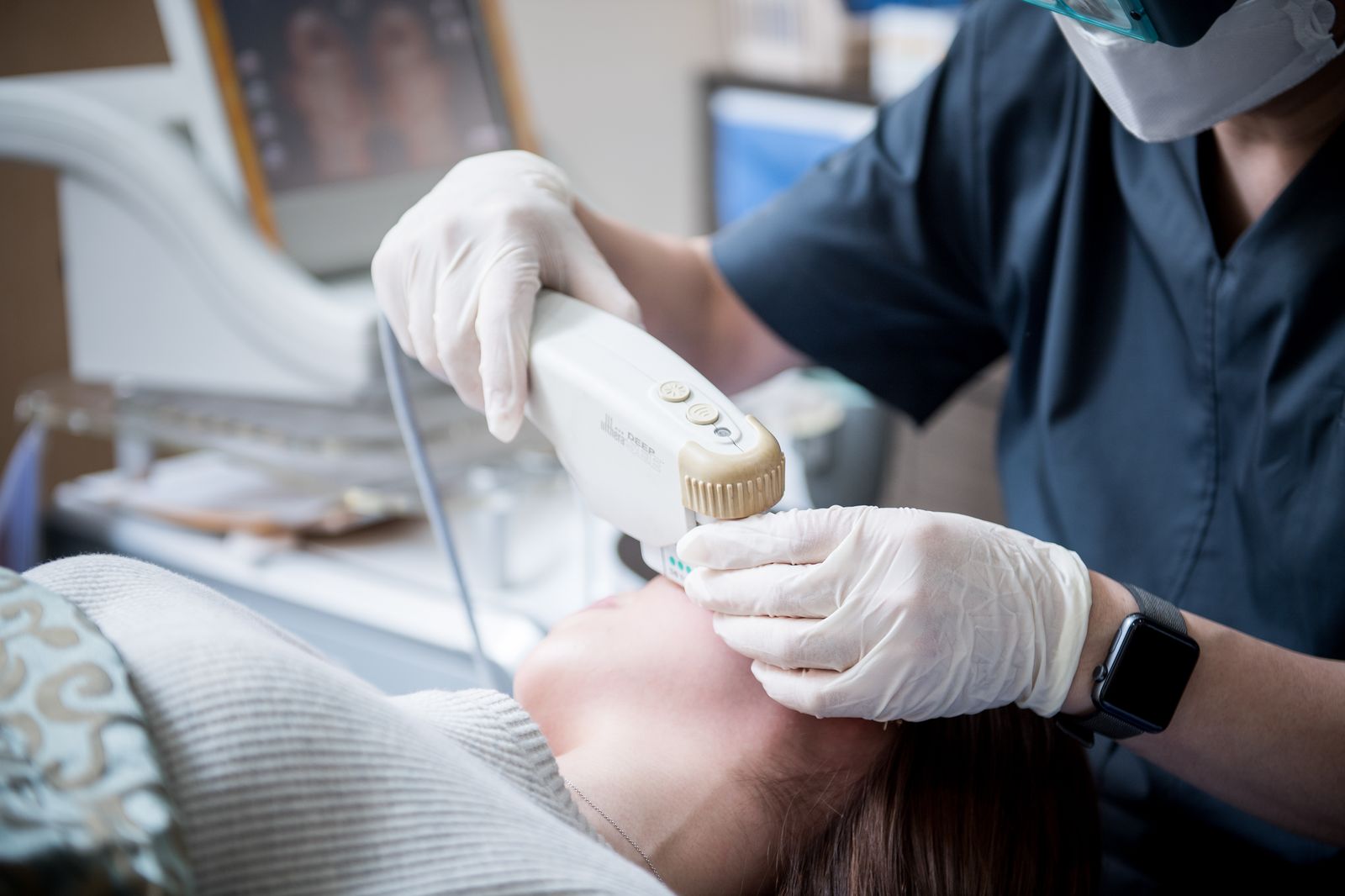
Among the most frequently requested procedures at English-speaking dermatology practices in Seoul are Thermage FLX for skin tightening, Ultherapy for focused ultrasound lifting, Poten Eye or Rejuran Healer for biostimulation, and combinations of fractional laser with HIFU (High-Intensity Focused Ultrasound). A standard Thermage FLX full-face trea

“`tment typically ranges from ₩600,000 to ₩1,500,000 (approximately $450–$1,130 USD), while a comprehensive Ultherapy session can run ₩800,000 to ₩2,000,000 ($600–$1,500 USD). These ranges vary based on clinic prestige, included follow-up care, and the number of treatment zones covered. Related guide: specialist.

Your Anti-Aging Treatment Journey in Korea

Popular Procedures and What They Address

Korean anti-aging dermatology has become sophisticated in combining multiple modalities within a single visit. Energy-based procedures such as HIFU and radiofrequency microneedling (Sylfirm X, Morpheus8 Korea) target deep structural support, while surface treatments like PRP, exosome therapy, and skin booster injections improve hydration and luminosity. Botulinum toxin (Botox or Korean equivalents such as Nabota or Meditoxin) is routinely used for forehead lines, crow’s feet, and masseter slimming, priced between ₩50,000 and ₩200,000 ($38–$150 USD) per zone. Filler treatments using hyaluronic acid for nasolabial folds, tear troughs, and lip definition range from ₩200,000 to ₩600,000 ($150–$450 USD) per syringe, depending on the brand and clinic. As highlighted in resources published by the American Academy of Dermatology, combining energy-based and injectable treatments produces synergistic results superior to single-modality approaches — a philosophy Korean clinics have embedded deeply into their protocols.

Recovery Expectations and Treatment Timelines

Most non-invasive anti-aging procedures in Seoul require minimal downtime. Botulinum toxin and skin booster injections involve no recovery time at all, with patients resuming normal activities immediately. HIFU and radiofrequency treatments may cause mild redness and swelling lasting 24 to 72 hours. Fractional laser and resurfacing procedures can involve 3 to 7 days of visible peeling, making them better suited for patients staying in Seoul for at least a week. Full collagen remodeling and tightening results from HIFU and Thermage typically manifest progressively over 2 to 6 months after treatment, which dermatologists communicate clearly during consultation to set realistic expectations. You can explore the best laser treatment centers in Gangnam for more detail on specific recovery timelines by modality.

Selecting Among the Top Korean Anti Aging Dermatologists

Credentials and Specialization to Verify

When evaluating top Korean anti aging dermatologists, patients should confirm that the physician holds a Korean Medical License (KMA-certified) and has completed dermatology board certification. The Korea Health Industry Development Institute maintains accreditation standards for medical tourism-designated facilities, and choosing a clinic with this designation adds a layer of verified quality assurance for foreign patients. Beyond licensure, look for evidence of subspecialty focus: some dermatologists specialize exclusively in skin laxity and lifting, others in pigmentation and tone correction, and still others in injectables and volume restoration. The most advanced anti-aging clinics employ multi-specialist teams rather than relying on a single generalist practitioner.

Language Access and Patient Support Services

Language accessibility is a practical priority for international visitors. Many of Seoul’s leading anti-aging dermatology clinics in the Gangnam district now employ English-speaking coordinators and translating medical staff, particularly those that have been designated as international patient hospitals. For a curated resource on clinics offering foreigner-friendly service, this specialist guide for foreigners seeking skin clinics in Seoul provides verified information on English support, consultation booking processes, and patient navigation services. Additionally, the hub resource at Korean Clinic Review offers comparative information across dermatology clinics to assist with pre-trip planning. For patients seeking additional specialist context before traveling, this Seoul dermatology resource profiles clinic types and treatment focuses across major medical districts.

What International Patients Should Know

Below are the most important practical considerations compiled from direct research across Seoul’s anti-aging dermatology landscape:

  • Book consultations in advance: Top-rated dermatologists in Gangnam and Apgujeong often have lead times of several weeks, especially for HIFU and Thermage sessions. Pre-booking before arrival is essential.
  • Request a layered treatment plan: The best clinics offer sequenced protocols across your stay rather than attempting to deliver all treatments in one session, which can overwhelm skin and delay healing.
  • Clarify device authenticity: Always confirm that the clinic uses certified, brand-name devices (Ulthera, Thermage, Sylfirm). Counterfeit or clone devices are a documented concern at budget clinics.
  • Ask about post-treatment skin care kits: Most premium Korean anti-aging clinics include a take-home medical-grade skincare kit as part of the procedure fee, which supports healing after energy-based treatments.
  • Understand combination pricing: When bundling multiple procedures, negotiate a package rate. Clinics routinely offer 10–20% discounts on bundled services for patients committing to multi-procedure visits.

Frequently Asked Questions

How do I find the best Korean anti-aging dermatologist for my concerns?

Start by identifying your primary concern — skin laxity, pigmentation, volume loss, or texture — since many top Korean dermatologists subspecialize. Research clinic websites for before-and-after portfolios, read international patient reviews on verified platforms, and look for clinics that perform a comprehensive diagnostic consultation before recommending any treatment protocol.

What does anti-aging treatment typically cost at Seoul dermatology clinics?

Pricing varies widely depending on the procedure and clinic tier. Non-invasive lifting treatments like HIFU range from ₩800,000 to ₩2,000,000 ($600–$1,500 USD), while injectables like Botox start from ₩50,000 per zone. Full anti-aging packages combining laser, HIFU, and skin boosters can range from ₩1,500,000 to ₩5,000,000 ($1,130–$3,750 USD) depending on complexity and the number of sessions included. See also our guide.

Do Korean anti-aging dermatologists speak English?

Many top-tier anti-aging clinics in Gangnam and Apgujeong have English-speaking staff or medical coordinators. Clinics holding international patient hospital designation are required to provide adequate language support. It is always advisable to confirm English availability when booking your consultation. See also experts.

How long should I stay in Seoul for anti-aging treatment?

A minimum stay of five to seven days is recommended if you are combining multiple treatments. This allows time for initial consultation, the primary treatment session, and at least one follow-up check before departure. Some patients opt for ten-day visits to incorporate energy-based, injectable, and laser treatments in a properly sequenced schedule. (https://seouldermatologycenter.com/english-speaking-dermatologist-gangnam/).

Are Korean anti-aging treatments safe for all skin tones?

Korean dermatologists have extensive experience treating all Fitzpatrick skin types, including darker tones, as their domestic patient base includes a wide range of Asian complexions. This clinical experience translates well to treating international patients of diverse ethnic backgrounds. However, always disclose your skin type and any previous treatments during the consultation to ensure appropriate device settings and laser parameters are selected. specialist.

Is medical tourism for anti-aging dermatology in Korea regulated?

Yes. South Korea’s Ministry of Health and Welfare actively regulates medical tourism, and clinics serving foreign patients must meet accreditation standards. Patients can verify a clinic’s registration status through official Korean government health portals, providing important assurance about safety and quality standards. see here.

Related Articles

Important Notice: The content on this page is intended for general educational use. Personal medical decisions should be made only after consultation with a licensed physician. Outcomes and suitability differ by individual.
About the Authors: The editorial team at Seoul Dermatology Center produces patient-focused guides for international medical travelers, combining direct clinic research with official Korean health resources.


Related Categories

Recommended Reading


External Resources

For more information about Korean medical services, visit


Leave a Comment