Ultherapy Seoul: Complete Guide for Patients

Editorially Reviewed: Korea Medical Tourism Desk  |  Patient Focus: International Medical Travelers

Ultherapy in Seoul is a non-invasive ultrasound skin-lifting procedure performed by board-certified dermatologists primarily in the Gangnam, Apgujeong, and Cheongdam districts. The treatment uses focused ultrasound energy to stimulate collagen production deep within the skin’s foundational layers — including the SMAS layer typically addressed in surgical facelifts — without any incisions or downtime. Costs in Seoul typically range from 500,000 to 2,500,000 KRW (approximately USD 370 to 1,900), depending on the treatment area, the number of transducer lines used, and the clinic’s positioning. Most patients complete a single session lasting 60 to 90 minutes and begin noticing visible skin tightening within 4 to 8 weeks, with full collagen remodeling continuing for up to 6 months post-treatment. Notably, South Korea is one of the highest-volume markets globally for FDA-cleared energy-based skin devices, and Ultherapy holds both FDA clearance and Korean MFDS approval for non-surgical brow lifting and facial skin tightening.

International patients arriving in Seoul often report being surprised by both the quality and affordability of Ultherapy compared to home-country pricing. Medical tourists considering Korean clinics for this procedure frequently ask about English-language support, safety standards, and how to identify reputable providers. Seoul’s major aesthetic districts offer a high concentration of clinics experienced with foreign patients, including dedicated coordinators who assist with pre-consultation, treatment day logistics, and aftercare follow-up. This guide covers everything you need to plan your Ultherapy treatment in Seoul with confidence. hyperpigmentation treatment: korean dermatologist guide information.

Clinical Perspective: A board-certified dermatologist practicing in Gangnam notes: “Ultherapy remains one of our most requested treatments among international patients because it requires no recovery period — visitors can often undergo treatment and continue their travel itinerary the same day. Proper patient selection and transducer depth calibration are the most critical factors for consistent outcomes.”

How Ultherapy Works and What to Expect in Seoul

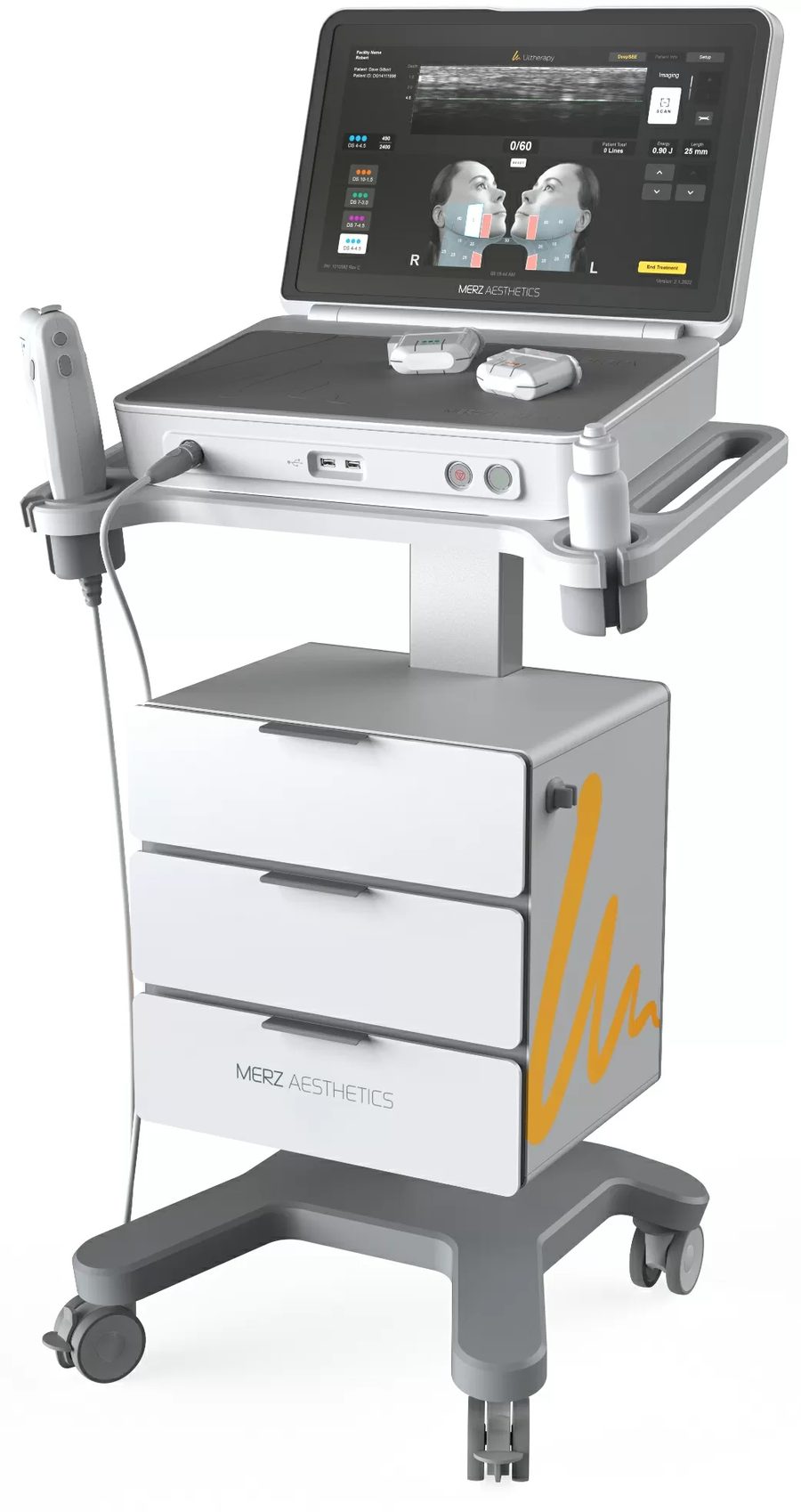
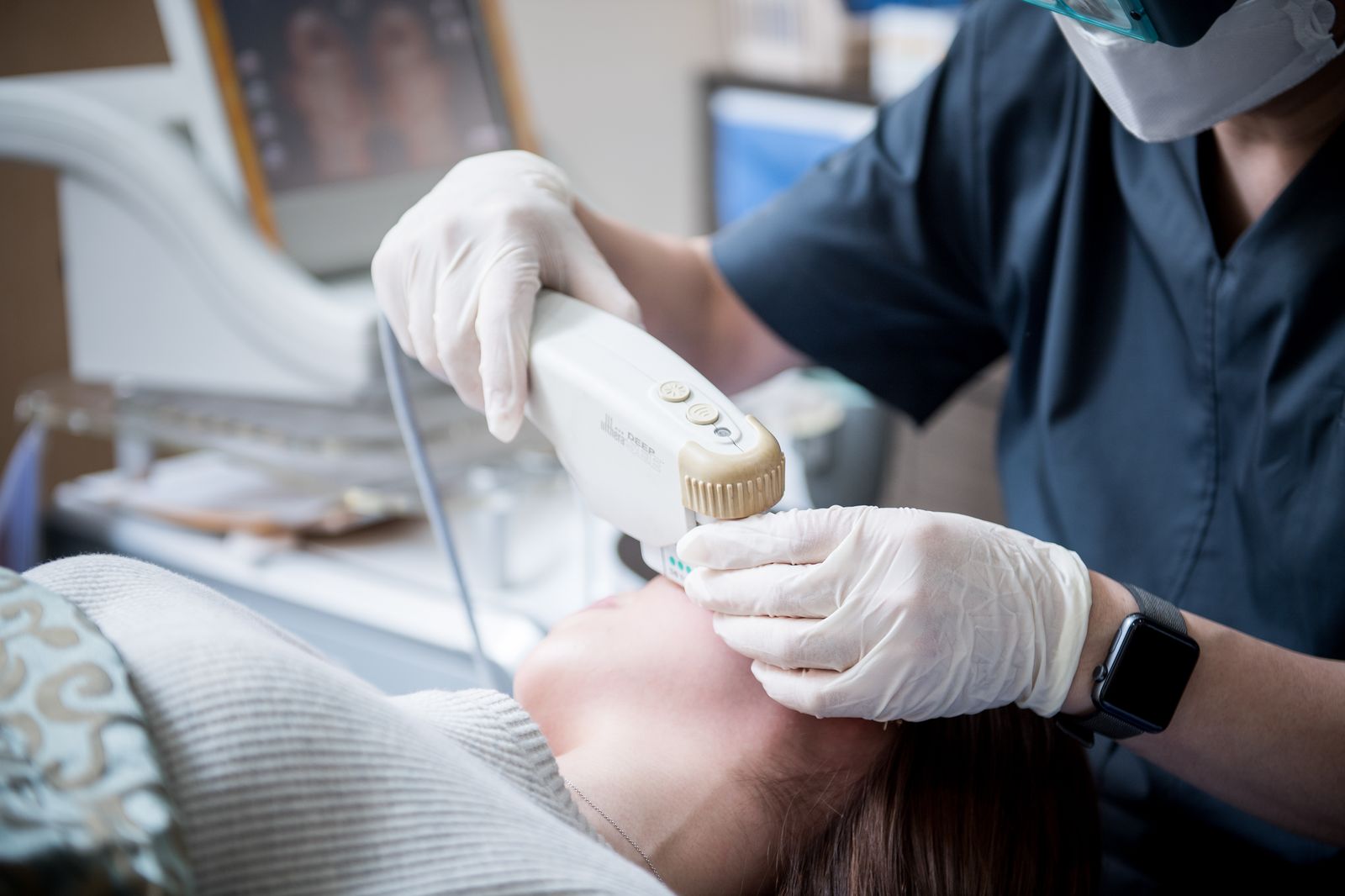
Ultherapy uses micro-focused ultrasound with visualization (MFU-V) to deliver precise thermal energy at three distinct tissue depths: 1.5mm, 3mm, and 4.5mm. This multi-depth approach stimulates neo-collagenesis without disrupting the skin surface, which is why there is effectively zero downtime. Clinical research published through PubMed/NCBI confirms that micro-focused ultrasound produces measurable lifting outcomes in the brow, submental, and lower facial regions, with patient satisfaction rates consistently cited above 70% in peer-reviewed studies. Seoul clinics performing high volumes of this procedure frequently use real-time ultrasound imaging during treatment to verify depth accuracy — a standard that reflects the technical rigor expected at leading Korean aesthetic facilities.

Treatment Areas Commonly Requested by Patients

The most popular Ultherapy treatment zones requested at Seoul clinics include the full face and neck (combined package), the brow line, the submental (under-chin) area, and the décolletage. Full-face and neck packages are the most comprehensive option and correspondingly sit at the higher end of the pricing range. Brow-only or jawline-specific treatments are available as more targeted, lower-cost alternatives for patients with localized concerns. Many clinics in Gangnam offer customized line-count packages, allowing providers to adjust treatment intensity based on individual skin laxity assessment.

Ultherapy Costs in Seoul: What International Patients Pay

Pricing for Ultherapy in Seoul varies depending on the clinic tier, treatment area, and total number of ultrasound lines delivered. Entry-level packages targeting a single small area begin around 500,000 KRW (USD 370). Mid-range full-face treatments typically fall between 800,000 and 1,500,000 KRW (USD 600 to 1,130). Premium full-face-plus-neck packages at top-tier Gangnam clinics can reach 2,000,000 to 2,500,000 KRW (USD 1,500 to 1,900). These prices represent significant savings compared to equivalent treatments in the United States, United Kingdom, and Australia, where full-face Ultherapy routinely costs USD 3,000 to 5,000. For patients exploring multiple treatment options, our Thermage Seoul guide provides a comparable breakdown of radiofrequency-based skin tightening costs and how they differ from ultrasound-based approaches.

Factors That Influence Final Cost

Several variables affect final pricing beyond the base package rate. Clinics in the Apgujeong and Cheongdam luxury corridor typically charge a premium for their brand positioning and service environment. The treating physician’s seniority — whether a senior dermatologist or a resident — also affects pricing. Additionally, some clinics bundle Ultherapy with complementary procedures such as injectables or laser treatments at a combined package discount, which can increase overall value for patients planning multiple treatments during a single Seoul visit. Foreign patients seeking English-speaking clinics will find detailed provider comparisons at English Dermatologist Seoul, which profiles clinics with dedicated international patient coordinators.

Choosing a Clinic for Ultherapy in Seoul

When selecting a clinic, patients should verify that the facility uses authentic Ultherapy devices by Merz Aesthetics rather than unbranded ultrasound equipment marketed under similar names. Genuine Ultherapy devices display the proprietary DeepSEE real-time imaging visualization. Reputable Seoul clinics will confirm device authenticity on request and provide before-and-after documentation from previous patients. The Korea Health Industry Development Institute publishes data on licensed aesthetic medical facilities, which can serve as a verification reference when researching clinic credentials. Patients planning their first visit to a Korean skin clinic will also benefit from the guidance available at Skin Clinic Seoul for Foreigners, which covers clinic selection criteria specific to international visitors.

English Language Support and Consultation Process

Most Ultherapy-focused clinics in Gangnam offer English-language consultations either directly with the treating dermatologist or through a bilingual patient coordinator. During the consultation, the physician typically conducts a visual and tactile skin laxity assessment, photographs the treatment zones, and discusses realistic outcome expectations. Patients with very significant skin laxity may be advised that surgical intervention would produce more dramatic results than ultrasound-based lifting — an honest clinical conversation that reflects the ethical standards expected from reputable Korean practitioners. For a broader overview of English-accessible dermatology options across Seoul, the resource at Dermatologist in Seoul offers clinic profiles across multiple districts. Additional context on navigating the Korean clinic system as a foreign patient is available through our comprehensive guide to Korean clinic reviews.

What International Patients Should Know

  • Schedule a pre-treatment consultation at least one day before your procedure. This allows the physician to properly assess your skin and set appropriate expectations without rushing directly into treatment.
  • Avoid NSAIDs and blood thinners for several days prior if medically permitted. This reduces the risk of mild bruising, which is already uncommon with Ultherapy but worth minimizing.
  • Arrange your treatment session early in your trip. While there is no visible downtime, mild redness or tingling can occur for a few hours post-procedure, so scheduling on day one or two of your stay allows full enjoyment of the remainder of your visit.
  • Request a written treatment summary from the clinic. This documents the device used, lines delivered, and treatment parameters — useful information if you undergo a follow-up session at home or in another clinic.
  • Confirm the treating practitioner’s credentials before booking. In South Korea, only licensed medical doctors (MDs) are permitted to operate Class III medical devices including Ultherapy systems under national healthcare regulations.

Frequently Asked Questions

How much does Ultherapy cost in Seoul?

Prices range from approximately 500,000 KRW (USD 370) for small targeted areas to 2,500,000 KRW (USD 1,900) for comprehensive full-face and neck treatments at premium Gangnam clinics. Mid-range full-face packages typically fall between 800,000 and 1,500,000 KRW (USD 600 to 1,130), representing significant savings compared to equivalent pricing in Western countries. seoul dermatology appointment booking guide 2026 information.

Is there any downtime after Ultherapy in Seoul?

Ultherapy requires no clinical downtime. Most patients experience mild redness, slight swelling, or temporary tingling that resolves within a few hours. You can return to normal activities, including sightseeing and travel, on the same day as your treatment.

Can foreigners get Ultherapy in Seoul?

Yes, international patients are routinely treated at Seoul’s Ultherapy clinics. Many Gangnam-area clinics actively cater to medical tourists with English-speaking coordinators, multilingual consultation materials, and streamlined booking systems designed for visitors with limited time in the city.

How many Ultherapy sessions are typically needed?

Most patients achieve their desired lifting results with a single treatment session. Some individuals with more pronounced laxity or those seeking enhanced results may opt for a second session after 6 to 12 months, once the initial collagen remodeling cycle has completed. Your dermatologist will recommend a tailored plan during consultation.

How long do Ultherapy results last?

Results from a single Ultherapy session typically last 12 to 18 months, with some patients reporting sustained improvement for up to 24 months. Longevity depends on individual skin aging rate, sun exposure habits, and overall skin health maintenance. Periodic maintenance sessions can extend the results. Related guide: gangnam dermatology english speaking guide details.

What are the risks or side effects of Ultherapy?

Ultherapy is considered a low-risk procedure when performed by a trained physician using a calibrated device. Common transient effects include mild redness, temporary swelling, and sensitivity along treated areas. Rare adverse events such as nerve irritation or surface irregularities are associated with incorrect depth settings or improper technique, underscoring the importance of choosing an experienced, credentialed provider.

Are there English-speaking clinics for Ultherapy in Seoul?

Yes. Multiple clinics in Gangnam, Apgujeong, and Myeongdong offer English-language Ultherapy consultations. Some clinics staff full-time English-speaking coordinators, while others use bilingual physicians directly. It is advisable to confirm language support when booking your consultation.

Does insurance cover Ultherapy in Korea?

Ultherapy is classified as an elective cosmetic procedure and is not covered by South Korea’s National Health Insurance Service (NHIS). International private health insurance policies generally do not cover aesthetic procedures either. Patients should budget for the full out-of-pocket cost and request an itemized invoice for personal records.

How do I book Ultherapy in Seoul?

Most clinics accept direct online booking through their official websites, email inquiry, or via medical tourism platforms. Many Gangnam clinics respond to English-language inquiries within 24 to 48 hours. It is recommended to book your consultation appointment before arriving in Korea to ensure your preferred clinic has availability during your stay.

Do I need a medical visa for Ultherapy in Seoul?

Ultherapy is a non-invasive outpatient procedure, and most nationalities do not require a special medical visa for this treatment. Visitors from many countries can enter South Korea under standard tourist or visa-waiver entry conditions. If you are combining multiple procedures or an extended stay, consulting your nearest Korean consulate about visa requirements is advisable. See also learn about sculptra korea: complete guide for international patients.

What is the best district in Seoul for Ultherapy?

Gangnam, particularly the Apgujeong and Cheongdam sub-districts, is considered the premium destination for Ultherapy in Seoul due to the high concentration of experienced dermatologists and state-of-the-art clinic facilities. Sinchon and Hongdae also have reputable mid-range options that are well-suited for budget-conscious patients or those staying in northern Seoul. learn about best hyperpigmentation specialists in korea guide.

How long should I stay in Korea for Ultherapy?

Ultherapy is completed in a single session of 60 to 90 minutes with no recovery downtime, so technically a one-day clinic visit is sufficient for the procedure itself. Most patients plan a stay of at least 3 to 5 days to allow time for pre-consultation, treatment, initial observation, and general travel enjoyment. Patients combining Ultherapy with other aesthetic treatments typically stay 5 to 7 days.

What aftercare is recommended after Ultherapy?

Post-treatment care is straightforward. Avoid prolonged direct sun exposure for at least one week and apply SPF 30 or higher sunscreen daily. Skip intense heat sources such as saunas and steam rooms for 48 hours following treatment. Gentle moisturizing and regular hydration support optimal collagen regeneration during the weeks following your session.

Is Ultherapy in Seoul better than getting it done in the US or UK?

The clinical technology — authentic Merz Ultherapy devices — is identical worldwide. The primary advantages of Seoul are cost (significantly lower), the availability of highly experienced high-volume practitioners, and the quality of clinic infrastructure. International patients frequently report comparable or superior experiences in Seoul at a fraction of the home-country price, making it a compelling destination for this treatment.

How does Ultherapy compare to Thermage in Seoul?

Ultherapy uses micro-focused ultrasound to reach deeper tissue layers including the SMAS, making it particularly effective for structural lifting. Thermage uses radiofrequency to heat the dermis and is generally preferred for surface skin texture and tightening. Many Seoul dermatologists offer combination protocols using both modalities for patients seeking comprehensive rejuvenation outcomes. Discussing your specific skin concerns with a clinician will determine which approach — or combination — is most suitable. See also experts.

Related Articles

Editorial Standards: For our methodology and review process, see our Medical Review Policy. For information about how we evaluate Korean clinics, see our Clinic Selection Criteria. For our process for reviewing individual clinics, see How We Review Clinics.
Important Notice: The content on this page is intended for general educational use. Personal medical decisions should be made only after consultation with a licensed physician. Outcomes and suitability differ by individual.
About the Authors: The editorial team at Seoul Dermatology Center produces patient-focused guides for international medical travelers, combining direct clinic research with official Korean health resources.

Leave a Comment